
- SpaceX launched its reentry capsule demo mission called ‘Starfall’ today, marking a significant step in its plans for cargo delivery from space.
- The Starfall mission aims to enable cargo delivery from space, including materials manufactured in low Earth orbit.
- According to an assessment by the US Federal Aviation Administration (FAA), the project is intended for the transport and delivery of goods through space.
- SpaceX stated that the mission will allow for routine access to the microgravity environment for scientific research and in-space manufacturing.
- The Starfall vehicle is designed for cargo only, featuring a windowless, black, stumpy cylinder measuring around 3 metres across and less than 1 metre tall, with a capacity for a 1-tonne payload.
- The Falcon 9 rocket successfully launched from Florida's Cape Canaveral just before 7 a.m. ET and the booster landed on a floating platform in the Atlantic Ocean.
- SpaceX confirmed the deployment of the Starfall capsule just after 10 a.m. ET.
- The Starfall project could fill a gap for smaller deliveries in space logistics.
- The FAA indicated that Starfall could serve two roles: providing access to microgravity for space manufacturing and enabling point-to-point delivery of critical cargo through space.
- The Starfall capsules can be launched on either a Falcon 9 rocket or a Starship-Super Heavy flight.
- The Starfall capsules are approximately 2.5 feet tall and 10 feet across, capable of carrying 2,200 lbs of payload.
SpaceX's Starfall mission successfully launched on a Falcon 9 rocket, aiming to revolutionize cargo delivery from space. The capsule, designed for 1-tonne payloads, will facilitate routine access to microgravity for scientific research and in-space manufacturing.12456789101112
Launched from Florida's Cape Canaveral at 6:53 a.m. EDT, the Starfall capsule is a cylindrical vehicle measuring 2.5 feet tall and 10 feet across. It can carry up to 2,200 lbs of payload, as detailed in FAA filings. SpaceX envisions Starfall as a means to provide point-to-point delivery of critical cargo through space on rapid timelines, potentially serving military needs.
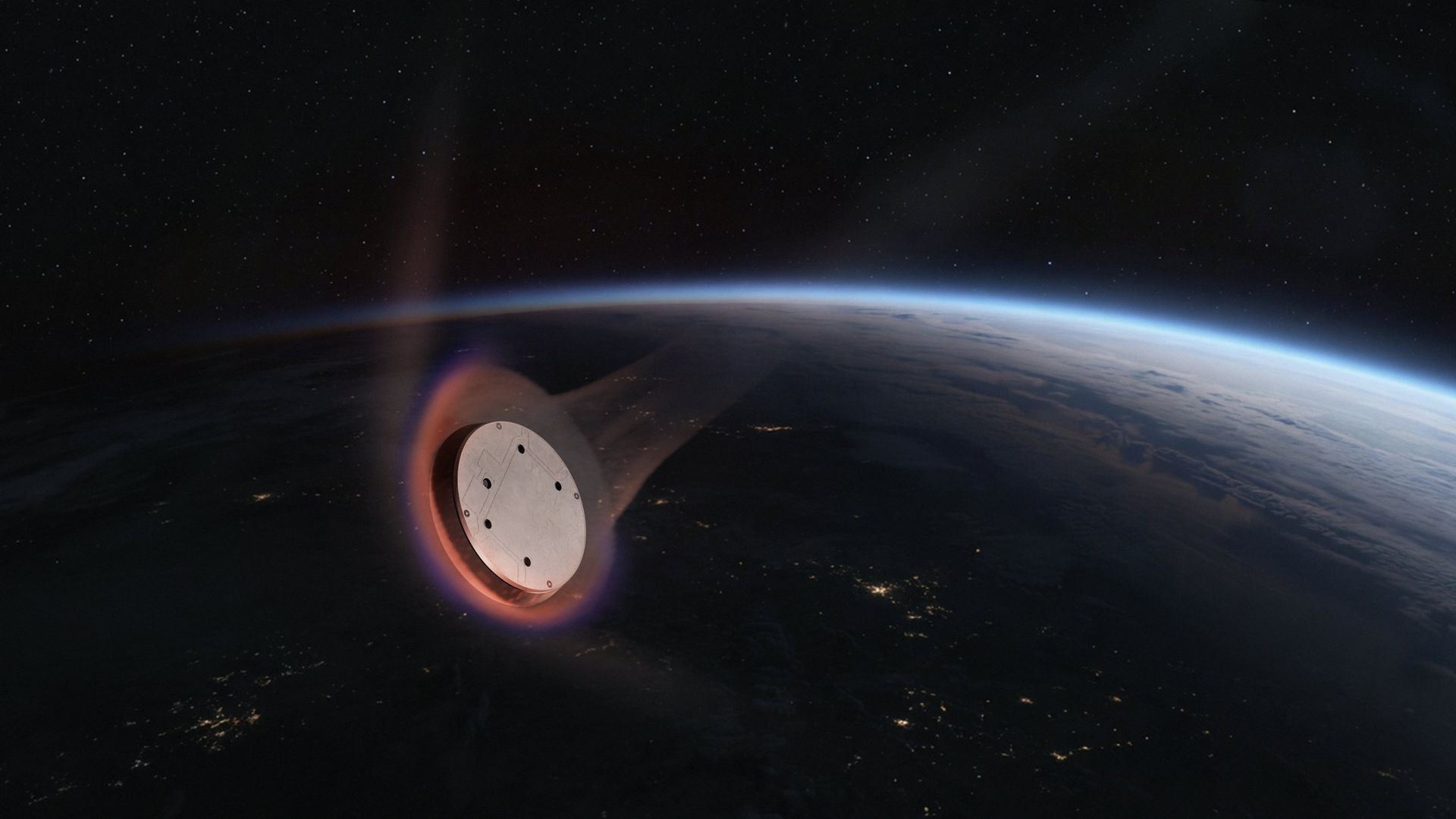
“Today's mission includes a demo of a new vehicle that will enable affordable, routine access to the microgravity environment for scientific research and in-space manufacturing,” SpaceX stated. The mission aims to create a self-sustaining commercial in-space manufacturing market by offering access to microgravity and vacuum as a service at scale.
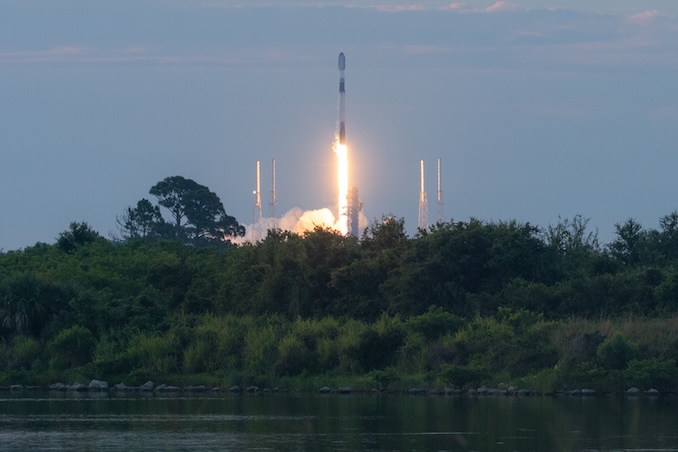
The FAA's environmental assessment noted that the capsules will be recovered in the Pacific Ocean, similar to the Dragon spacecraft. If successful, Starfall could fill a crucial gap for smaller deliveries in the burgeoning space economy.
“After demonstrating controlled flight, the spacecraft will splash down in the Pacific Ocean,” SpaceX confirmed.
“SpaceX has successfully launched its Starfall capsule on a test flight aimed at enabling cargo delivery from space. The mission is part of SpaceX's broader goal to provide routine access to microgravity for scientific research and in-space manufacturing.”
 New Scientist