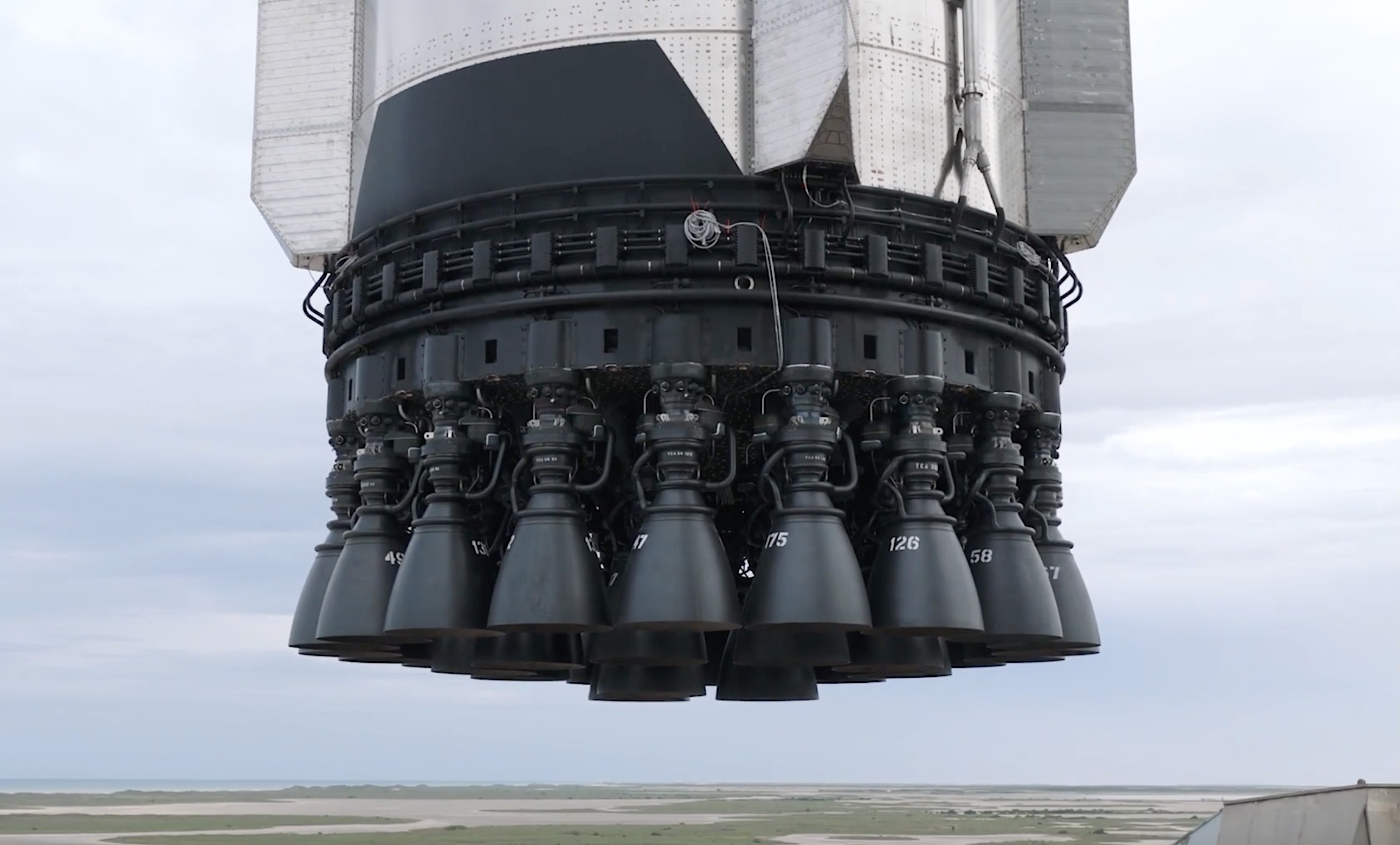
- SpaceX announced it is preparing for Starship's 13th test flight, which could take off as soon as Thursday during a launch window that opens at 5:45 pm CDT (22:45 UTC).
- This flight will include 20 Starlink V3 satellites installed in Starship's cargo bay, marking a significant change from previous tests.
- The Starlink satellites will attempt to establish laser communication links with other spacecraft in low-Earth orbit, although they will not be part of SpaceX's operational network.
- The flight will last a little over an hour, targeting a controlled splashdown northwest of Australia, while the Starlink satellites will burn up during reentry.
- SpaceX will also use this flight to continue experimenting with Starship's heat shield, a critical component for reusability.
SpaceX's Starship is gearing up for its 13th test flight, scheduled for Thursday at 5:45 pm CDT. This mission will include 20 Starlink V3 satellites, marking a significant change from previous flights.12
Engineers aim to establish laser communication links between the satellites and other spacecraft in low-Earth orbit, although these satellites will not be part of SpaceX's operational network.
The flight will follow a suborbital trajectory, lasting just over an hour, with a controlled splashdown targeted northwest of Australia.
SpaceX is not attempting an orbital flight this time due to the previous mission's failure to ignite one of its Raptor engines in space. The company has made several hardware modifications to improve reliability, including updates to the Super Heavy booster and its engines.
Additionally, this flight will test modified heat shield tiles and attachment mechanisms, gathering data on their performance under higher dynamic pressure during ascent. SpaceX aims to enhance payload capacity while ensuring the heat shield's integrity.
The mission represents a critical step in SpaceX's ongoing efforts to refine Starship technology and prepare for future orbital flights.
“The flight will carry 20 Starlink V3 satellites to test laser communication links and heat shield cameras. SpaceX has also implemented hardware modifications to improve engine relight reliability and heat shield attachments after issues on the previous flight.”
 Ars Technica



