- A stray piece of a SpaceX Falcon 9 rocket is thought to have crashed into the Moon; the remnant is about the size of a five-storey building and has a mass of at least 4,000kg.
- The crash was due around 07:35 BST, expected to be confirmed by specialist telescopes, with the object heading near the Einstein crater; it was unlikely to be visible to the naked eye.
- The impact happened in broad daylight, and the tiny flash would have been far too faint to see even through a telescope; spacecraft orbiting the Moon were not positioned to witness it live, so scientists will compare before-and-after images to spot the new scar.
- The "big pay off" was expected in about a week, when a lunar orbital satellite passes the crash site and scientists can create before-and-after pictures of the crater.
- The debris came from a Falcon 9 launch carrying two lunar landers; its spent upper stage was left drifting, and its path was gradually altered over 18 months.
- The Moon now has roughly 3,000 human-made objects weighing around 190 tonnes, accumulated since September 1959.
- Astronomer Matt Bothwell warned that space debris could make it hard to get past Earth's orbit within a few decades, while Nasa and SpaceX raised concerns about collision risk to future missions.
A four-tonne piece of SpaceX's Falcon 9 rocket is believed to have crashed into the Moon on Wednesday, traveling at 5,400 miles per hour. This unintentional collision is expected to create a crater approximately 60 feet (18 meters) wide and 12 feet (4 meters) deep.1011121516
The rocket stage, which had been floating in space since its launch in January 2025, was left on a trajectory towards the Moon due to gravitational forces and solar activity. NASA confirmed that the impact poses no danger to Earth, with spokesperson Jimi Russell stating, "there is no danger to Earth". The agency plans to collect data from the event to enhance understanding of artificial impacts and their implications for future exploration.
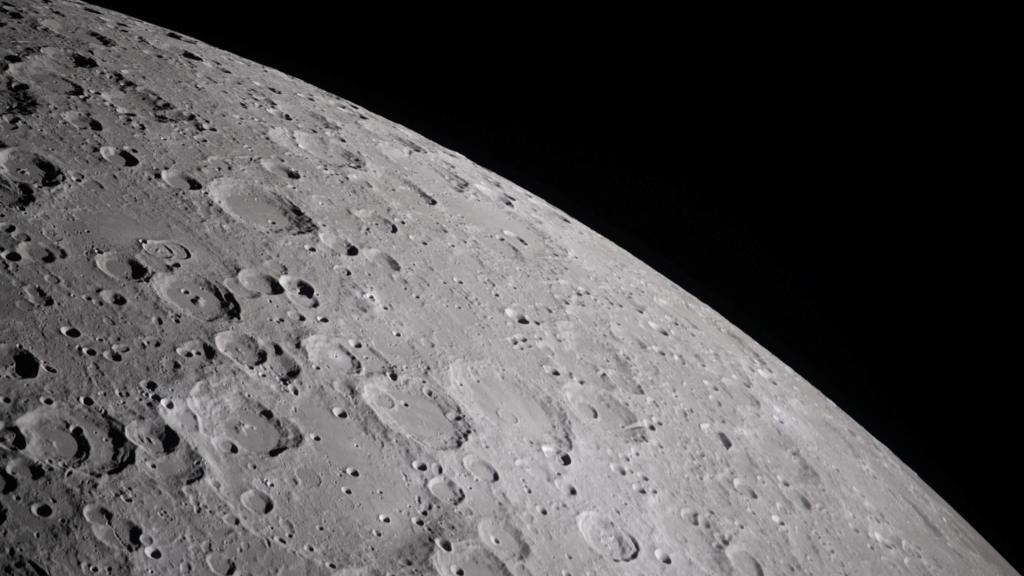
Astronomers, both professional and amateur, were unable to confirm the impact immediately, likely due to its location near the Moon's visible edge. Bill Gray, an astronomy software creator, noted that while the event may hold minor scientific interest, it highlights the issue of space debris management. He stated, "It doesn’t present any danger to anyone, though it does highlight a certain carelessness about how leftover space hardware is disposed of."
The Moon now hosts approximately 3,000 human-made objects, weighing around 190 tonnes combined, raising concerns about collision risks as lunar missions increase in the coming decade. Dr. Matt Bothwell from the University of Cambridge indicated that a lunar satellite will pass the crash site in about a week, allowing scientists to capture before-and-after images of the new crater.1314
“The discarded Falcon 9 upper stage, at least 4,000kg and the size of a five-storey building, is thought to have left a crater a lunar satellite will image in about a week. The Moon holds roughly 3,000 human-made objects totaling about 190 tonnes, and NASA and SpaceX warn of collision risks as lunar traffic rises.”
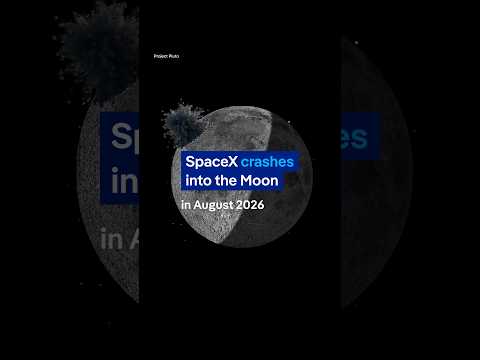

 The Guardian



