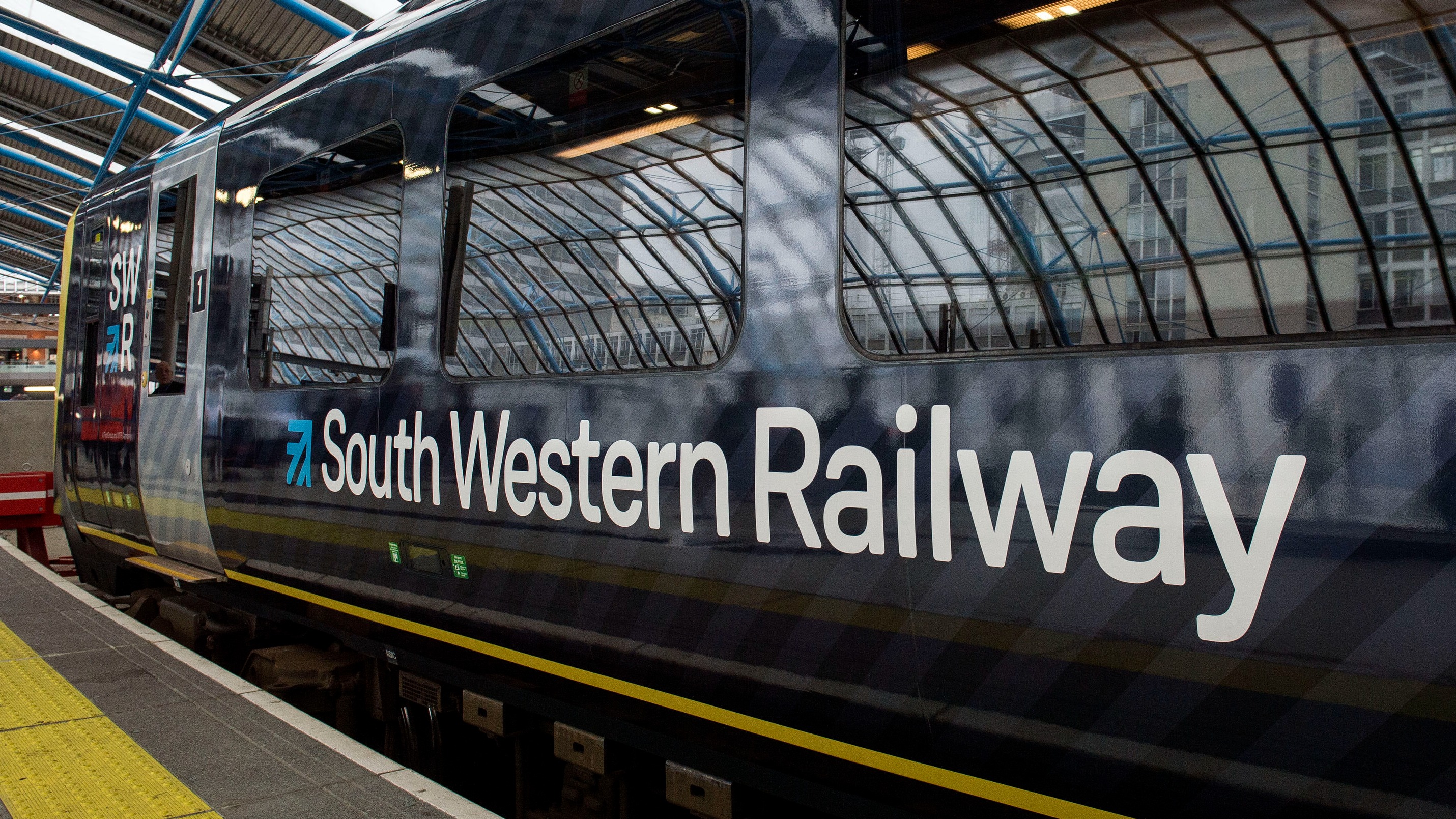
- South Western Railway (SWR) has launched a crackdown on fare dodgers who deliberately buy a ticket for only part of their journey, known as short-faring.
- SWR said fare evasion had cost about £40 million a year but had fallen 67% since 2017.
- SWR estimated that up to 95% of barcode tickets bought for the four-minute Vauxhall–London Waterloo journey were being used fraudulently, putting £1 million of revenue at risk.
- In June, SWR launched a targeted enforcement operation at Waterloo, deploying more revenue protection staff at Vauxhall to ensure electronic tickets were scanned.
- Since June, the trial has identified 153 short-faring offences, compared with seven in the same period last year.
- About a third of previously identified short-faring passengers are now buying the correct ticket for their journey.
- Purchases of barcode tickets from another London station rose 89% after checks increased, suggesting some offenders moved the scam elsewhere.
- Matthew Winnie, SWR and Network Rail Wessex chief customer and commercial officer, stated that the overwhelming majority of customers pay the correct fare, but there is growing evidence of some people deliberately exploiting the system.
- The Rail Delivery Group estimates that at least £350 million to £400 million of annual fares revenue is lost to fraud and ticketless travel each year.
- Despite the crackdown, SWR estimates that around 6.5 million journeys are still made each year without a valid ticket, costing the company almost £40 million in lost revenue.
South Western Railway (SWR) has launched a crackdown on 'short-faring', a ticket scam where passengers buy cheaper tickets for only part of their journey. The operator found that up to 95% of barcode tickets for the short journey between Vauxhall and London Waterloo were being misused, risking £1 million in revenue.13
SWR's enforcement strategy, initiated in June, has already identified 153 short-faring offences in just four weeks, a stark increase from seven during the same period last year. The trial aims to combat the growing trend of fare evasion, which costs the company approximately £40 million annually.2510
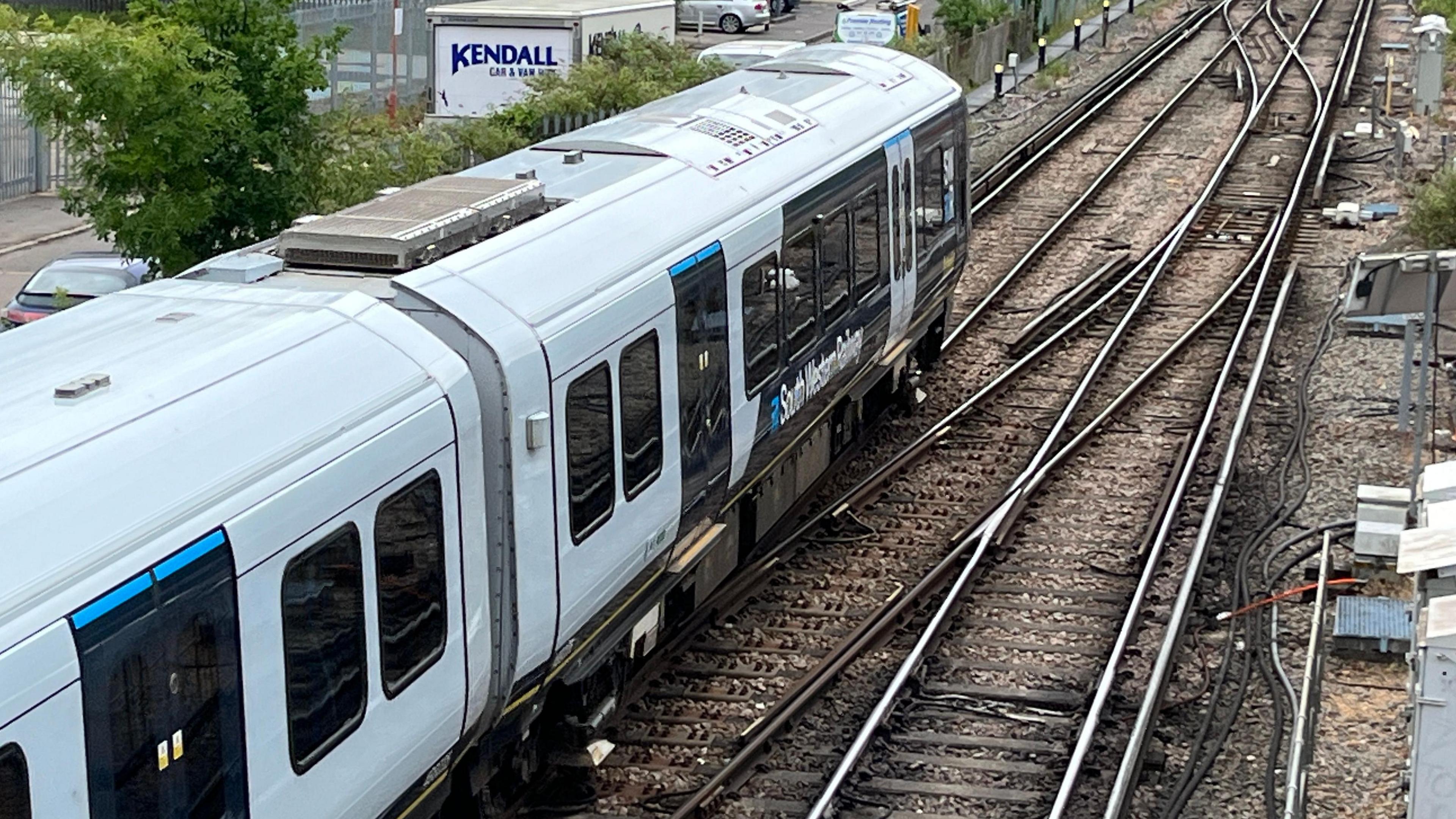
Matthew Winnie, SWR and Network Rail Wessex chief customer and commercial officer, stated, “The overwhelming majority of our customers pay the correct fare. However, there’s growing evidence of some people deliberately exploiting the system – a criminal offence that deprives the railway of hundreds of millions of pounds each year.”8

The Rail Delivery Group estimates that £350 million to £400 million in annual fares revenue is lost to fraud and ticketless travel. SWR has reported a 67% reduction in fare evasion since 2017, but still estimates that around 6.5 million journeys are made each year without a valid ticket.9
Recent cases include a passenger who evaded £20,000 over three years while travelling between Surrey and London, and another who owed more than £11,000 after travelling from Hampshire to the capital for over four years. The crackdown has also led to a 45,000 revenue protection in the first month alone, indicating a shift in passenger behavior towards compliance.
“SWR says up to 95% of barcode tickets bought for the four-minute Vauxhall–London Waterloo journey are being used fraudulently, with its June trial identifying 153 short-faring offences versus seven a year earlier. Caught passengers face a £100 penalty fare (halved if paid within 21 days) plus a single ticket, and repeat offenders can be prosecuted.”




