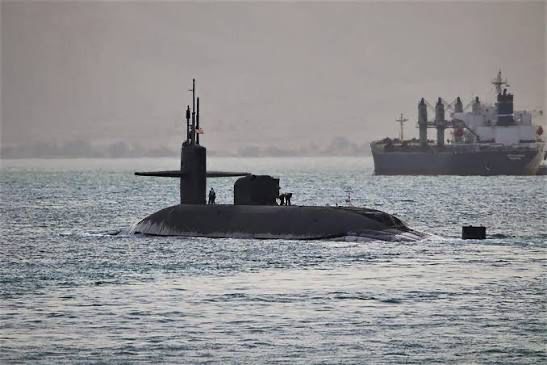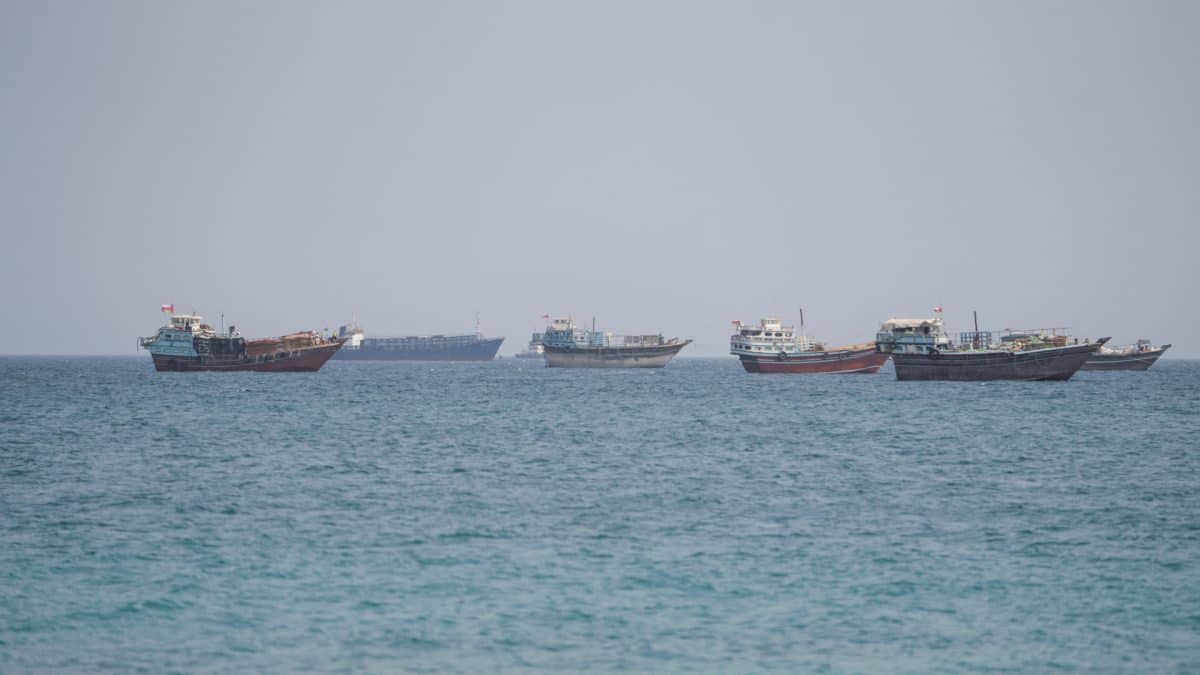
- South Korea has sent a fact-finding team to assess the situation in the Strait of Hormuz, while emphasizing that no decision has been made regarding troop deployment.
- The fact-finding team departed for the United Arab Emirates over the weekend to evaluate operational conditions for a potential deployment.
- Iran's foreign ministry has warned of 'serious consequences' if South Korea participates in US military actions in the region.
- In mid-August, Trump revealed he had asked South Korean President Lee Jae Myung for 'a little hand' in the war on Iran.
- On August 16, Trump announced a significant scale-back of joint military drills with South Korea, reducing the Ulchi Freedom Shield exercises from over 11 days to five.
- A working-level NSC meeting is expected to discuss deployment prospects, with officials reconvening next Tuesday to consider parliamentary approval for any deployment.
South Korea's recent deployment of a fact-finding team to the Strait of Hormuz comes amid increasing U.S. pressure for military support in the region. The team, which left for the UAE over the weekend, is tasked with assessing operational conditions for a potential troop deployment, although no decision has been made yet.12
The South Korean defense ministry emphasized that the mission does not presuppose an actual deployment, stating, "No decision has been made regarding the deployment of troops." This cautious approach reflects the country's reliance on the Gulf for 60 to 70 percent of its crude imports, which has been impacted by the ongoing conflict in the region.

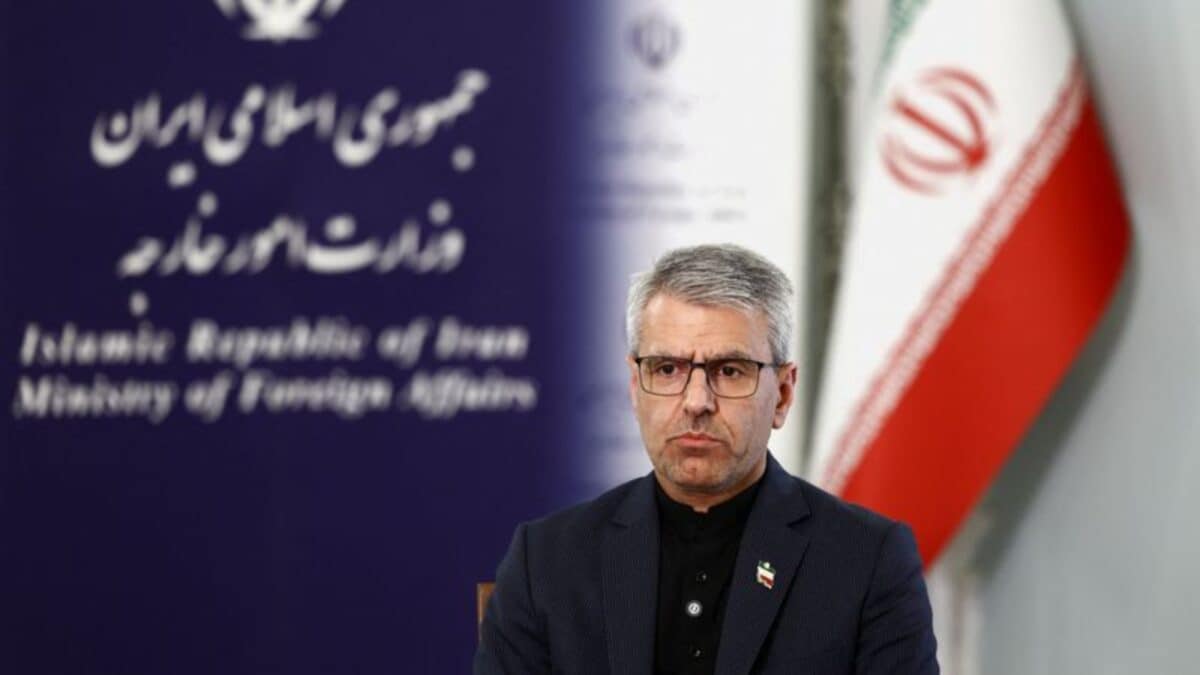
Iran has responded strongly to South Korea's considerations, with foreign ministry spokesperson Esmaeil Baqaei warning that any military involvement would lead to "serious consequences" for Seoul. He stated, "Any military deployment or participation in operations by other countries in the Persian Gulf or the Strait of Hormuz can only be regarded as direct support for the party responsible for that aggression." This warning underscores the delicate balance South Korea must maintain between its alliance with the U.S. and its diplomatic relations with Iran.
The South Korean government is also facing internal pressures, as public sentiment largely opposes military involvement in the U.S.-Iran conflict. President Lee Jae Myung acknowledged the difficulty of the decision, stating, "Sending troops [overseas] is a really difficult matter [to discuss]." The government plans to weigh the potential scale of deployment in upcoming National Security Council meetings, with parliamentary approval required for any military action.46
As the situation evolves, South Korea's strategic interests in the Strait of Hormuz remain a focal point, with potential implications for its diplomatic relations and economic stability.
“The team is assessing operational conditions for a potential deployment and is expected to return as early as this week, according to Yonhap. Iran's foreign ministry spokesman Esmaeil Baghaei warned that any military presence would be seen as 'direct support for the aggressor,' while Seoul relies on the strait for 60-70% of its crude imports.”
 Firstpost