- South Korea is considering contributions to US security efforts in the Strait of Hormuz, but no decision has been made regarding troop deployment.
- Iran's foreign ministry spokesperson warned that any South Korean military participation would have 'serious consequences'.
- South Korea dispatched a fact-finding team to the UAE to assess security conditions, with the mission not presupposing deployment.
- On Sept 8, South Korea's defence ministry confirmed the dispatch of the fact-finding team, emphasizing that the mission does not presuppose deployment.
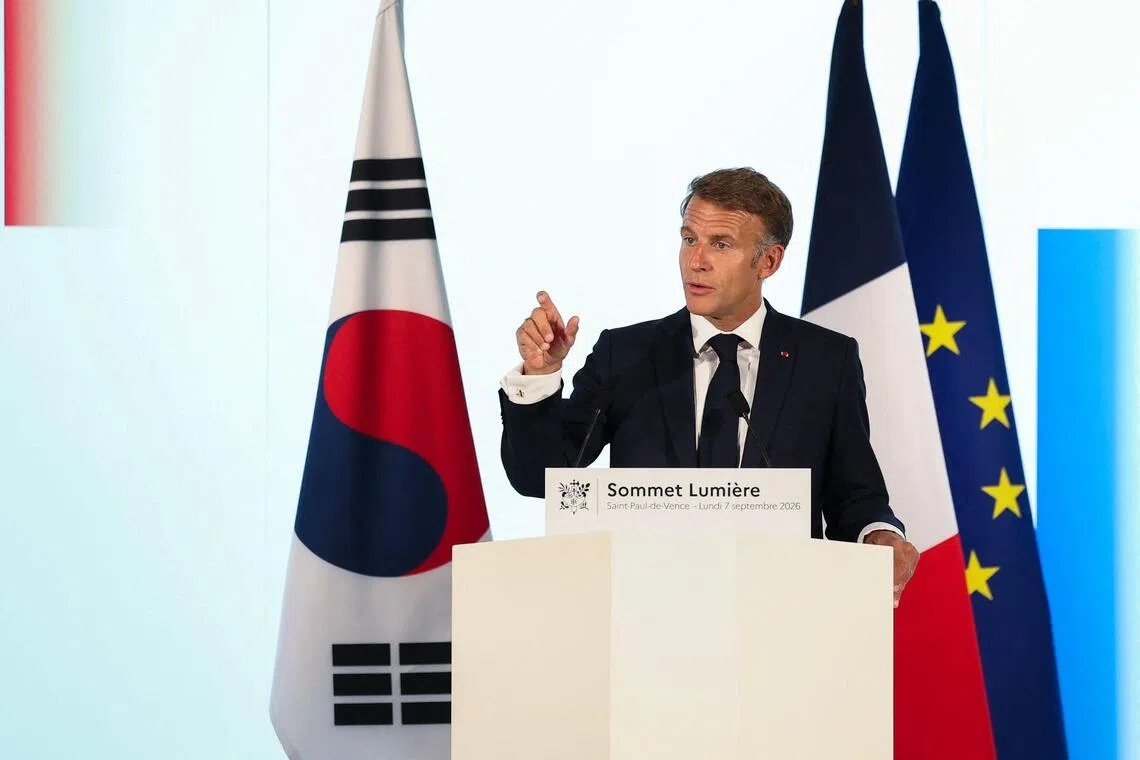
- During a summit on Sept 8, President Lee Jae Myung and French President Emmanuel Macron discussed security cooperation in Hormuz, but not troop deployment.
- National Security Adviser Wi Sung-lac stated that discussions focused on contribution options rather than deployment, reiterating that 'no decision has been made'.
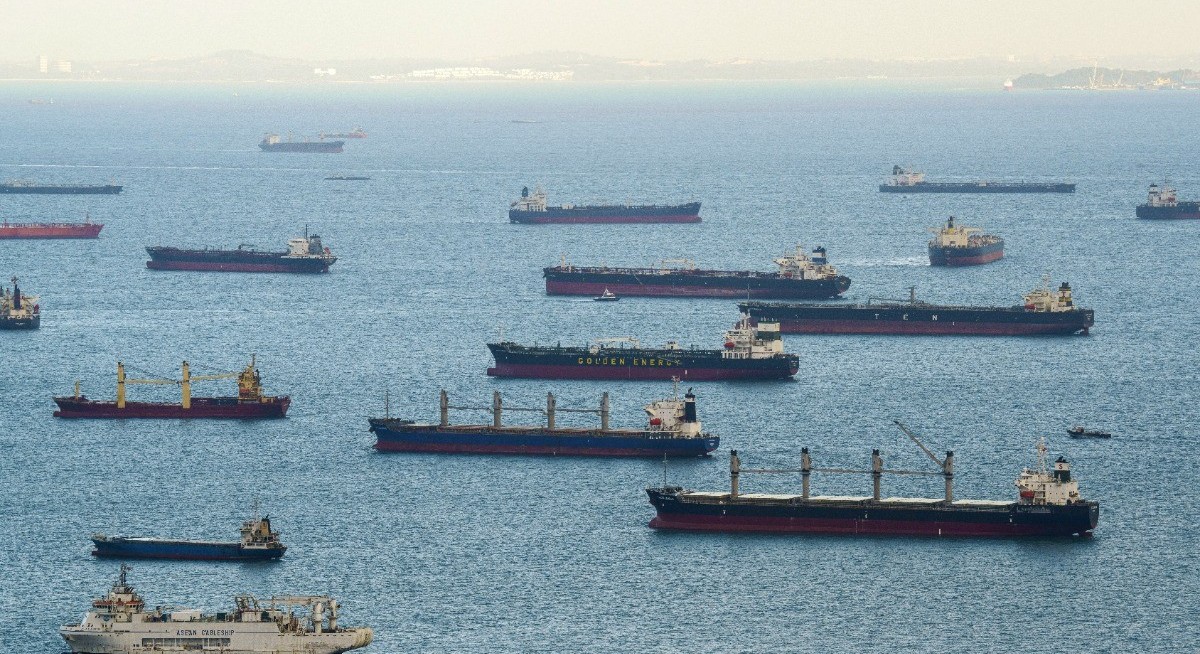
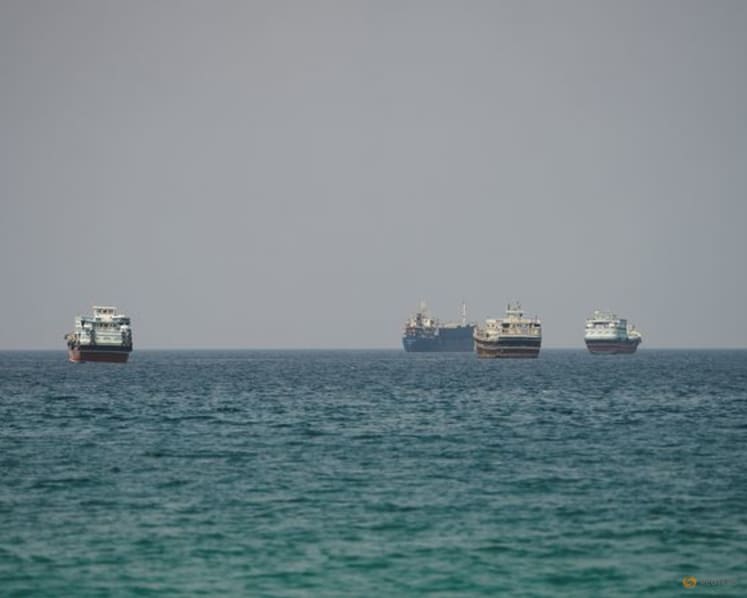
- The US-Iran war began on Feb 28, disrupting global energy markets and paralyzing traffic through the Strait of Hormuz.
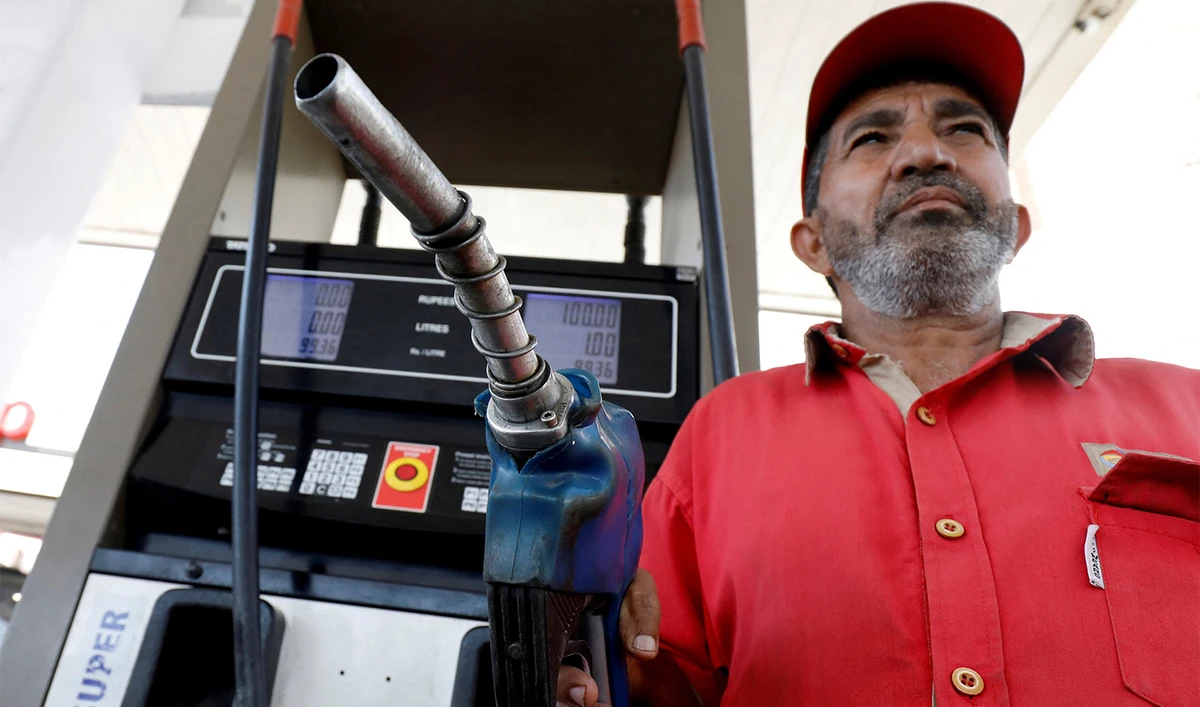
- The Strait of Hormuz is a critical energy transit route for South Korea, which relied on it for 61% of its crude oil imports and 54% of its naphtha imports in 2025.
South Korea's defense ministry confirmed on September 8 that it has sent a fact-finding team to the Strait of Hormuz to evaluate the security situation, emphasizing that no decision has been made regarding troop deployment. The team, which departed for the United Arab Emirates over the weekend, is tasked with assessing operational conditions for a potential military contribution.138
"The team was sent to examine the regional situation and security conditions, and its mission does not presuppose an actual deployment," the ministry stated. The team is expected to return to South Korea as early as this week.
Tensions have escalated in the region, with Iran warning that any South Korean military involvement would have 'serious consequences'. Iran's foreign ministry spokesperson, Esmaeil Baqaei, stated, "Any military deployment or participation in operations by other countries in the Persian Gulf or the Strait of Hormuz can only be regarded as direct support for the party responsible for that aggression".2
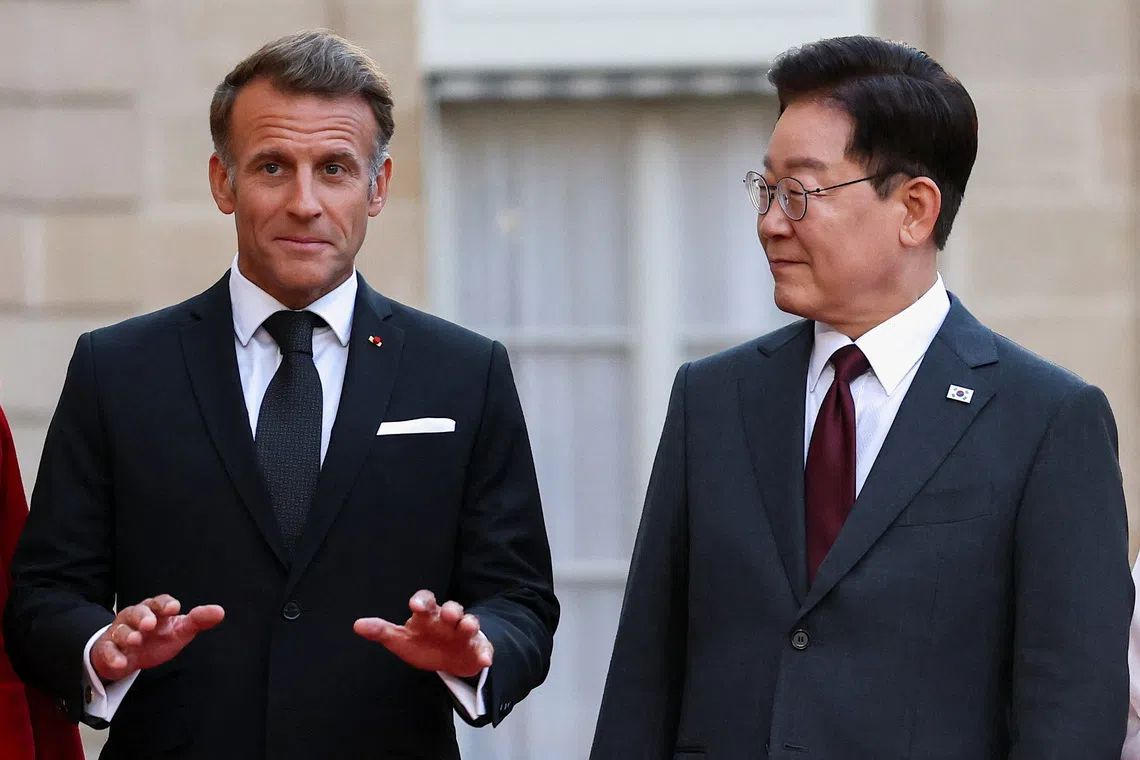
The Strait of Hormuz is crucial for global energy supplies, with approximately 61% of South Korea's crude oil imports and 54% of its naphtha imports passing through this vital waterway. South Korean President Lee Jae Myung and French President Emmanuel Macron recently discussed maritime security in the strait, but no troop deployment was addressed during their talks.5
Despite US pressure for South Korea to assist in the Middle East conflict, Seoul has denied any specific deployment deadlines set by Washington. National Security Adviser Wi Sung-lac reiterated that discussions are still in the review stage, with no final decisions made regarding military contributions.6
“The Strait of Hormuz carries about a fifth of global oil and LNG exports, and South Korea relied on it for 61% of its crude oil imports in 2025. Iran's foreign ministry spokesperson warned that any military participation would be seen as support for US 'aggression'.”