- South Korea's heatwave began in mid-May, leading to about 2,220 people diagnosed with heat-related illnesses and 19 deaths reported as of last week.
- On Sunday, temperatures in Yangsan soared to 42.5°C, marking the highest temperature recorded since weather observations began in Korea in 1904.
- President Lee Jae Myung declared the heatwave a 'national disaster' and ordered all-out efforts to protect lives as heat-related deaths rose to 21 as of Thursday.
- North Gyeongsang Province has deployed drones to warn elderly farmers to take breaks and work shorter hours to mitigate heat-related risks.
- As of Thursday, heat-related deaths have risen to 21, highlighting the severe impact of the ongoing heatwave.
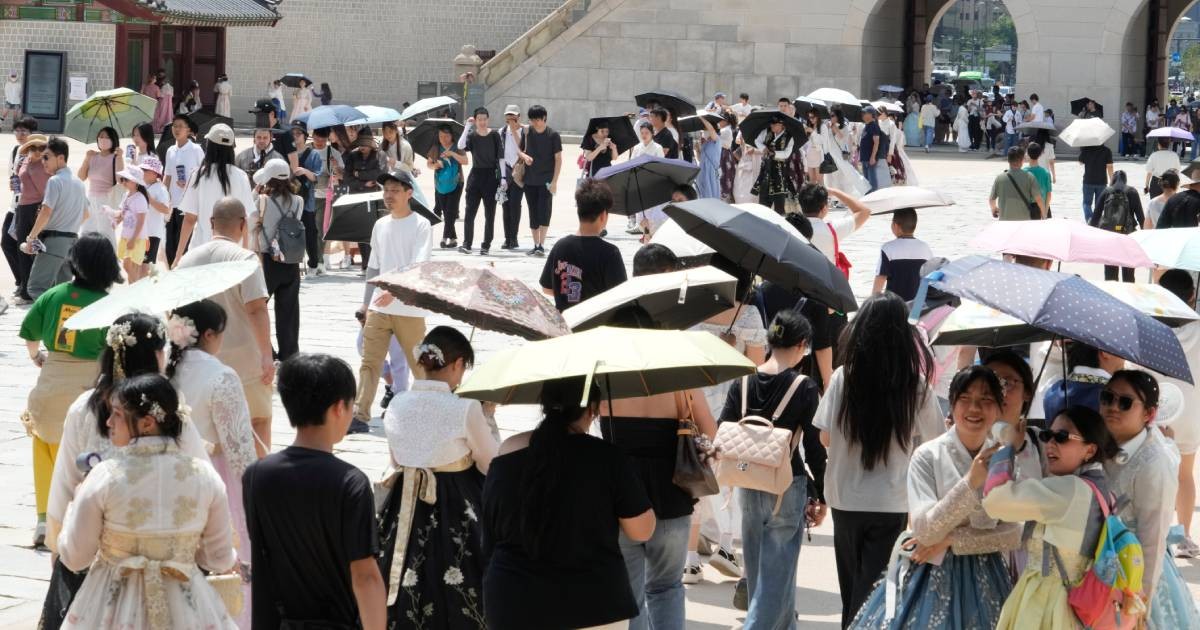
- Extreme temperatures have gripped South Korea, with reports of fans fainting at baseball games and livestock suffering from heat-related issues.
- Government data indicates that the province accounts for 16.7% of South Korean farming households, with a significant portion of these households being elderly.
- Local leaders have been broadcasting heat warnings through loudspeakers, but many farmers are unable to hear these messages while working in the fields.
South Korea is facing its worst heatwave in years, prompting President Lee Jae Myung to declare it a national disaster. With temperatures reaching a staggering 42.5°C in Yangsan, the death toll has risen to 21 as authorities scramble to protect vulnerable populations, particularly elderly farmers.23
To combat the extreme heat, North Gyeongsang Province has deployed drones equipped with loudspeakers and thermal imaging cameras to warn farmers to take breaks and avoid prolonged exposure. These drones can travel up to 5 kilometers and broadcast messages like "Do not work for long hours" and "There is a heatwave alert, so be careful."4
The province, which accounts for 16.7% of South Korean farming households, has a significant elderly population, with 59.2% of farmers aged 65 and older. The heatwave has already led to a 30% decrease in crop yields compared to last year, raising concerns about food security.7
In addition to the human toll, the heat has devastated livestock, with approximately 17,140 animals reported dead. The situation is dire, as the Interior and Safety Ministry reported 2,220 cases of heat-related illnesses since mid-May, with 19 fatalities attributed to the heat.
As the crisis unfolds, local leaders are also broadcasting heat warnings, but many farmers remain unaware while working in the fields. The use of drones represents a significant technological advancement in addressing this public health emergency.8
“North Gyeongsang Province, which accounts for 16.7% of South Korea's farming households, uses drones with thermal cameras to broadcast alerts to elderly farmers, who make up 59.2% of the province's farming population. The heatwave has also killed about 17,140 livestock and 160,000 farmed fish since mid-May.”

 AsiaOne



