- Temperatures in the south soared to a record 42.5C (108.5F) earlier this week.
- At least 23 people have died from heat-related illnesses in the country so far this year, while nearly 2,500 have visited emergency rooms for heat-related conditions since mid-May.
- President Lee Jae Myung has ordered public agencies to mobilise all available resources to deal with the extreme heat, which he has called a 'national disaster'.
- Local governments have deployed trucks to parks, markets, and bus stops to distribute chilled bottled water for free.
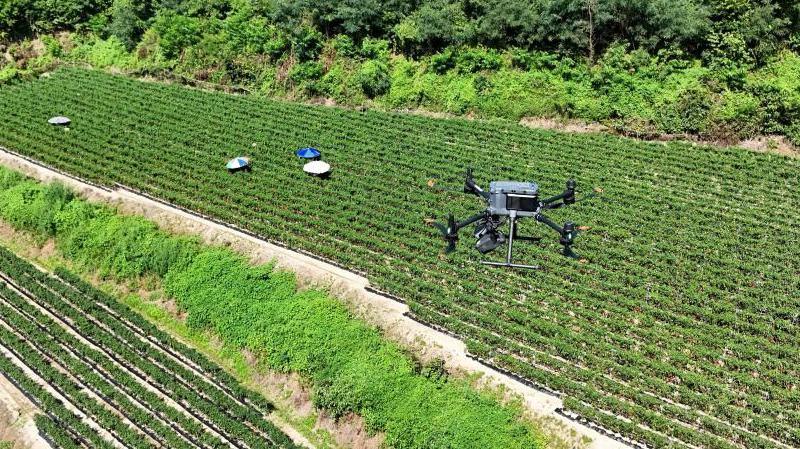
- Drones with loudspeakers and thermal imaging cameras were deployed in rural areas to warn farmers.
- Most outdoor activities have been cancelled on the advice of the national weather agency, including the daily changing-of-the-guard ceremony at Seoul's Gyeongbokgung Palace.
- Airports like Incheon and Gimpo have become a refuge for some vulnerable communities, including the homeless and the elderly.
- A mobile app 'Geuneulro' directing people to shaded walking paths has gained traction online, particularly among students.
- Climate experts have said the extreme heat could ease starting this weekend, with daytime highs falling to around 36C, but the hot weather could continue.
South Korea is grappling with an unprecedented heatwave, as temperatures soared to a record 42.5C (108.5F) earlier this week. President Lee Jae Myung has declared the situation a 'national disaster' and mobilized resources to combat the extreme conditions.13
Authorities report that at least 23 people have died from heat-related illnesses this year, with nearly 2,500 emergency room visits for heat-related conditions since mid-May. In response, local governments are deploying drones equipped with loudspeakers and thermal imaging cameras to warn farmers, many of whom are elderly, to take breaks and cool down.258

In the southern city of Yangsan, where the record temperature was recorded, fleets of sprinkler trucks are spraying water on sun-baked roads. Meanwhile, air-conditioned airports have become refuges for vulnerable communities, including the homeless and elderly, with one visitor stating it is a 'perfect place to rest without spending any money.'4
The national weather agency has advised against outdoor activities, leading to the cancellation of events such as the daily changing-of-the-guard ceremony at Seoul's Gyeongbokgung Palace and all scheduled baseball games for the week. This follows an incident where a 23-year-old spectator collapsed at a game due to dehydration and low blood pressure caused by the heat.67
“At least 23 people have died from heat-related illnesses this year, with nearly 2,500 visiting emergency rooms since mid-May. The heat has forced cancellation of all baseball games for the week and the changing-of-the-guard ceremony at Seoul's Gyeongbokgung Palace.”




