- War began after surprise Israeli and US attacks on February 28.
- In February, the US launched what was supposed to be a brief, decisive campaign against Iran.
- Argentine President Javier Milei expressed firm support for the war in April.
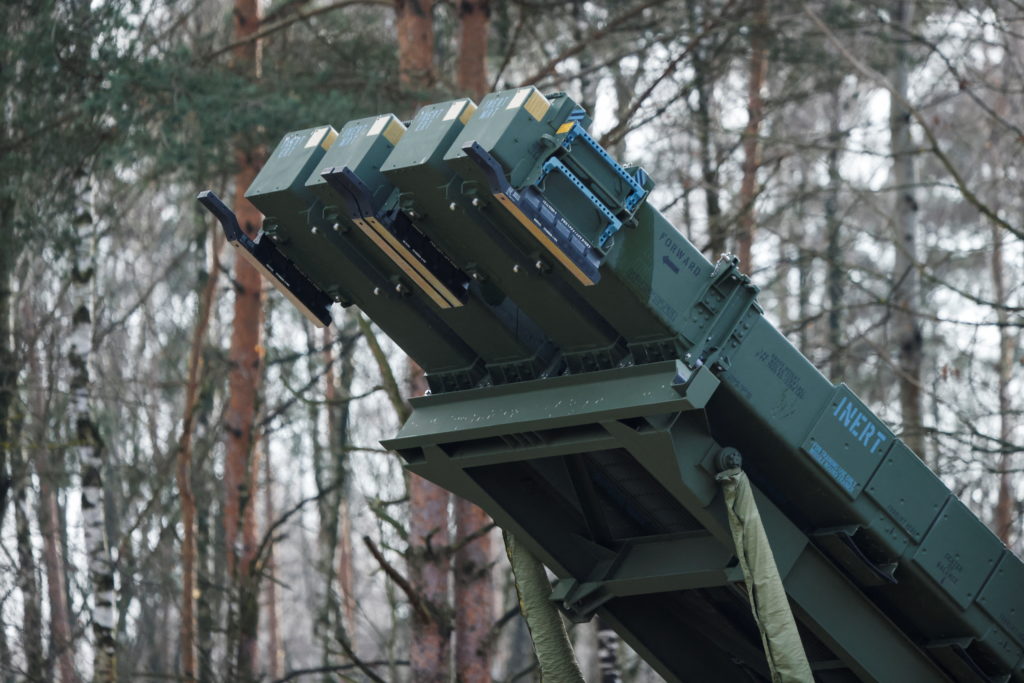
- In May, the US diverted missile defense interceptors from South Korea to the Middle East.
- Washington and Tehran signed a memorandum of understanding (MoU) in June.
- In July, Houthis declared a blockade of Saudi Arabia, making Bab al-Mandeb more hazardous.
- Six months on, the war continues with no sign of conclusion, leaving Arab states facing tough questions.
- Oil-dependent economies are still absorbing supply shocks after traffic in the Strait of Hormuz slowed to a trickle of pre-war levels following Iran's attacks on shipping and a US blockade on Iranian ports.
- Existing tensions, such as those between the Houthi rebels and Saudi Arabia in Yemen, look only set to increase as the war drags on.
- The effective closure of the Strait of Hormuz and strikes on regional cities have hindered Gulf states' plans to use oil revenues as an engine to diversify their economies.
- Many Gulf states were already looking at broadening their defense partnerships beyond existing US security guarantees.
- U.S. allies increasingly concerned that Washington is no longer a reliable partner in maintaining global security.
- Relations between Israel and the United States have entered a state of mistrust due to the war.
Six months into the Iran-US war, analysts agree that the conflict is unlikely to lead to a regime collapse in Tehran or a decisive victory for Washington.
Instead, it appears to be a drawn-out affair of stagnation and attrition.
The initial hope among US leadership was that economic and military pressure would force a structural shift in Iran.
However, this vision has not materialized, and many are now preparing for a protracted war with managed fallout.
Oil-dependent economies in the region are still grappling with supply shocks, as traffic in the Strait of Hormuz has significantly decreased due to Iranian attacks on shipping and a US blockade on Iranian ports.8
Despite a memorandum of understanding signed in June, the war's intensity has lessened but shows no signs of concluding, leading to ongoing uncertainty.
Existing tensions, such as those between the Houthi rebels and Saudi Arabia, are expected to escalate as the conflict continues.9
Moreover, the influence of rival powers like China remains strong, with Beijing's Belt and Road Initiative firmly established in the region.
As a result, formal alliances with outside powers no longer guarantee safety, prompting Gulf nations to diversify their economies and defense partnerships beyond US security guarantees.
Analysts note that the war has accelerated existing trends, with many Gulf countries already looking to broaden their defense capabilities.
The long-term impact of the war is likely to extend beyond Iran, undermining faith in US leadership and decision-making in Europe and beyond.
“The war has disrupted oil shipments through the Strait of Hormuz, slowing traffic to a trickle and raising prices, while Gulf states face inflation and pressure to boost defence spending. Analysts see no regime change in Tehran, with the conflict likely to drag on for years.”


 The Christian Science Monitor