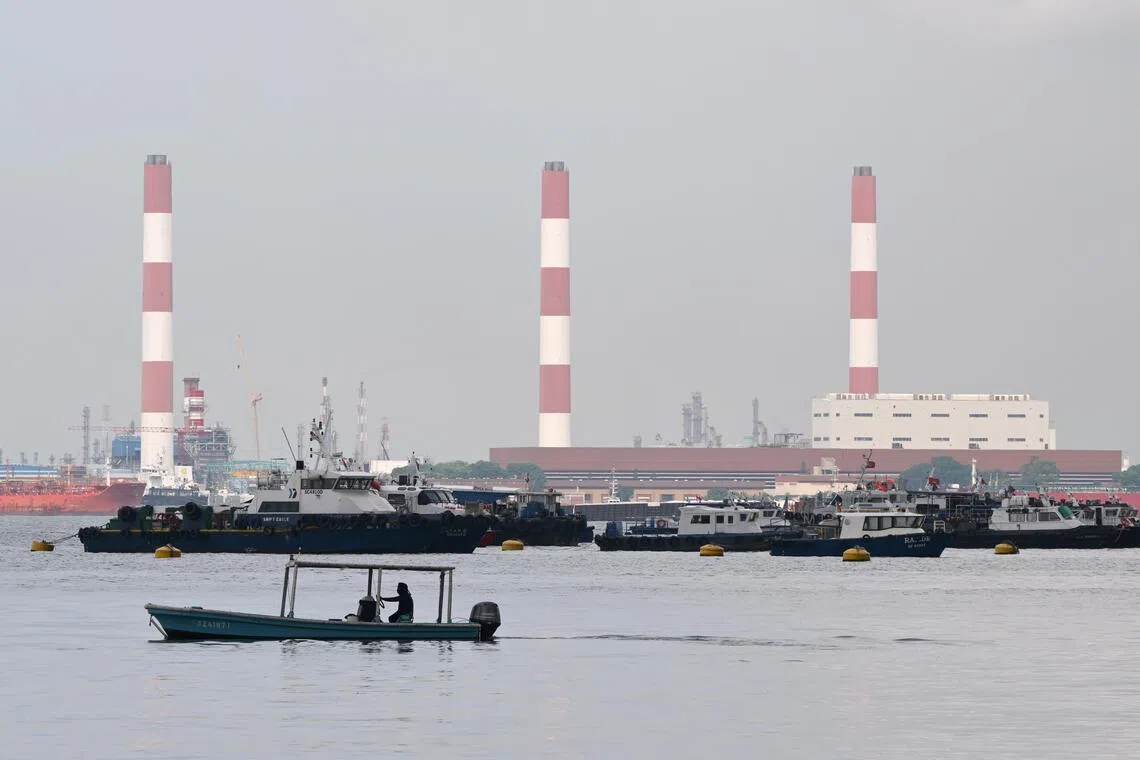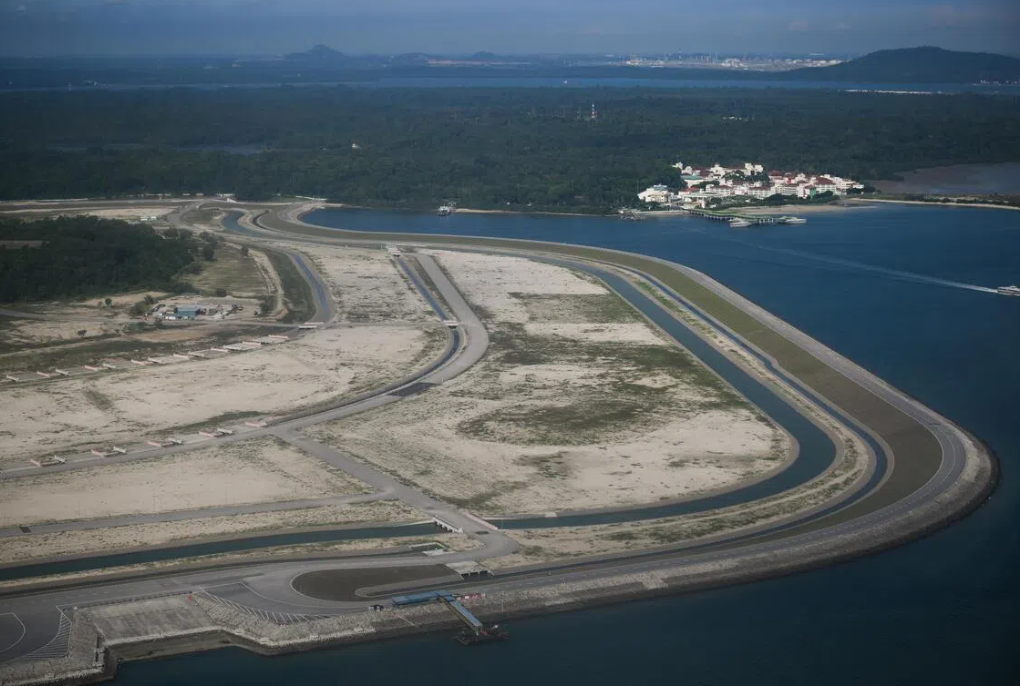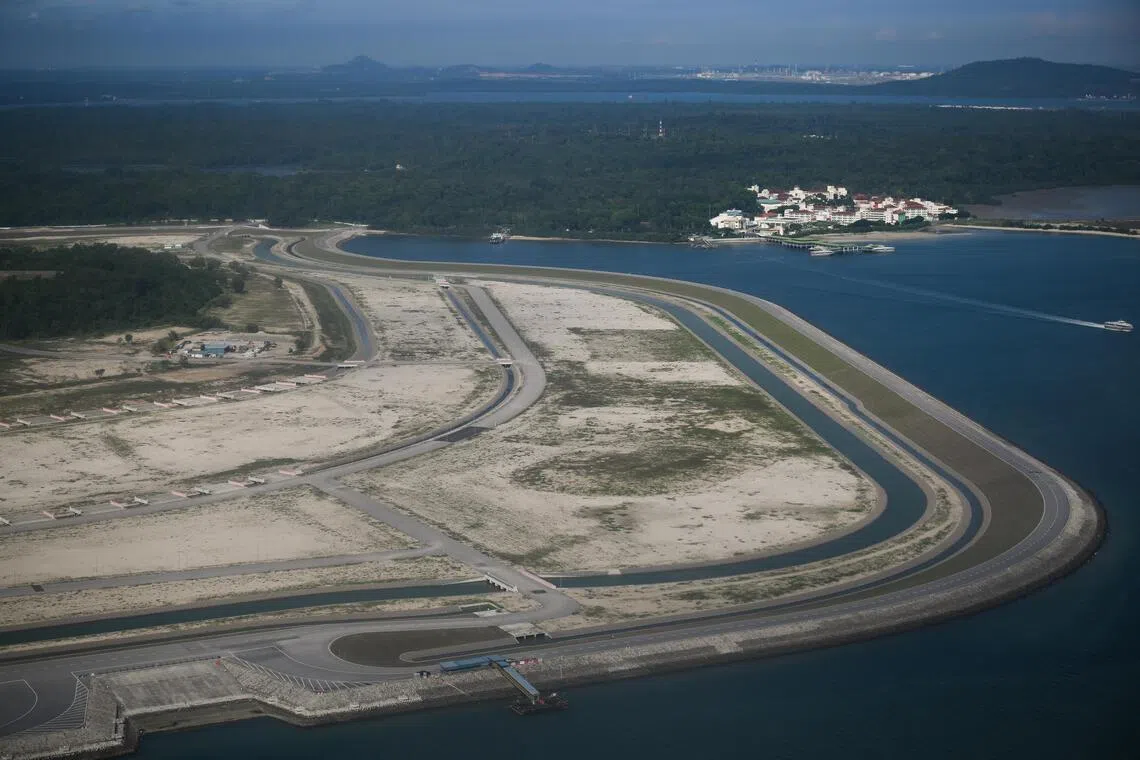
- Singapore is studying plans to link Pulau Tekong to the mainland via undersea tunnels.
- The Government will conduct technical studies as part of the planning process for western island reclamation, including feasibility studies, site investigations, surveys, and engineering and environmental studies to understand impacts on biodiversity and hydrodynamics.
- The intertidal habitats for various islands and surrounding reefs that could fall within the potential reclamation area cover about 592.8ha, which is larger than Sentosa and makes up more than half the intertidal areas of the Southern Islands.
- Huang Danwei, director of the National Institute for Marine and Ocean Sciences, noted that reefs in Pulau Hantu and Pulau Semakau date back about 8,000 years and warned that reclamation could cause loss of sensitive marine habitats with high value for climate mitigation, ecological connectivity, science, and potential medicines.
- Huang highlighted that coral reefs in the area have recovered from global-scale coral bleaching events in 1998, 2010, 2016, and 2024, but stressed that no mitigation exists for reefs lost by direct burial for land reclamation, as transplanted corals cannot restore ecosystem functions built over eight millennia.
- Chou Loke Ming, emeritus professor at NUS, believes that mature marine habitats like reefs, seagrass, and mangroves qualify as natural heritage sites, and called for a new mindset of building with nature instead of at its expense, suggesting a flexible reclamation boundary to avoid burying most habitats.
- Marine biologist Zeehan Jaafar noted that the connected reef-mangrove-seagrass coastal systems at Pulau Semakau are no longer observed anywhere else in Singapore, and are important for understanding marine biodiversity and coastal ecological processes.
- Jani Tanzil noted that Singapore’s marine ecosystems sit at the confluence of waters like the South China Sea and Java Sea, making them a nature corridor that helps connect biodiversity and fisheries in the region, and urged that all options be considered even if it challenges development.
- Neo Mei Lin noted that 80% to 90% of the wild populations of giant clams she studies exist in the potentially affected areas, and warned that the astronomical loss of marine habitats and biodiversity could be more devastating than past reclamation projects.
Singapore's government is considering an undersea tunnel to Pulau Tekong as part of a broader plan that includes potential land reclamation around the island. This initiative is accompanied by comprehensive marine biodiversity studies to assess the environmental impact of such developments.1231112
A spokesman for the Ministry of National Development (MND) stated, “As part of the planning process, the Government will be conducting technical studies to inform the development plans, including the reclamation profile.” These studies will encompass feasibility assessments, site investigations, and environmental evaluations to understand the implications for biodiversity and hydrodynamics.
The area earmarked for reclamation includes approximately 592.8 hectares of intertidal habitats, which is larger than Sentosa and constitutes over half of the intertidal zones of the Southern Islands. Experts like Huang Danwei from the National Institute for Marine and Ocean Sciences emphasize the ecological significance of these habitats, warning that reclamation could lead to irreversible losses. “There is no mitigation for reefs lost by direct burial for land reclamation,” he cautioned.45678910
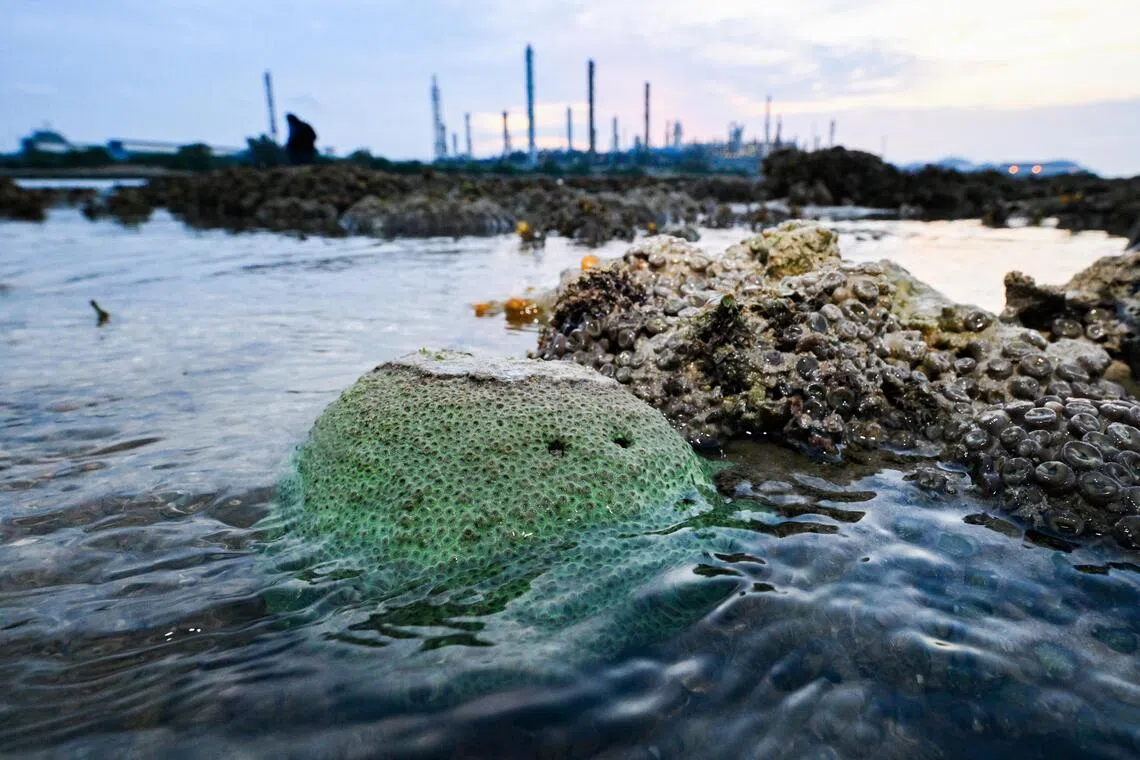
Marine biologist Zeehan Jaafar highlighted the uniqueness of the connected reef-mangrove-seagrass systems at Pulau Semakau, stating, “These areas are important to further understand our marine biodiversity and coastal ecological processes.” The potential reclamation has raised concerns among scientists, with Neo Mei Lin noting that 80% to 90% of wild giant clam populations are at risk.1516
Experts advocate for a new approach to reclamation, suggesting that Singapore should aim to “build with nature instead of at the expense of it.”
“The intertidal habitats in the potential reclamation area cover 592.8ha, larger than Sentosa, and reefs in Pulau Hantu and Pulau Semakau date back 8,000 years. Scientists warn that direct burial would cause irreversible loss, as 80-90% of wild giant clams live there.”