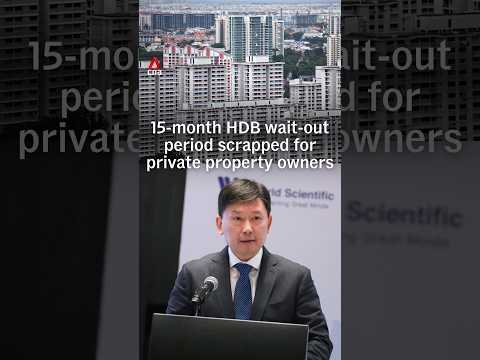
- The ABSD rules will change from July 29 to give developers more time to complete and sell large en bloc housing projects, with extended deadlines for large and mega sites.
- Large sites yielding 700-1,400 units get 6 years, while mega sites with 1,400+ units get 7 years to complete and sell units, with clawback rules if sales targets are not met.
- Developers of large residential collective sale sites will get more time to sell units in the project, under changes to the additional buyer’s stamp duty (ABSD) regime that are meant to facilitate the redevelopment of such sites.
Singapore's housing policy is undergoing significant changes as the government removes the 15-month wait-out period for HDB flats and revises the additional buyer's stamp duty (ABSD) rules effective July 29.1
The new regulations aim to facilitate the redevelopment of large residential collective sale sites, providing developers with extended timelines to complete and sell units.
Large sites yielding between 700 and 1,400 units will now have a completion and sale timeline of six years, an increase from the previous 5½ years.2
Mega sites, which yield over 1,400 units, will have a timeline of seven years, also up from 5½ years.
Minister Chee Hong Tat emphasized that these changes are designed to set the right incentives for developers, stating, “These changes are intended to set the right incentives for developers to rejuvenate larger estates, so that we can encourage more land intensification and achieve an outcome which is good for society as a whole.”
Additionally, developers will face a clawback of the 35% remittable portion of the ABSD if they fail to sell at least half of the residential units by the end of the six-year mark for mega sites.
The adjustments reflect a broader strategy to enhance urban living and promote efficient land use in Singapore's rapidly evolving housing market.
“From July 29, 2026, large sites yielding 700-1,400 units will have a completion timeline extended to six years, while mega sites will have seven years. Minister Chee Hong Tat emphasized that these changes aim to rejuvenate larger estates and encourage land intensification for societal benefits.”