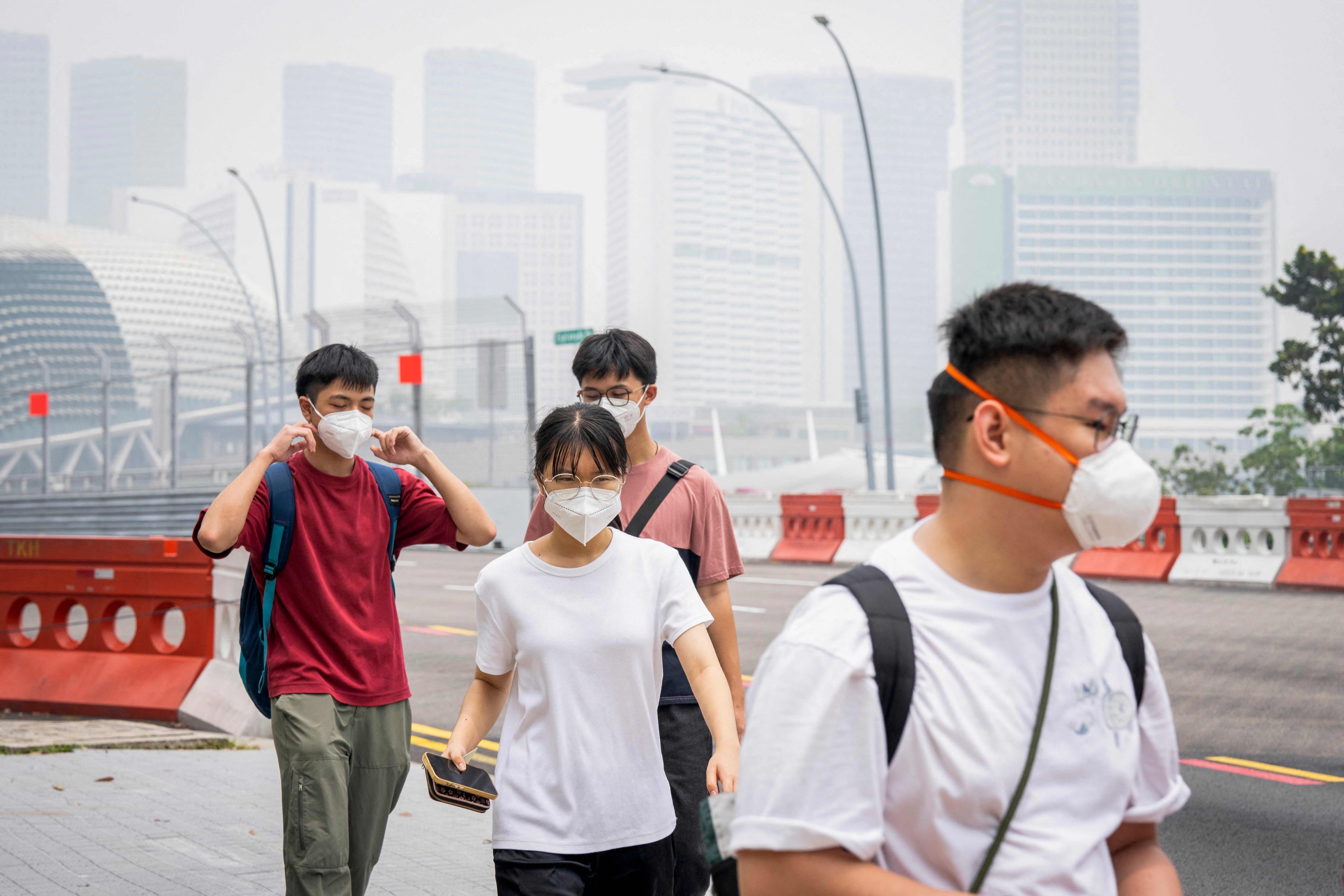
- On November 4, 2026, Singapore's parliament passed tougher anti-haze laws, increasing fines 10 times against offenders.
- The amended Transboundary Haze Pollution Act increases penalties to a maximum fine of S$1 million (US$780,000) a day, capped at S$20 million.
- The amended Transboundary Haze Pollution Act increases financial and commercial penalties for those found guilty, and allows Singapore to take action even before the pollutive smoke reaches its shores.
- The Bill to change the law was passed after a debate lasting about six hours, during which 24 MPs spoke up.

Singapore's parliament has passed significant amendments to the Transboundary Pollution Haze Act, raising daily fines for companies causing haze pollution from S$100,000 to S$1 million, with a total cap of S$20 million.2
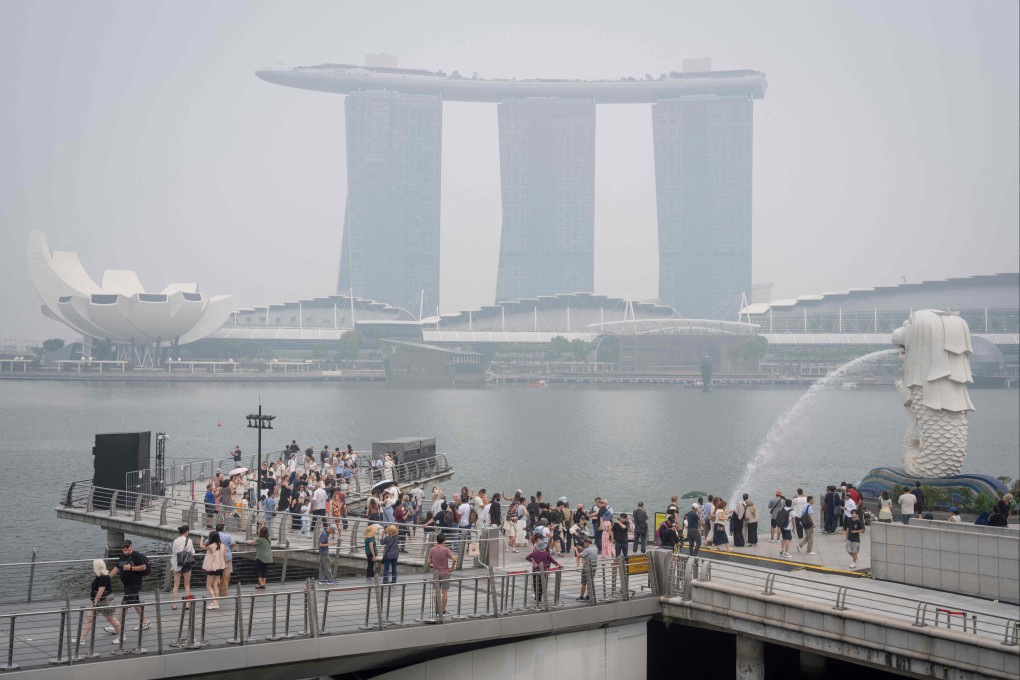
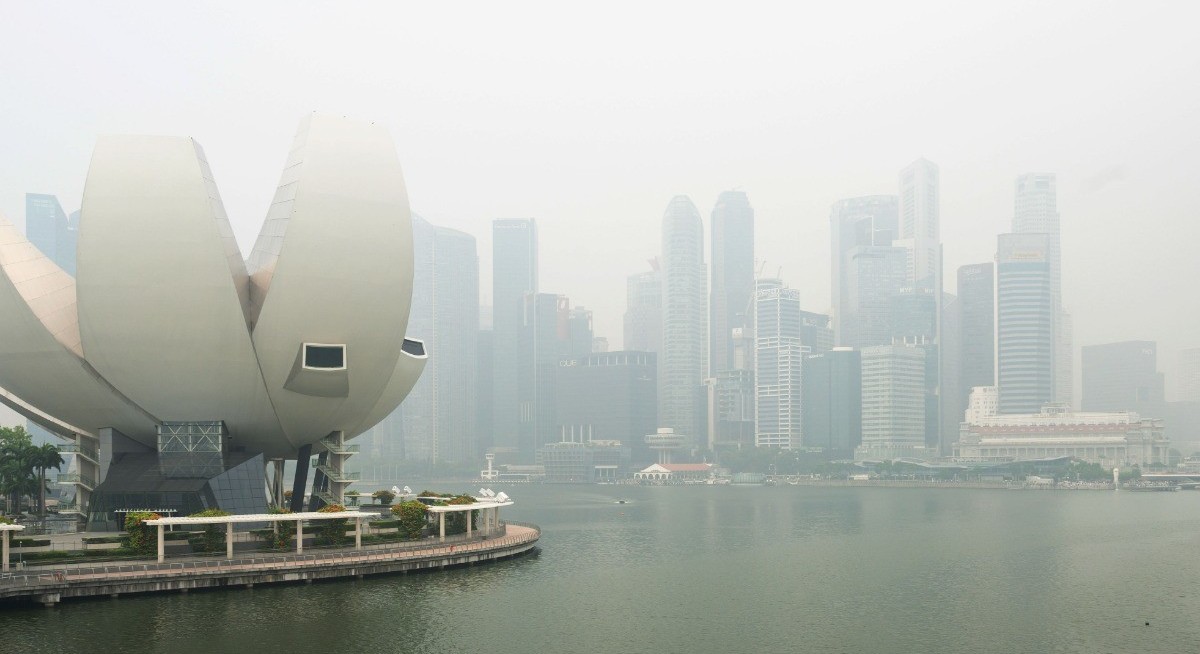
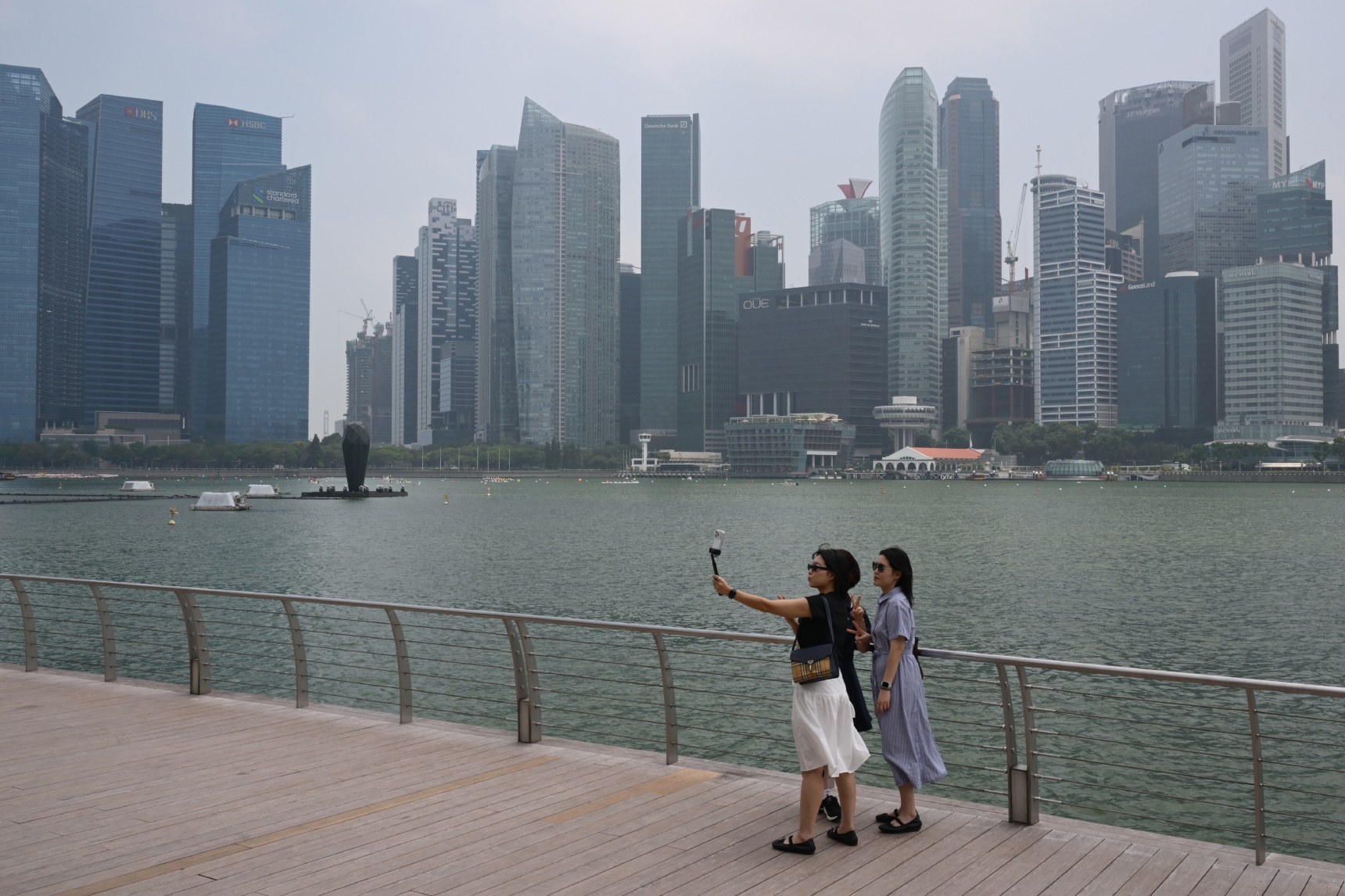
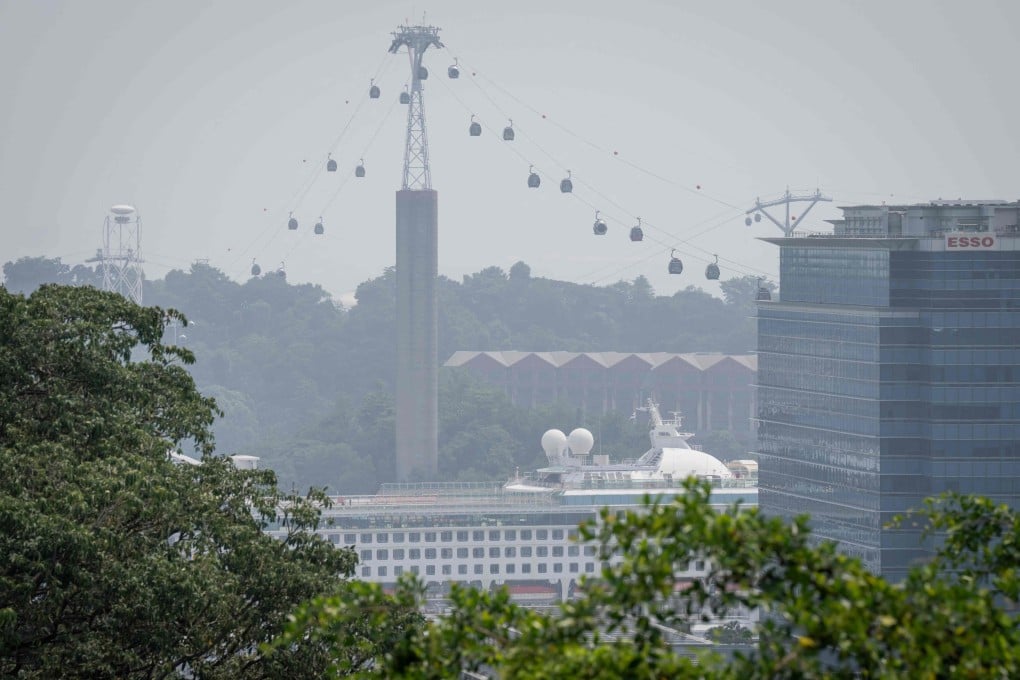
The changes come after the city-state faced severe haze episodes, prompting a need for stricter enforcement.
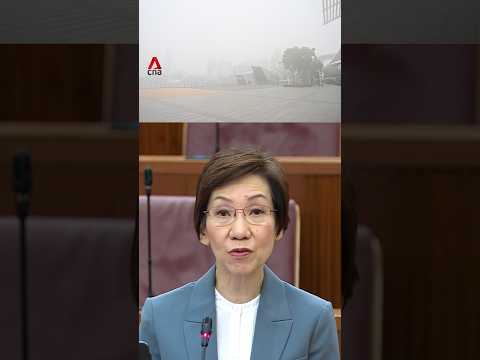
Minister for Sustainability and the Environment Grace Fu emphasized that the haze is a result of human actions, stating, “This will ensure transparency on the use of these powers, and where wrongdoing or non-compliance has been established, strengthen public accountability.”
Previously, fines had not been imposed under the Act since its inception in 2014, despite multiple notices issued to companies.
The amendments allow for penalties even before haze reaches Singapore, expanding the scope to include entities contributing to overseas fires.
Fu noted, “These changes will give us the flexibility to act in a wider range of circumstances.” The law also enables the National Environment Agency (NEA) to publicize non-compliant entities and restrict their access to financial services.
The legislation aims to hold companies accountable for their environmental impact, with the potential for additional penalties based on profits gained from violations.
The debate in parliament lasted six hours, with 24 MPs contributing to the discussion, reflecting the urgency of addressing the haze issue.4
Fu concluded, “The changes we are proposing will not guarantee successful prosecutions, nor will legislation alone solve the transboundary haze problem.” However, the amendments are seen as a crucial step towards protecting Singaporeans from environmental harm.
“The amended Transboundary Haze Pollution Act also empowers courts to impose additional penalties based on profits gained, and lets the NEA publicise names of non-compliant entities. Minister Grace Fu said the changes will not guarantee prosecutions but strengthen Singapore's ability to impose economic consequences.”
 South China Morning Post