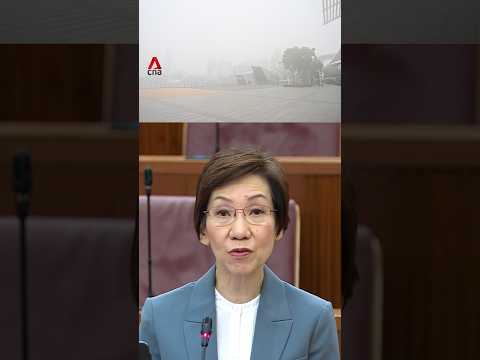
- On Wednesday (Nov 4), the Bill enhancing the Transboundary Haze Pollution Act (THPA) was passed unanimously after about six hours of debate.
- Minister Grace Fu stated that the enhanced law is 'not a silver bullet' and emphasized that international cooperation remains crucial.
- The Transboundary Haze Pollution Act first came into force in 2014.
- Ms Fu acknowledged that even with expanded powers, Singapore can expect challenges in exercising them.
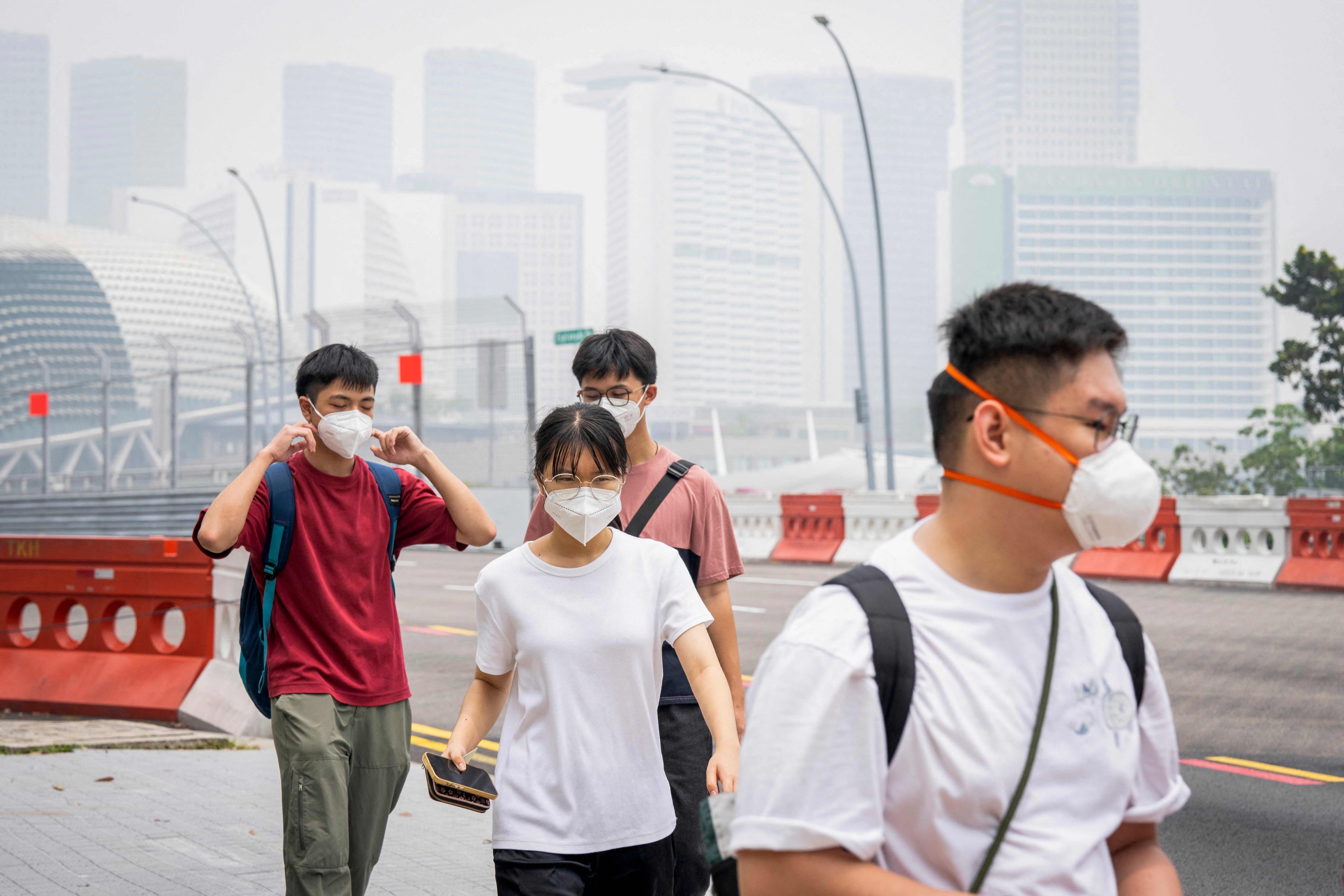
Singapore's Transboundary Haze Pollution Act (THPA) has been enhanced to better tackle haze pollution, but Minister Grace Fu cautioned that it is 'not a silver bullet.'
The law, first enacted in 2014, was passed unanimously after a six-hour debate.
“The THPA is not a silver bullet. It is one of many tools we must use to address the transboundary haze situation,” Fu stated.
Despite the expanded powers, she acknowledged that challenges remain in enforcing the law, particularly beyond Singapore's borders.
“We seek to work collectively with foreign agencies,” Fu emphasized, noting that Singapore respects the sovereignty of other nations.
The National Environment Agency (NEA) will implement these powers in a “measured and targeted” manner, focusing on entities with prior offenses or connections to those responsible for haze.
A private legal firm, Davinder Singh Chambers, has been appointed to coordinate investigations across jurisdictions, as government agencies face limitations in foreign territories.
“It is only right that the taxpayers ought not to be paying for it,” said Senior Minister K Shanmugam, indicating that companies under investigation will bear the costs.
Fu also addressed concerns regarding the impact on small and medium-sized enterprises (SMEs), assuring that compliance costs will be minimized and that businesses will not be penalized if unaware of dealings with designated entities.
“Our measures are targeted at entities responsible for causing or contributing to the haze,” she added, highlighting the government's commitment to responsible enforcement.
“The Bill was passed unanimously after about six hours of debate, with NEA to implement expanded powers in a 'measured and targeted' manner. A private legal firm, Davinder Singh Chambers, will coordinate cross-jurisdiction probes, with costs borne by companies under investigation.”