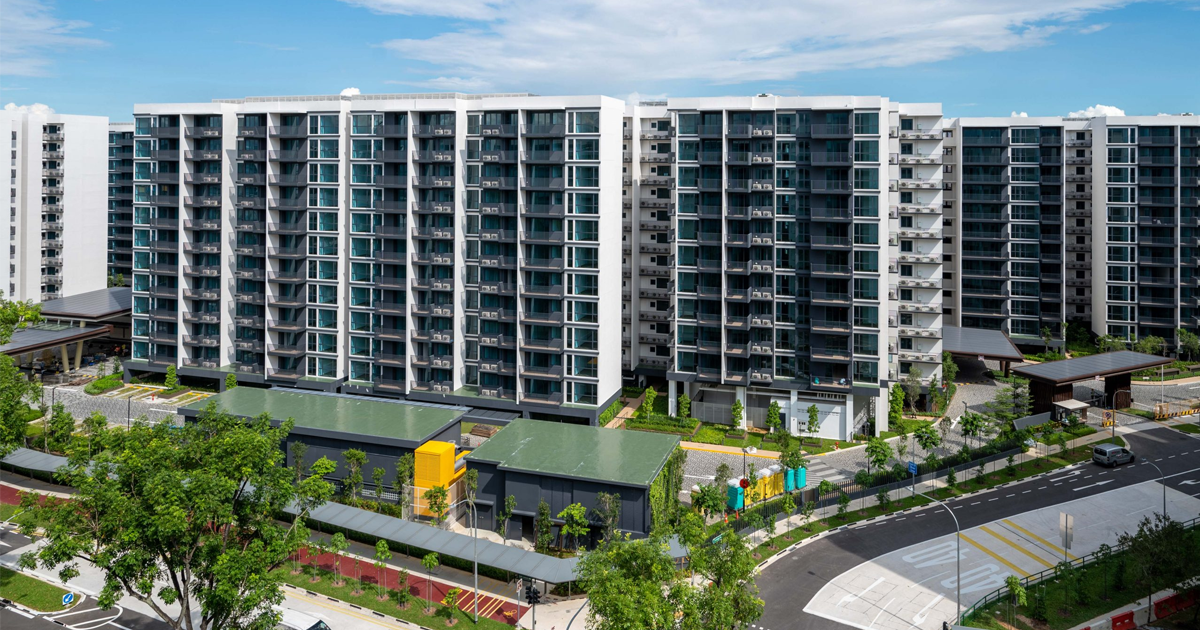
- New rules take effect on July 29, extending timelines for large en bloc projects, allowing developers to have more time for completion and sale.
- Minister Chee Hong Tat announced these changes at the Singapore Economic Review Conference on July 28, emphasizing the need to rejuvenate ageing residential sites.
- Developers of projects yielding at least 700 residential units will enjoy a six-month extension to their additional buyer’s stamp duty (ABSD) remission timeline.
- For projects yielding 1,400 units or more, the completion and sale timelines will be extended to seven years.
Singapore's Ministry of National Development (MND) has announced a six-month extension for the additional buyer's stamp duty (ABSD) remission timeline for housing developers (HDs) involved in large en bloc projects yielding at least 700 residential units.3
The new regulations, effective from July 29, allow projects with 700 to 1,399 units to have their completion and sale timelines extended to six years, up from the previous 5.5 years. For projects yielding 1,400 units or more, the timeline extends to seven years.4
Minister for National Development Chee Hong Tat emphasized the need to rejuvenate aging residential sites, stating, “We want to incentivise private developers to intensify their use by rejuvenating ageing residential sites, including larger sites where redevelopment will require a longer duration.”2
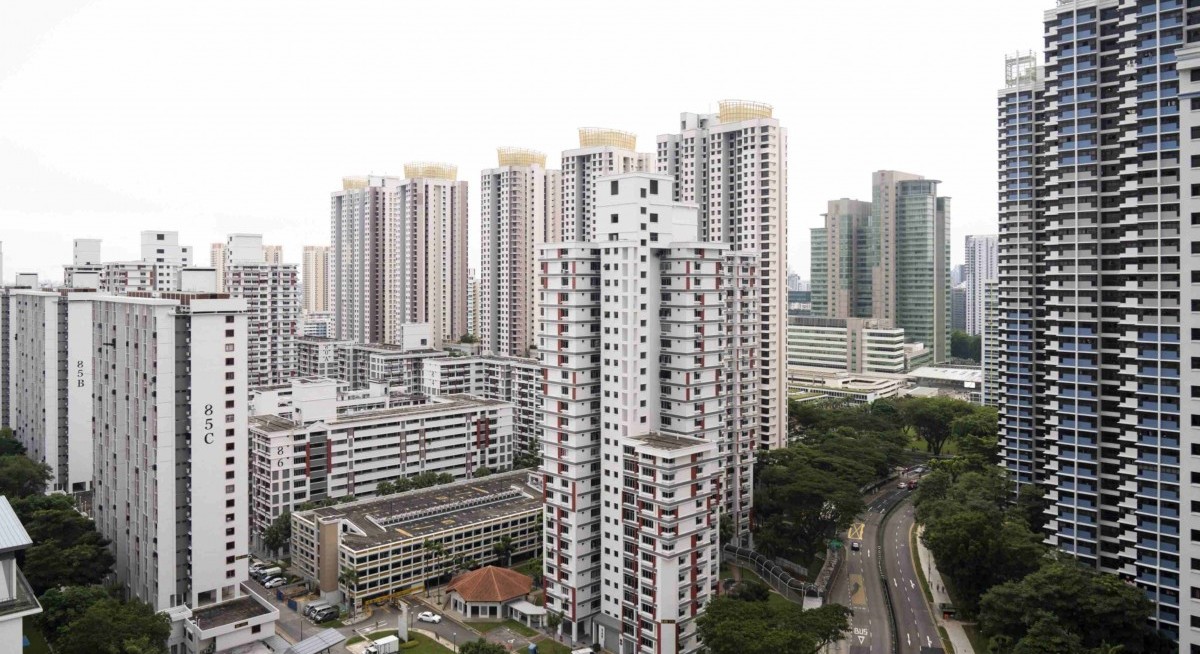
The MND, in collaboration with the Ministry of Finance, aims to ensure a timely injection of housing supply while encouraging developers to bid prudently for land.
Additionally, an intermediate sales condition mandates that developers must sell at least 50 percent of residential units within the six-year period. Failure to comply will result in a full clawback of the 35 percent upfront remittable component of the ABSD, along with interest.
The new measures reflect the government's commitment to facilitating large-scale redevelopment while maintaining housing supply stability in Singapore.
“Under the new rules, projects yielding between 700 and 1,399 units will have their timelines extended to six years, while those with at least 1,400 units will be extended to seven years. Minister Chee Hong Tat emphasized that these changes aim to incentivize developers to rejuvenate aging residential sites for societal benefit.”
 AsiaOne



