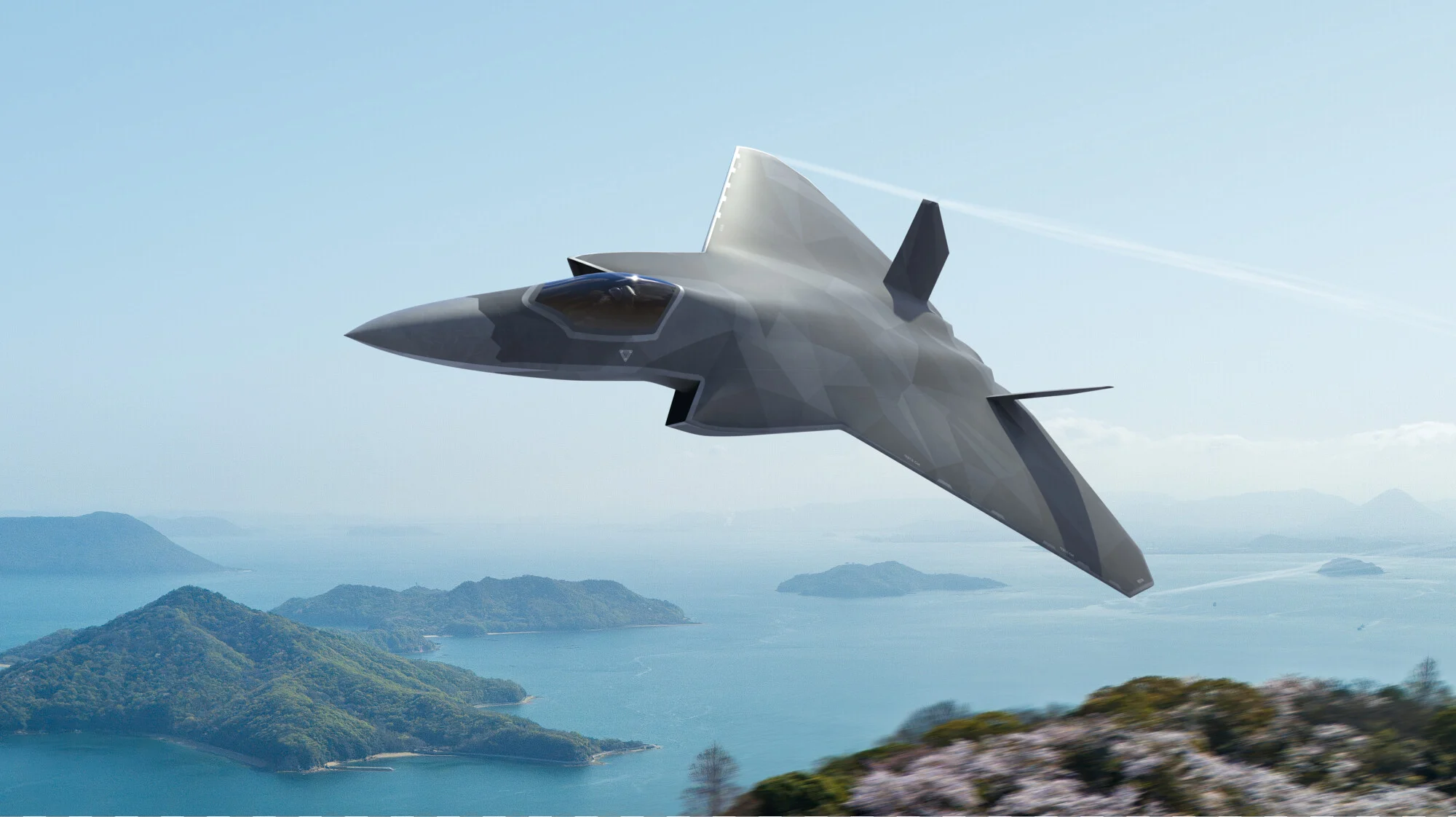
- Canada has been welcomed as the first observer nation in the Global Combat Air Programme (GCAP) for the Tempest fighter jet, enhancing its insight into the programme's governance and capabilities.
- Singapore is exploring potential involvement in the Global Combat Air Programme (GCAP) as it transitions to a fleet of 20 Lockheed Martin F-35s, which includes 12 F-35Bs and eight F-35As.
- The observer status for Canada allows for enhanced insight into GCAP, but does not grant a decision-making role, as Canada is still evaluating its future force structure.
- Singapore's exploration of GCAP is significant as it may deepen its defence relationships with Britain, Japan, and Italy while maintaining its ties with the United States.
- The GCAP aims to connect crewed aircraft with loyal wingmen and distributed sensors, potentially enhancing the operational capabilities of smaller air forces.
Singapore is in preliminary discussions to join the Global Combat Air Programme (GCAP), which aims to develop sixth-generation fighter capabilities. This exploration coincides with Singapore's transition to a fleet of 20 Lockheed Martin F-35s, including 12 F-35Bs and 8 F-35As, scheduled for delivery in the coming years.9
The involvement in GCAP could enhance Singapore's defense relationships with key allies such as Britain, Japan, and Italy, while maintaining its strong ties with the United States. The strategic significance of this move is underscored by the need for modernized airpower in the contested Indo-Pacific region, where air forces are increasingly challenged.
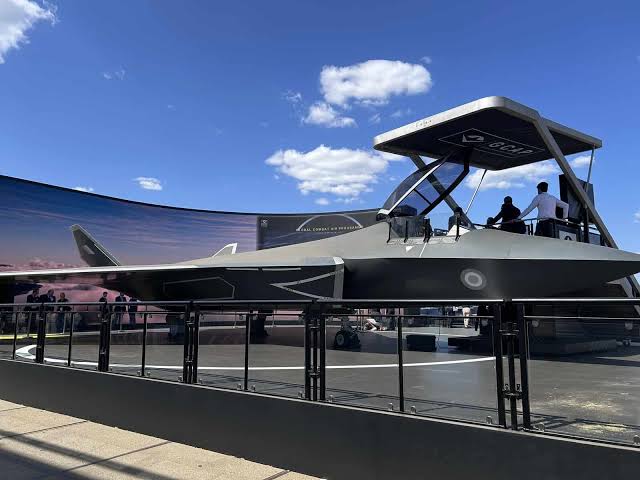
As Singapore replaces its ageing F-16s, the exploration of GCAP indicates a long-term vision for its air force, focusing on how fifth-generation and sixth-generation platforms can coexist within a layered combat architecture. The discussions remain exploratory, with no commitment to participation or defined roles yet announced, making any assessment of future membership or procurement premature.
Singapore's compact territory presents unique challenges, necessitating a focus on range, survivability, and distributed operations to enhance its military posture. The potential for participation in GCAP could reshape the landscape of airpower in Southeast Asia, aligning with broader trends in military modernization and strategic partnerships.
“Singapore's preliminary discussions on GCAP come as it plans to replace ageing F-16s with 20 Lockheed Martin F-35s, indicating long-term force-structure planning. The geopolitical implications of joining GCAP could enhance Singapore's defense ties with Britain, Japan, and Italy while maintaining its relationship with the U.S.”




