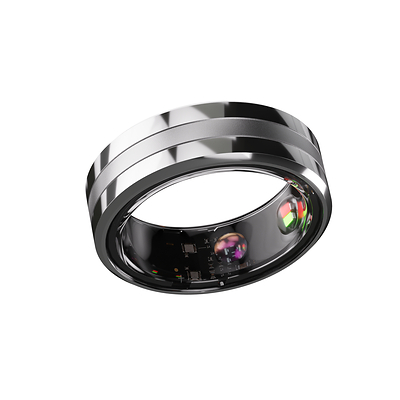
- Signal Ring unveiled as the world's first cuffless blood pressure tracker designed to measure and understand blood pressure without the traditional cuff's squeeze, noise, or setup.
- Accurate tracking is claimed without a cuff, as the Signal Ring takes readings from the finger using an optical sensor and advanced algorithms tested on thousands of subjects.
- Signal Ring aims to replace the traditional blood pressure cuff, providing a more convenient and reliable way to track blood pressure.
- The price for the Signal Ring is set at $399, with pre-orders available and initial shipments expected to begin in October.
- The accuracy of the Signal Ring has been validated in a clinical study involving 451 participants, meeting the international accuracy standard for blood pressure cuffs.
- Unlike other devices, the Signal Ring does not require calibration with a blood pressure cuff, which sets it apart from competitors like Samsung and Whoop.
- The companion app for the Signal Ring provides detailed graphs and can sync data with Apple Health and Google Health.
- Despite its innovative features, health experts have expressed doubts about the accuracy of the device, citing potential limitations of the technology used.
Signal Ring, priced at $399, is the first wearable device that allows users to track blood pressure without the discomfort of a traditional cuff. Developed by Vital Signals, it utilizes an optical sensor and advanced algorithms tested on over 451 participants in clinical studies.134
The device provides continuous monitoring and context for readings, helping users understand how lifestyle factors affect their blood pressure. According to Tom Moss, founder and CEO, "Signal Ring is designed so people won't have to guess the way I did. It's giving people a more convenient and reliable way to track and understand their blood pressure."
Unlike other wearables, such as the Apple Watch, which require calibration with a cuff, the Signal Ring operates independently, making it a significant advancement in consumer health technology. It meets the ISO 81060-2 accuracy standard for blood pressure devices, although it has not yet received FDA clearance.56
The ring records blood pressure throughout the day and tracks overnight readings, providing insights into how factors like exercise and stress impact blood pressure. The companion app for iPhone and Android displays detailed graphs and includes features like breathing exercises to enhance accuracy. Vital Signals plans to ship the consumer version in October, with a medical-grade version currently undergoing clinical testing.7
Despite its innovative approach, health experts express caution regarding the accuracy of the readings, emphasizing the need for further testing. Dr. Rosman from the University of North Carolina noted, "Inaccurate heart data can trigger unnecessary worry or false assurance."
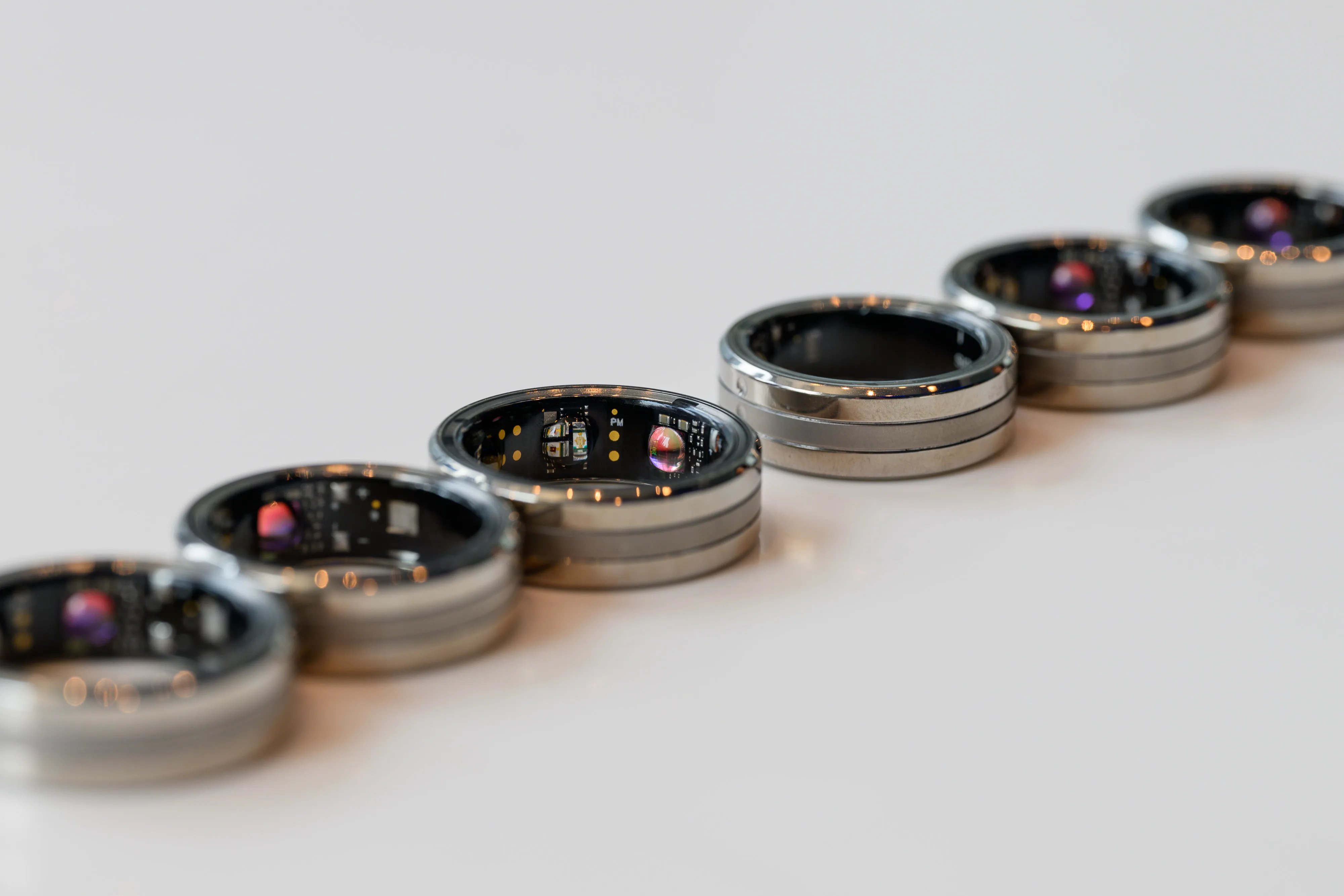
If successful, the Signal Ring could revolutionize how individuals manage hypertension, offering a less intrusive method for regular monitoring.
“The ring uses optical sensors and algorithms to provide continuous readings without requiring calibration, unlike Samsung and Whoop devices. Its accuracy was validated in a 451-person clinical study meeting the international cuff standard, though FDA clearance is still pending.”
 PR Newswire
 CNET
CNET



