
- Shein reported a net loss of $99 million in the first quarter of 2026, swinging from a $395 million profit a year earlier.
- On July 10, 2026, the China Securities Regulatory Commission approved its application to list in Hong Kong.
- Shein's Hong Kong IPO filing does not mention specific China supply chain issues and cites general reputational risk from negative publicity.
- Shein warned that net revenue, operating profit and net profit were being pressured by tariffs, potential pricing pressures, weaker regional demand and higher logistics and material costs.
- The European Union, accounting for about a third of Shein’s net revenue in 2025 and the first quarter of 2026, imposed a €3 (US$3.42) fee on low-value e-commerce imports this month.
- Consumer demand in the Middle East has hit, with regional activity down year on year and expected to dent 2026 net revenue.
- The removal of the duty-free policy forced Shein to absorb higher costs, eating into its margins.
- Shein faced growing pushback from regulators and lawmakers in the U.S. and Europe over labor practices and intellectual property concerns.
- The failed IPO attempts in New York and London reflected tensions, making the Hong Kong listing a critical step for Shein to raise fresh capital.
Shein's financial struggles deepened in Q1 2026, with a reported $99 million loss compared to a $395 million profit a year prior. The company's net revenue increased slightly by 1.1% to $9.05 billion, but rising tariffs and costs have significantly impacted profitability.15
The U.S. government's removal of the de minimis duty-free policy in May 2025 has forced Shein to absorb higher costs, leading to tariffs ranging from 10% to 87.5% on products shipped to America. This change has had an 'adverse impact' on U.S. sales and overall growth, according to Shein.

In its filing, Shein warned of multiple risks in 2026, including pricing pressures, weaker regional demand, and higher logistics and material costs. The European Union has also imposed a €3 (US$3.42) fee on low-value e-commerce imports, further raising selling costs.6
Despite these challenges, Shein is moving forward with its Hong Kong IPO, which was approved by the China Securities Regulatory Commission on July 10, 2026. This listing is seen as a critical step for Shein to raise fresh capital after failed attempts in New York and London due to regulatory scrutiny over labor practices and supply chain issues.210
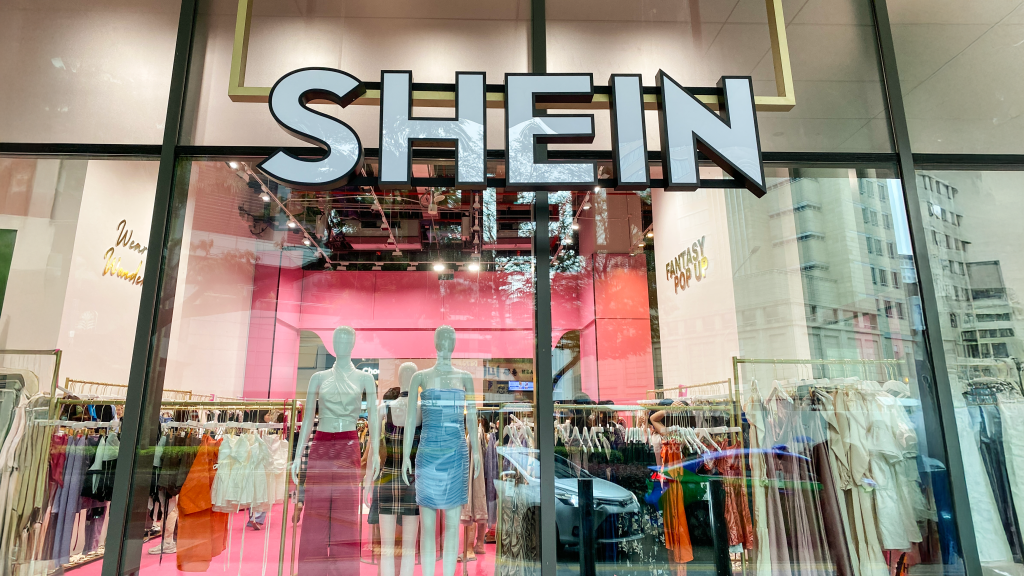
As Shein navigates these turbulent waters, it remains to be seen how effectively it can adapt to the changing market landscape and regain profitability.
“Shein's net revenue edged up 1.1% to $9.05 billion in Q1 2026, but the company warned of pressures from tariffs and weaker demand. The European Union's new €3 fee on low-value imports is expected to further impact Shein's sales and margins.”
 South China Morning PostSouth China Morning Post
 TradingView



