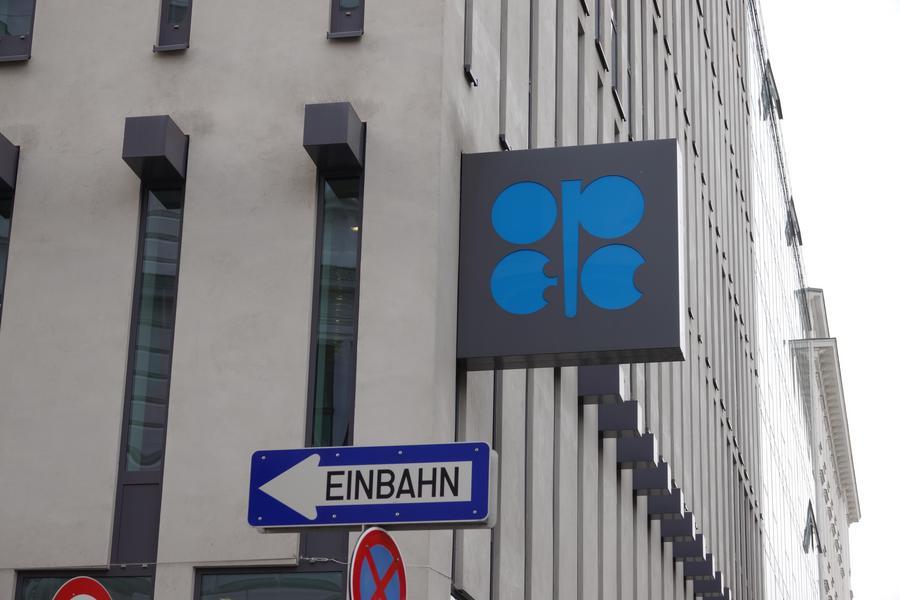
- Seven OPEC+ countries agreed on Sunday to raise the oil production cap in September by 188,000 barrels per day (bpd) from August levels, according to a statement published after a virtual meeting of OPEC+.
- The decision was announced following the meeting attended by Saudi Arabia, Russia, Iraq, Kuwait, Kazakhstan, Algeria and Oman, which reviewed global market conditions and outlook.
- OPEC+ announced on Sunday that its seven core members have agreed to increase oil production by 188,000 barrels per day in September as part of ongoing efforts to maintain market stability.
- The hike completes the phased rollback of a 1.65 million bpd voluntary supply cut first agreed in 2023, when the group still counted the United Arab Emirates among its members.
- The seven countries are set to meet on September 6 to decide on production levels for October.
- In their collective commitment to supporting oil market stability, the seven participating countries decided to implement a production increase from the voluntary cuts announced in April 2023.
- The voluntary production cuts of 1.65 million bpd were first announced in April 2023 and were later extended through the end of 2026.
- The decision made on Sunday marks the sixth consecutive month for the OPEC+ to ramp up its production.
- OPEC+ is carrying out a review of its members' oil production capacity that will be used for the 2027 output baselines from which quotas are set.
Seven OPEC+ nations have approved a 188,000 barrels per day (bpd) increase in oil production for September, completing the rollback of a 1.65 million bpd voluntary cut initiated in April 2023. The decision was made during a virtual meeting attended by Saudi Arabia, Russia, Iraq, Kuwait, Kazakhstan, Algeria, and Oman.134
The production increase reflects the group's commitment to market stability, as they adapt to evolving global conditions. The participating nations emphasized their intention to compensate for any production exceeding agreed levels since January 2024. This marks the sixth consecutive month of production increases by OPEC+, which aims to balance supply and demand amid ongoing geopolitical tensions affecting oil exports.8
The next meeting is scheduled for September 6, where further adjustments for October will be discussed. Analysts suggest that while the current increase addresses previous cuts, the challenge ahead will be managing potential surpluses as export flows normalize. Jorge Leon, an analyst at Rystad, noted, "OPEC+ has finished unwinding its voluntary cuts. The next challenge is managing the surplus that could emerge as export flows normalize."56

Despite the production hike, market reactions have been mixed, with prices falling over 5% in response to hopes for de-escalation in Middle Eastern conflicts. The group continues to face challenges, including potential disruptions from ongoing geopolitical issues, as they prepare for future quota negotiations.
“The hike unwinds the final tranche of a 1.65 million bpd voluntary cut first agreed in April 2023, while roughly 2 million bpd in earlier cuts remains through end-2026. Prices fell more than 5% for the week on hopes Middle East hostilities ease, and OPEC+ meets again September 6 for October quotas.”
 CNBC
CNBC



