- Senate Democrats blocked the Ratepayer Protection Act on Wednesday in a 57-43 vote, falling short of the 60 votes needed to overcome a filibuster.
- The House passed the Ratepayer Protection Act by a vote of 417-3 two weeks ago, setting a federal standard on the issue.
- Sen. Jon Husted led the Senate version of the bill and urged party leaders to return to Washington to vote on it this week.
- Senators are expected to leave Washington soon and will not return until after the midterms.
- Senate Minority Leader Chuck Schumer criticized the bill as toothless and merely optional for states, stating it does not provide real protections.
- Senate Majority Leader John Thune defended the bill, noting that nearly every House Democrat voted for it, and argued it was consequential.
- The bill's failure is seen as a setback for Husted, who is facing scrutiny in a competitive Senate race against Sherrod Brown.
Senate Democrats on Wednesday blocked a GOP-led effort to advance a bill aimed at shielding Americans from energy costs attributed to data centers, despite the bill securing widespread bipartisan support in the House earlier this month.123
The vote was 57-43, with only four Democrats supporting the measure.
Senate Minority Leader Chuck Schumer criticized the legislation as 'toothless,' stating, "While Americans are demanding real guardrails on AI and data centers, Republicans are offering a toothless messaging bill." He emphasized that the bill merely sets up a voluntary system, saying, "Not a single company has to comply with it."78
The proposed legislation, known as the Ratepayer Protection Act, aimed to require data center companies to cover their costs to the energy grid, rather than passing them on to consumers. However, it only recommended that state regulators consider adopting these standards, which Democrats argued was insufficient.
Senate Majority Leader John Thune defended the bill, noting that nearly every House Democrat voted for it, while Sen. Thom Tillis acknowledged its limitations, stating, "No."910
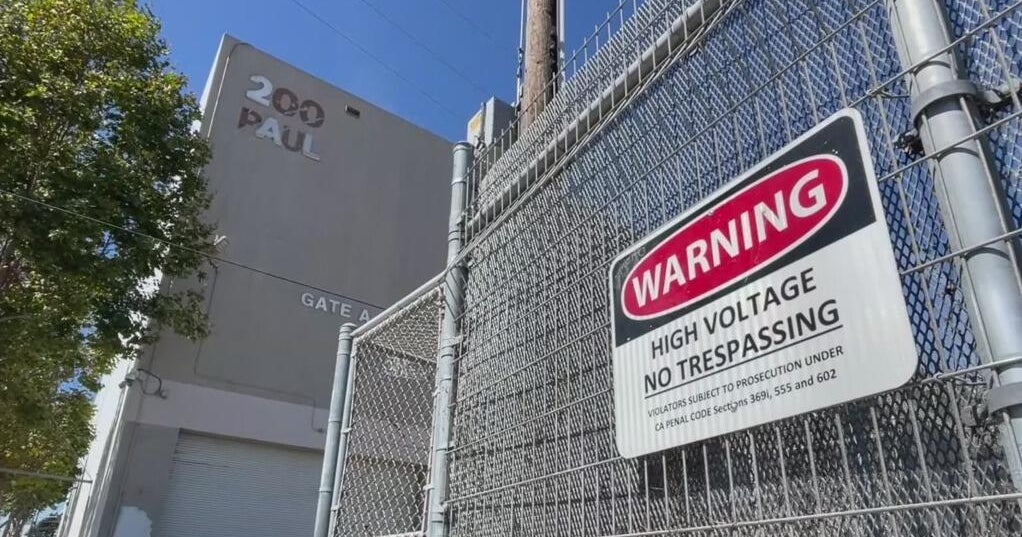
The bill's failure is a setback for Sen. Jon Husted, R-Ohio, who is facing a competitive re-election campaign and has been criticized for his support of data centers.451112
The vote highlights the ongoing struggle between both parties to address rising living costs as the midterms approach, with Democrats facing potential backlash for blocking a measure that had bipartisan support in the House.
Sen. Martin Heinrich proposed an alternative bill, arguing that Congress needs to pass legislation with real enforcement mechanisms to effectively tackle energy prices.
“The bill, which passed the House 417-3, would only require state regulators to 'consider' cost standards, prompting Schumer to call it 'optional' and demand mandatory rules. Husted, facing Sherrod Brown in a competitive Ohio race, had pushed for the vote after an NRSC memo warned data centers are 'the anchor hanging around Husted's neck.'”
 CBS News