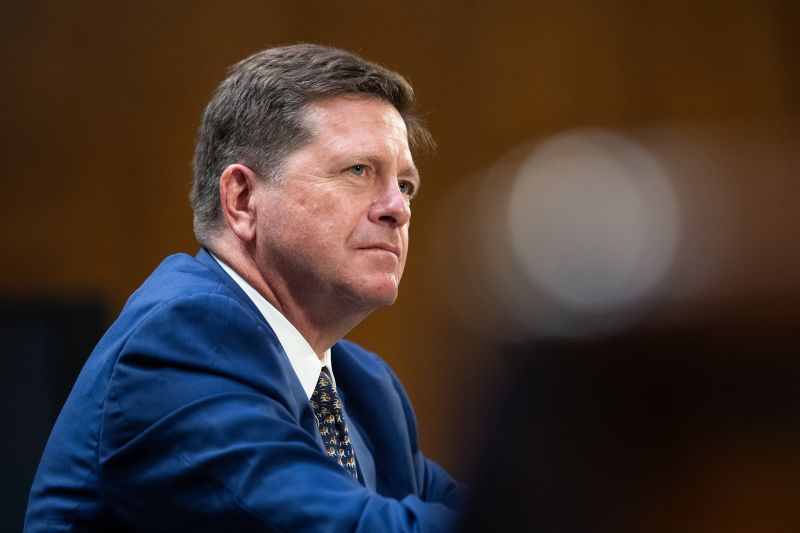
- Jay Clayton, President Donald Trump’s pick to lead the US intelligence community, was confirmed in a 51-47 vote on Tuesday night, stepping into a role at a time when the office's authority is at a historic low point.
- Clayton's confirmation comes as the Senate voted in a party-line decision that could help address a key surveillance authority that has lapsed for over six weeks.
- Senate Majority Leader John Thune expressed hope that Clayton's confirmation would encourage colleagues to stop blocking the reauthorization of the Foreign Intelligence Surveillance Act.
- Clayton, whose legal career focused on corporate law and who served as a US attorney under Trump, faces the challenge of leading an organization that has struggled with its mandate amid political pressures.
- Sen. Mark Warner, the top Democrat on the Senate Intelligence Committee, expressed concerns about Clayton's ability to resist political pressure, stating he has serious reservations about whether Clayton would stand up when it matters most.
- Despite Clayton's confirmation, the extension of the spy statute is likely to remain lapsed for a while longer.
Jay Clayton, confirmed as the director of national intelligence with a narrow 51-47 Senate vote, faces a daunting task in revitalizing an agency whose authority has waned significantly.1
Clayton, previously a corporate lawyer and U.S. attorney, steps into a role that has been targeted by political narratives, particularly from President Trump and his allies, who labeled it a part of the so-called “Deep State.”4
The agency's challenges are compounded by recent staff reductions, with reports indicating that approximately 30% of the workforce has been cut. This comes as the Senate seeks to reauthorize the Foreign Intelligence Surveillance Act, which has lapsed for over six weeks.3
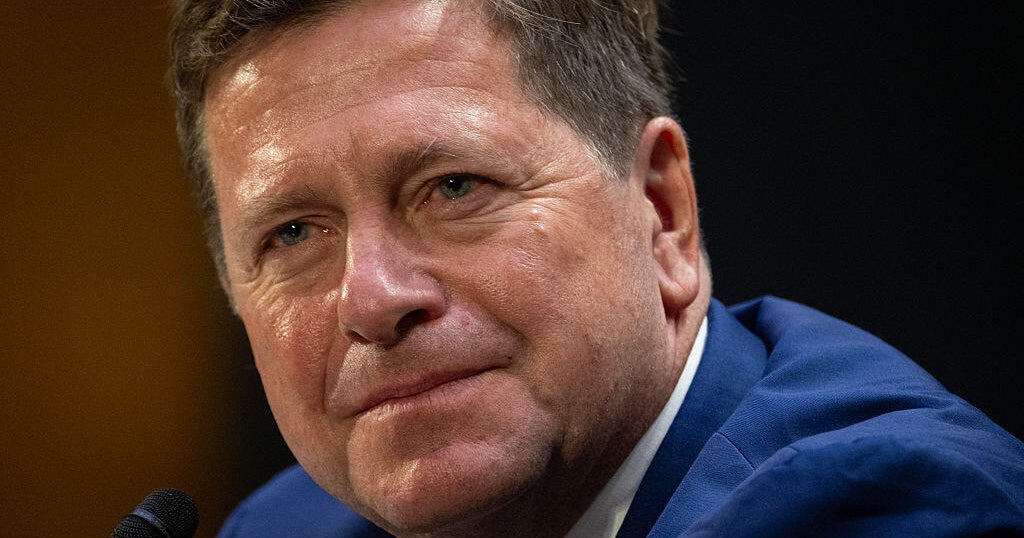
Senate Majority Leader John Thune expressed hope that Clayton's confirmation would pave the way for the reauthorization of this critical surveillance authority. However, Sen. Mark Warner, the top Democrat on the Senate Intelligence Committee, voiced concerns about Clayton's ability to resist political pressures, stating, “I came away from his confirmation process with serious reservations about whether he would be willing to stand up to political pressure when it matters most.”56
As Clayton begins his tenure, the future of the intelligence community's authority remains uncertain, with the potential for ongoing political influence looming large.
“Clayton inherits a diminished office with its authority at a historic low, as Senate Majority Leader John Thune hopes his confirmation will help reauthorize the Foreign Intelligence Surveillance Act. However, concerns remain about Clayton's ability to resist political pressures, as expressed by Sen. Mark Warner.”
 CBS News



