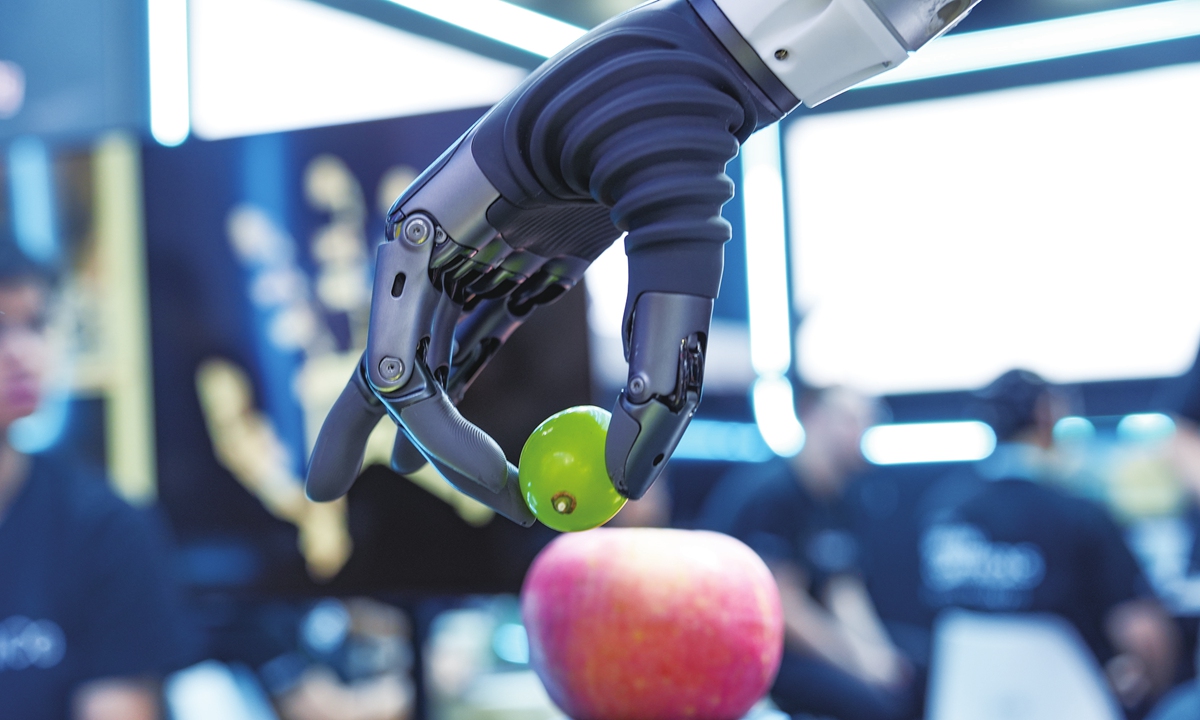
- China's mature component ecosystem is a key driver of its robotics boom, with Alexander Verl, a professor at the University of Stuttgart, noting that China has "a real ecosystem for all these drives, electronics, controllers, and everything, which is really important for the long-term success."
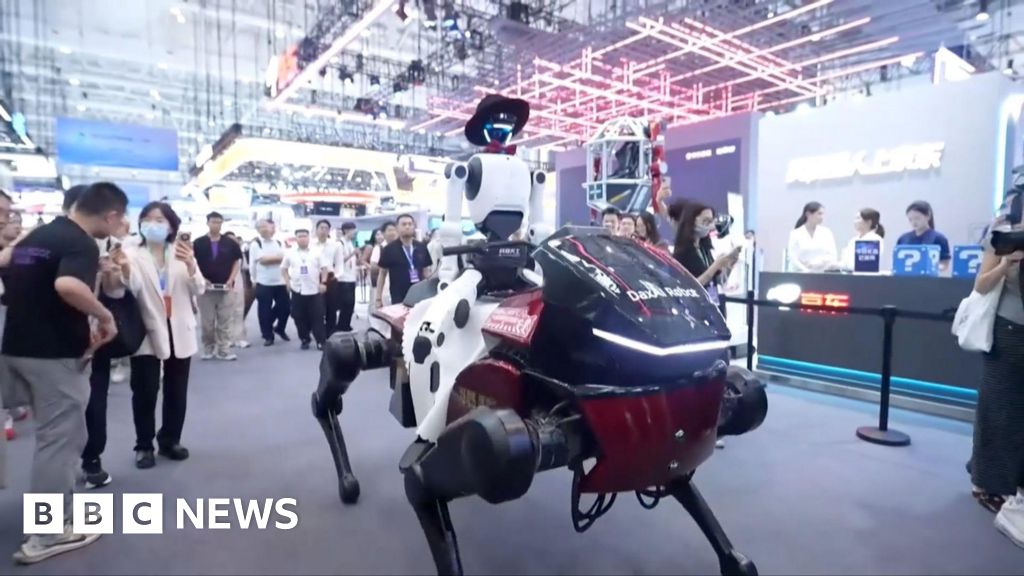
- This ecosystem enables China to pioneer robot applications beyond traditional manufacturing, reaching into logistics, construction, and even wood processing.
- Shanghai-based EYOU Robot sold 95,000 integrated robot joints in 2025 and expects to ship more than 1 million this year, according to brand director Gu Jinghai at the 2026 World Robot Conference (WRC) in Beijing.
- The JT128 sensor, unveiled at the conference, is purpose-built for robotics, offering an ultra-hemispherical field of view in a compact housing that eliminates blind zones, and has been adopted by robot makers such as Unitree Robotics and Galbot.
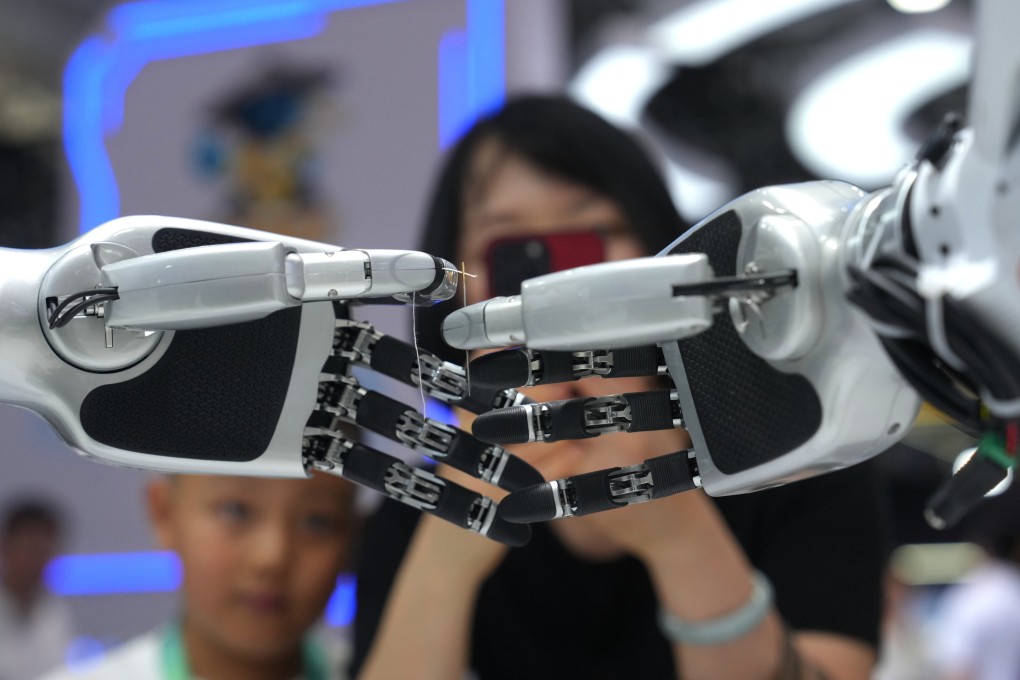
- The Y-Hand M2 from Beijing's Yue Quan Bionics features 38 degrees of freedom, a bionic tension-compression structure, 330 newtons grip strength, and 0.04 mm fingertip positioning repeatability.
- Dexterous hand prices have fallen sharply: models with fewer than 10 degrees of freedom now sell in the thousand-yuan range, while high-end hands that cost tens of thousands a few years ago now go for around 10,000 yuan ($1,490).
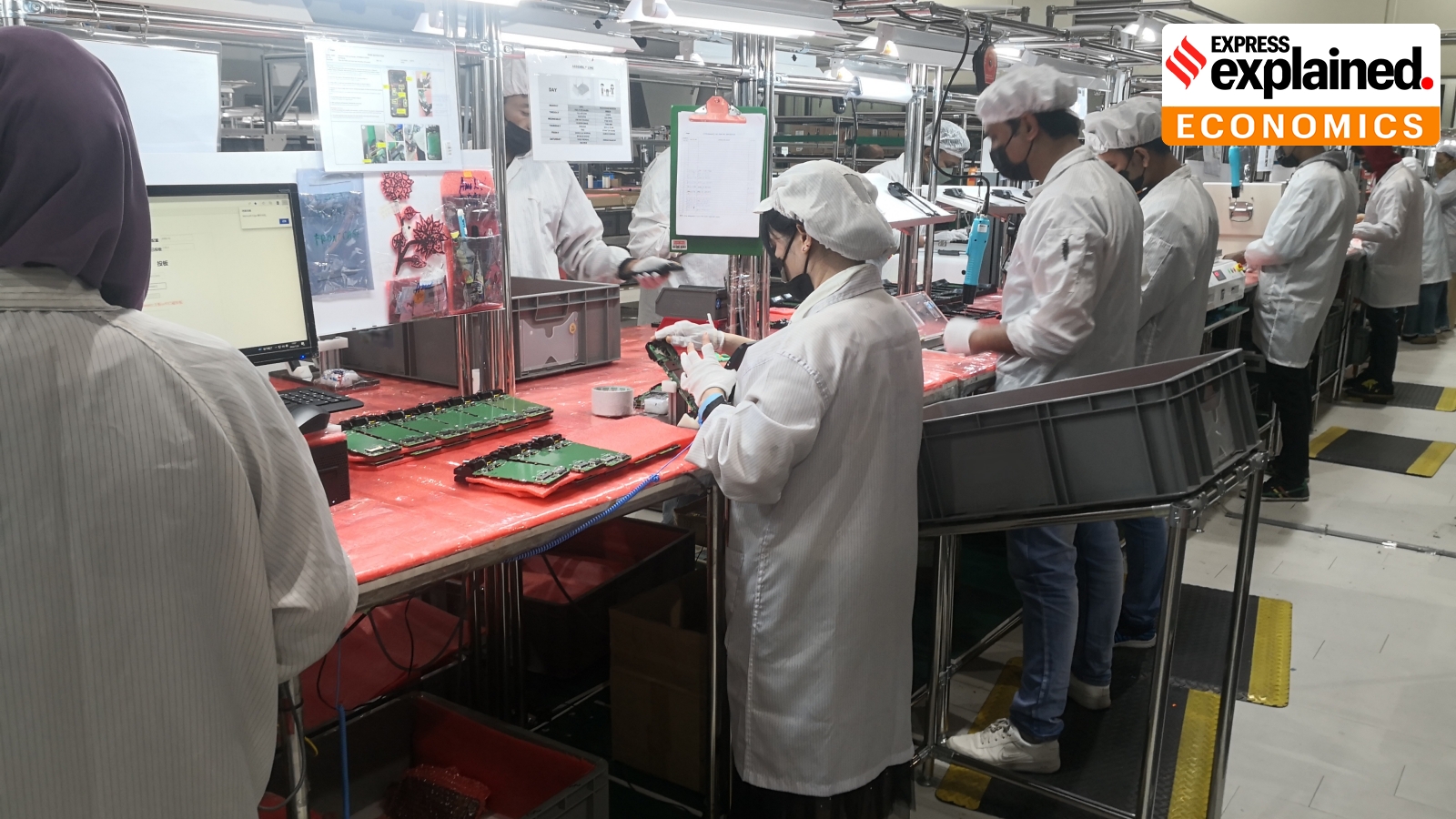
- Local sourcing is strong: Zhao Tongyang, founder of Shenzhen-based EngineAI, said that in Shenzhen, about 80% of core components and their factories are within a 10-kilometer radius, while in the Yangtze River Delta, robot joints "can basically reach 100% domestic sourcing," according to Gu.
- In Anhui Province, a cluster is forming around an automotive base: Wuhu alone has 3,000 to 4,000 parts suppliers across three tiers, said Zhang Guibing, executive vice president of Chery Automobile and general manager of its robotics unit. He estimates that roughly 70% of automotive capabilities can be transferred to robotics, and Chery's robotics arm is the first in China to migrate its entire supply chain into automotive parts suppliers.
China's robotics industry is experiencing a significant boom, fueled by a robust component ecosystem that supports innovation across various sectors.
At the recent World Humanoid Robot Games in Beijing, advancements were showcased, including the Y-Hand M2 from Yue Quan Bionics, which features 38 degrees of freedom and a grip strength of 330 newtons.6
The JT128 robot joint, unveiled by EYOU Robot, is designed for seamless integration into robotic applications, boasting an ultra-hemispherical field of view.345
According to Gu Jinghai, the brand director of EYOU Robot, the company sold 95,000 integrated robot joints in 2025 and anticipates shipping over 1 million this year.
The ecosystem in China allows for 80 percent of core components to be sourced locally, with regions like the Yangtze River Delta achieving nearly 100 percent domestic sourcing.
Zhang Guibing from Chery Automobile noted that 70 percent of automotive capabilities can be adapted for robotics, highlighting the industry's potential for growth.101112
As the robotics sector expands, prices for dexterous hands have significantly decreased, making advanced technology more accessible.
The convergence of robotics and automotive supply chains is paving the way for future innovations in China’s manufacturing landscape.
“EYOU Robot sold 95,000 integrated joints in 2025 and expects to ship over 1 million this year, while dexterous hand prices have fallen to around 10,000 yuan ($1,490). In Shenzhen, 80% of core components come from within a 10-kilometer radius, and Chery's robotics arm is the first to migrate its entire supply chain to automotive parts suppliers.”