- Magnitude 7.4 earthquake strikes Colombia, killing 265 people, injuring over 3,500, and leaving nearly 500 missing, according to local authorities.
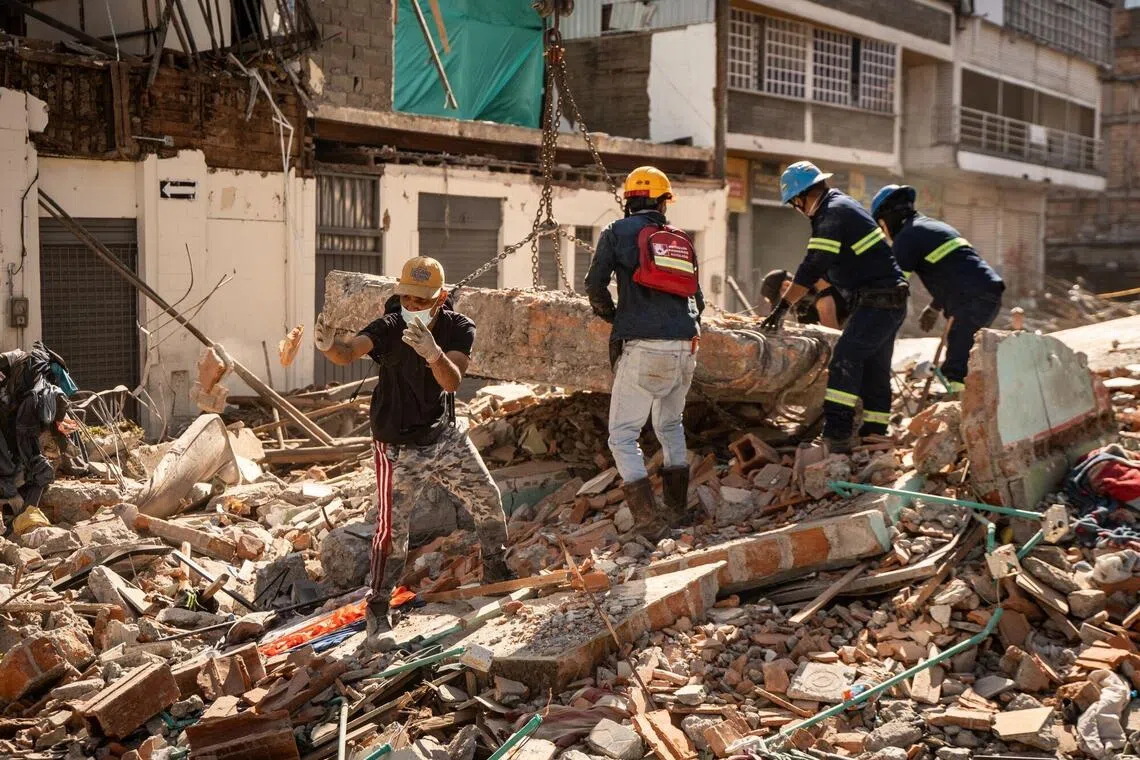
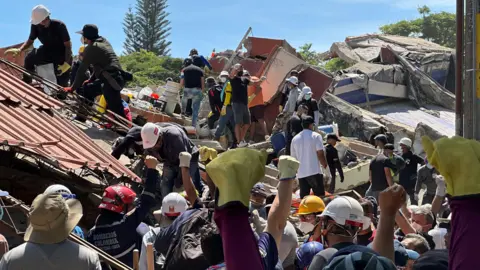
- In Cali and Pereira, emergency crews prepared to work through a third night with their bare hands, cranes, and sniffer dogs, stopping to listen for signs of life.
- Rescue efforts continue as officials declare the operation entering the 'final phase' as the 72-hour mark approaches.
- In Pereira, rescuers detect possible signs of life from trapped street vendor Pablo Loaiza, who responds to knocks.
- Colombia's president has declared an 'economic emergency' and announced three days of national mourning.
- According to official figures, more than 11,000 dwellings have been destroyed and thousands of families have been rendered homeless. Many have already spent consecutive nights outdoors, either because their homes were damaged or because they feared aftershocks.
Colombia's earthquake rescue operations have entered a critical 'final phase' as the death toll reaches 265 from the devastating 7.4 magnitude quake, the strongest in the country this century.3
The quake has injured over 3,500 individuals and left nearly 500 missing, according to local authorities.1
In Pereira, rescuers are focusing on a collapsed bakery where they believe street vendor Pablo Loaiza may still be alive beneath the rubble. Using specialized equipment, they detected possible signs of life, prompting anxious relatives to gather outside the wreckage.45
Relatives reported that Loaiza appeared to respond to rescuers' calls by knocking twice, then three times, which drew applause from the crowd.

As the critical 72-hour window for finding survivors approaches, Cali Mayor Alejandro Eder emphasized the urgency, stating, "We're entering the final phase. That doesn't mean there won't be survivors afterwards, but it is more difficult."
Emergency crews in Cali and Pereira are prepared to work through a third night, employing cranes and sniffer dogs to search for life. Volunteer rescuer Johana Sanchez noted that three people have been pulled out alive and three dead so far.2
In response to the disaster, Colombia's newly installed president has declared an "economic emergency" and announced three days of national mourning, vowing to support recovery efforts.6
Official figures indicate that more than 11,000 homes have been destroyed, leaving thousands homeless, many of whom have spent consecutive nights outdoors due to damaged homes or fear of aftershocks.78
“In Pereira, crews using vibration-detecting equipment picked up possible signs of life from Pablo Loaiza, who appeared to respond to knocks, drawing applause from relatives. The quake, the strongest this century, has destroyed over 11,000 dwellings, prompting the president to declare an 'economic emergency' and three days of mourning.”