- Scientists have discovered a new species of wild cat for the first time in more than a century, according to a Bolivian researcher.
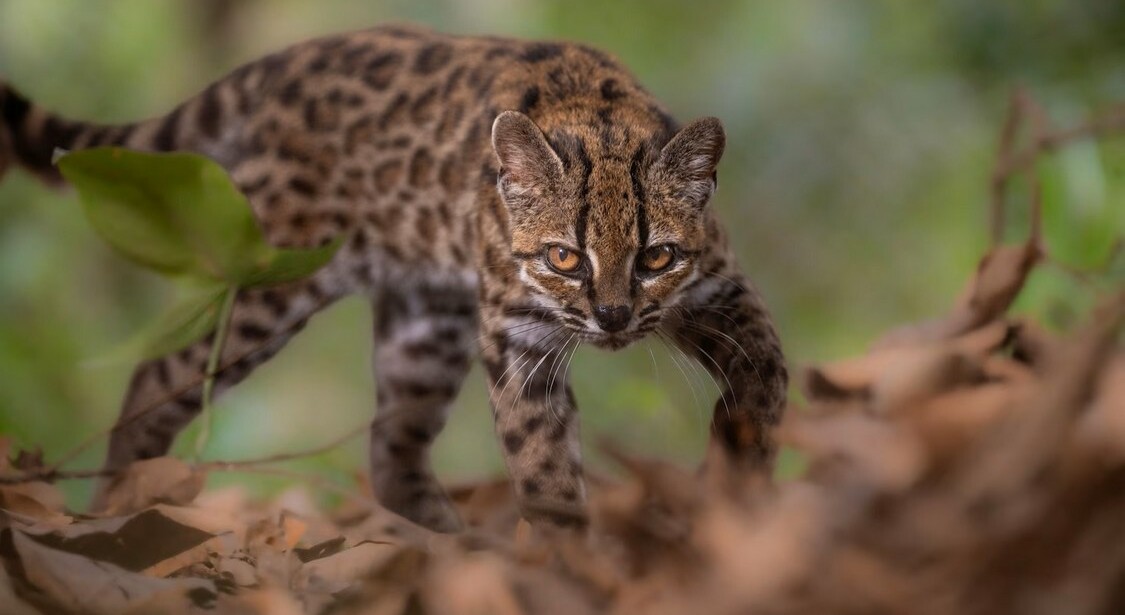
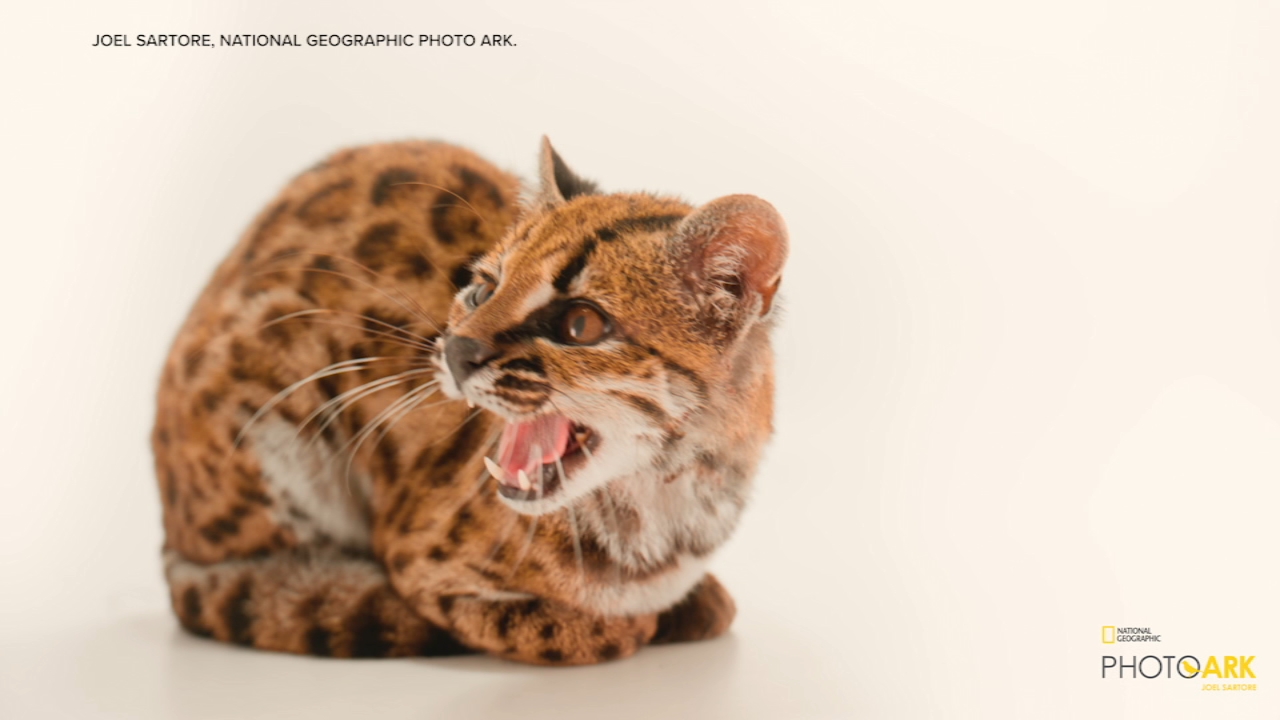
- The new species, named the Tilcayo tiger cat, is a small feline with a spotted, leopard-like coat found in the Yungas region near La Paz.
- The tilcayo is the first feline discovered since the Uruguayan pampas cat in 1923.
- The study, published in the journal Current Biology, established that the small, spotted cat inhabiting the cloud forests of Bolivia's Yungas region belongs to a previously unidentified evolutionary lineage.
- The individual that led scientists to the new species was found about a decade ago as a kitten along a road near a forest; a local resident took it home after mistaking it for a domestic cat, later transferred it to the Senda Verde wildlife sanctuary, and in 2016 the sanctuary contacted Bolivian biologist Paola Nogales-Ascarrunz.
- A pair of tilcayos, the only such creatures found so far, have undergone whole genome sequencing.
- Scientists still do not know the size of the tilcayo population or many details about its diet, reproduction and behavior, and researchers are installing camera traps in the Yungas, where deforestation, agricultural expansion and mining threaten its habitat.
Scientists have formally identified a new wild cat species native to Bolivia, the Tilcayo tiger cat, marking the first description of a completely new feline species in over a century.345
The species, scientifically named Leopardus tilcayo, was discovered in the mountainous Yungas region near La Paz.61213
Paola Nogales-Ascarrunz, a biologist and National Geographic explorer, noted that locals initially mistook the small feline for an ordinary house cat. The tilcayo measures about 18 inches in length and weighs roughly 3 pounds, making it smaller than an average domestic cat.78910
The cat has a spotted, leopard-like coat and rounded ears, with large, irregular rosette-shaped markings.
The discovery is significant as it does not involve reclassifying a known subspecies; instead, it identifies a cat that had never received its own scientific designation.

The tilcayo diverged from related tiger cats approximately 1.4 million years ago, according to genomic analysis.
Currently, only a pair of tilcayos have been identified, with one male residing in an animal shelter after being rescued, while a female was released into the wild.
The species is classified as vulnerable to extinction, with its population size and ecological details still largely unknown.
Researchers are installing camera traps in the Yungas to monitor the species, as habitat threats from deforestation, agricultural expansion, and mining loom large.
“The tilcayo, measuring about 18 inches and weighing 3 pounds, is smaller than a domestic cat and has been classified as vulnerable to extinction. Researchers compared genomes from 38 Leopardus members, finding the species diverged 1.4 million years ago and is only found in Bolivia.”

 CBS News