Sources: 
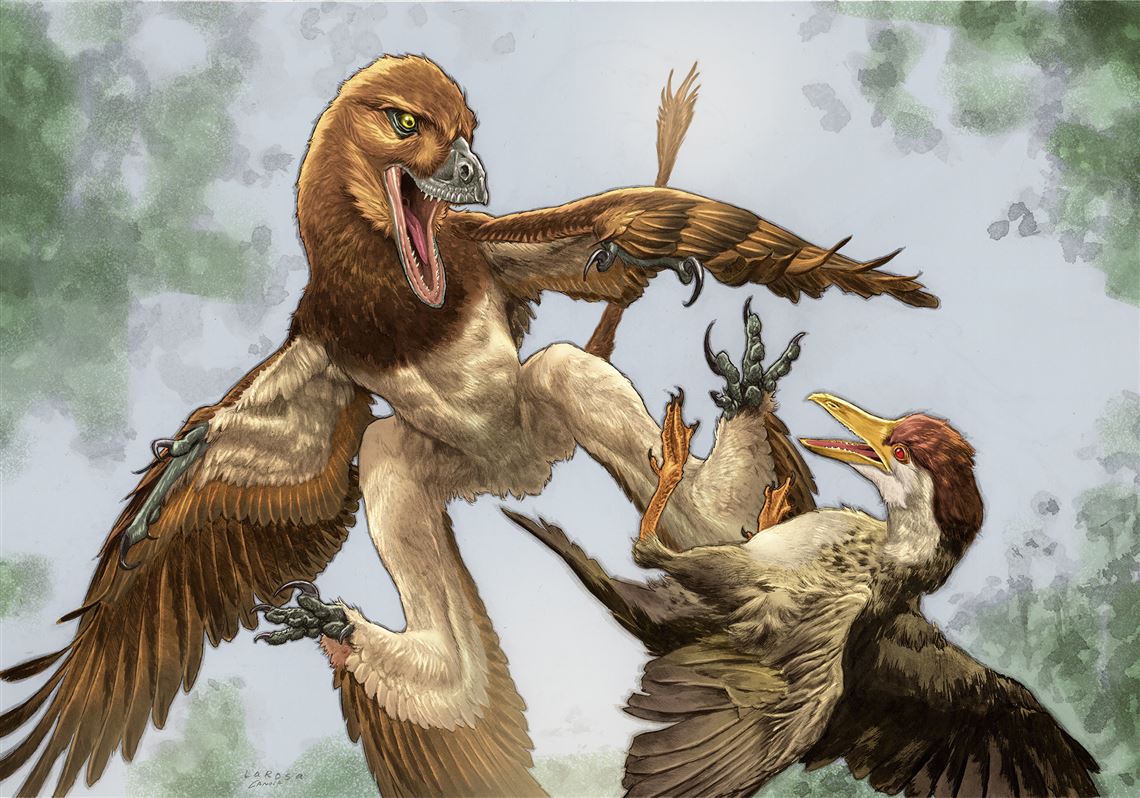
Jian changmaensis, a newly identified microraptor species, emerged from a fossil discovery in the Changma Basin of northwestern China, dating back
120 million years. This dinosaur, approximately the size of a
barn owl, glided through trees and likely preyed on early birds like
Gansus yumenensis.
Described in a study published in the
Annals of Carnegie Museum, Jian exhibits a four-foot wingspan, allowing it to glide between trees in its arboreal habitat. Although not capable of powered flight, Jian resembles modern gliding animals such as flying squirrels. According to lead scientist Carey Miller, the finding contributes significantly to our understanding of
non-avian dinosaurs and their ecological roles during the Cretaceous Period: “This remarkable discovery represents a meaningful contribution to our understanding of life on Earth.”
As the only known carnivorous dinosaur from this site, it lived alongside ancient birds, highlighting the complex food web of its ecosystem. Notably, Jian may have hunted smaller birds, filling a predatory niche early in the evolutionary timeline of
theropods and birds. This discovery not only sheds light on the dietary habits of these prehistoric creatures but also strengthens our knowledge regarding the evolutionary transition from dinosaurs to modern birds. As paleontologist Jingmai O'Connor notes, the finding broadens the geographic range of these gliding dromaeosaurids, suggesting they were widespread during their era.
The fossil, excavated in
2008, offers new insight into the evolution of flight and highlights the unique adaptations seen in the dinosaur lineage that preceded the avian beings we recognize today.
Sources: 
Scientists have identified a new dinosaur species named Jian changmaensis, a cousin of Velociraptor, known for its ability to glide on four wings and hunt early birds. Discovered in northwestern China, this 120 million-year-old predator helps fill gaps in the evolutionary history of theropods and modern birds.