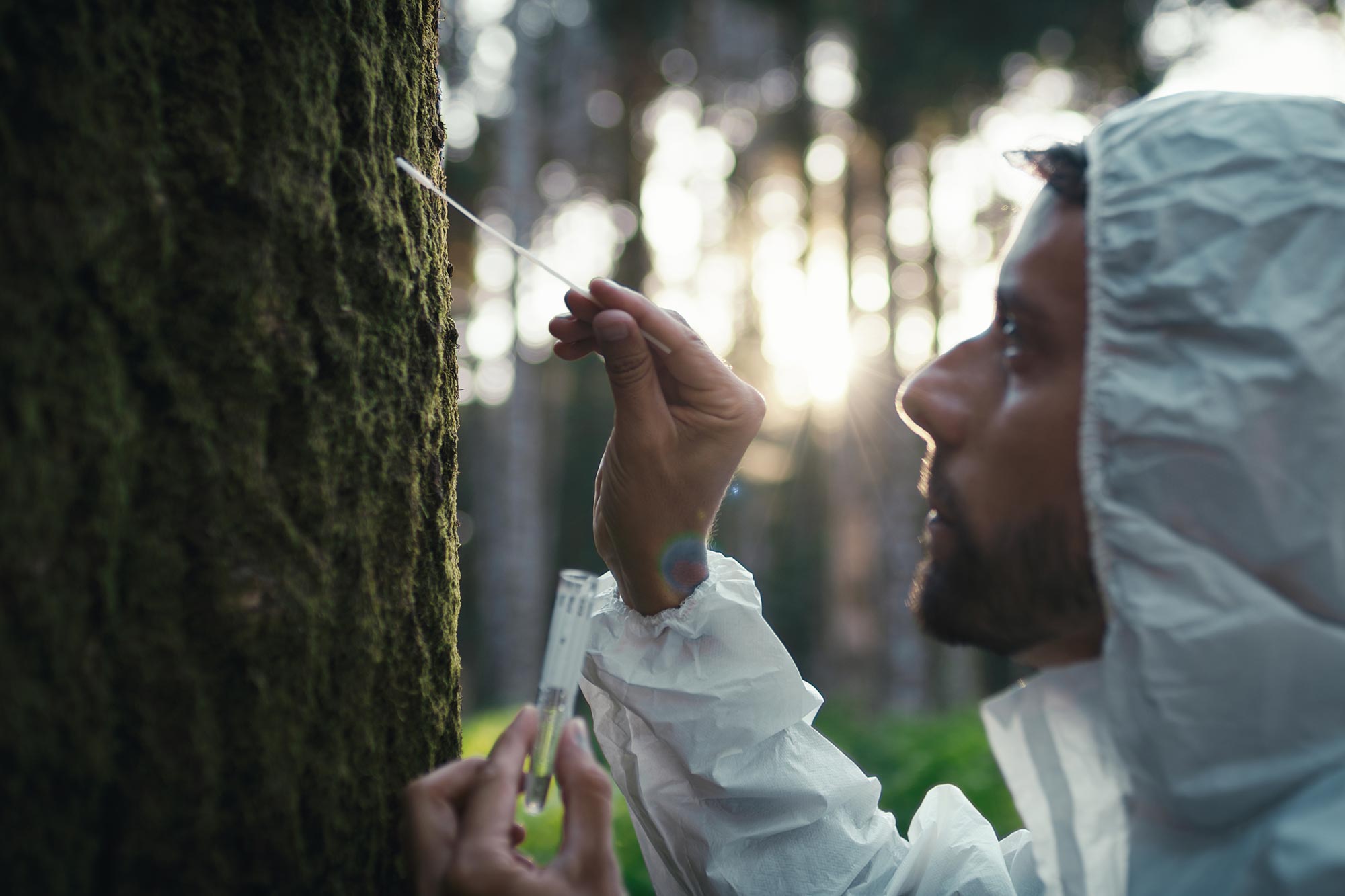
- Scientists have discovered evidence of fungi hiding inside moss cells, which could reshape our understanding of plant evolution.
- The evidence, published in New Phytologist, points to a relationship that has not previously been documented in mosses.
- For decades, scientists believed that all 10,000 known moss species lived without this kind of fungal partnership.
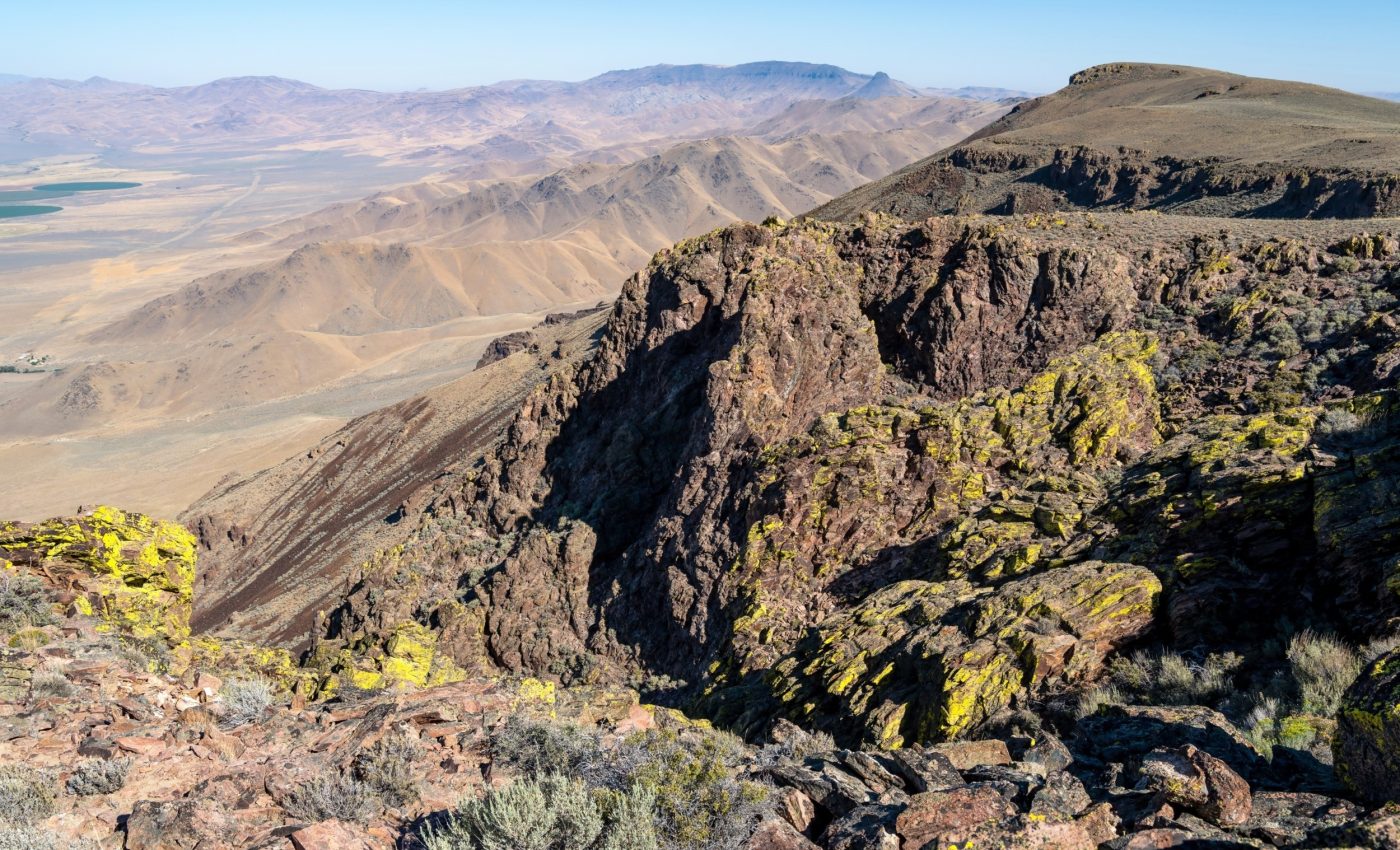
- Kian Kelly, a doctoral researcher, focused on mosses growing in biological soil crusts in California's desert landscapes.
- The most unexpected finding was the presence of mycorrhizal fungi, which are known to depend on plant partners.
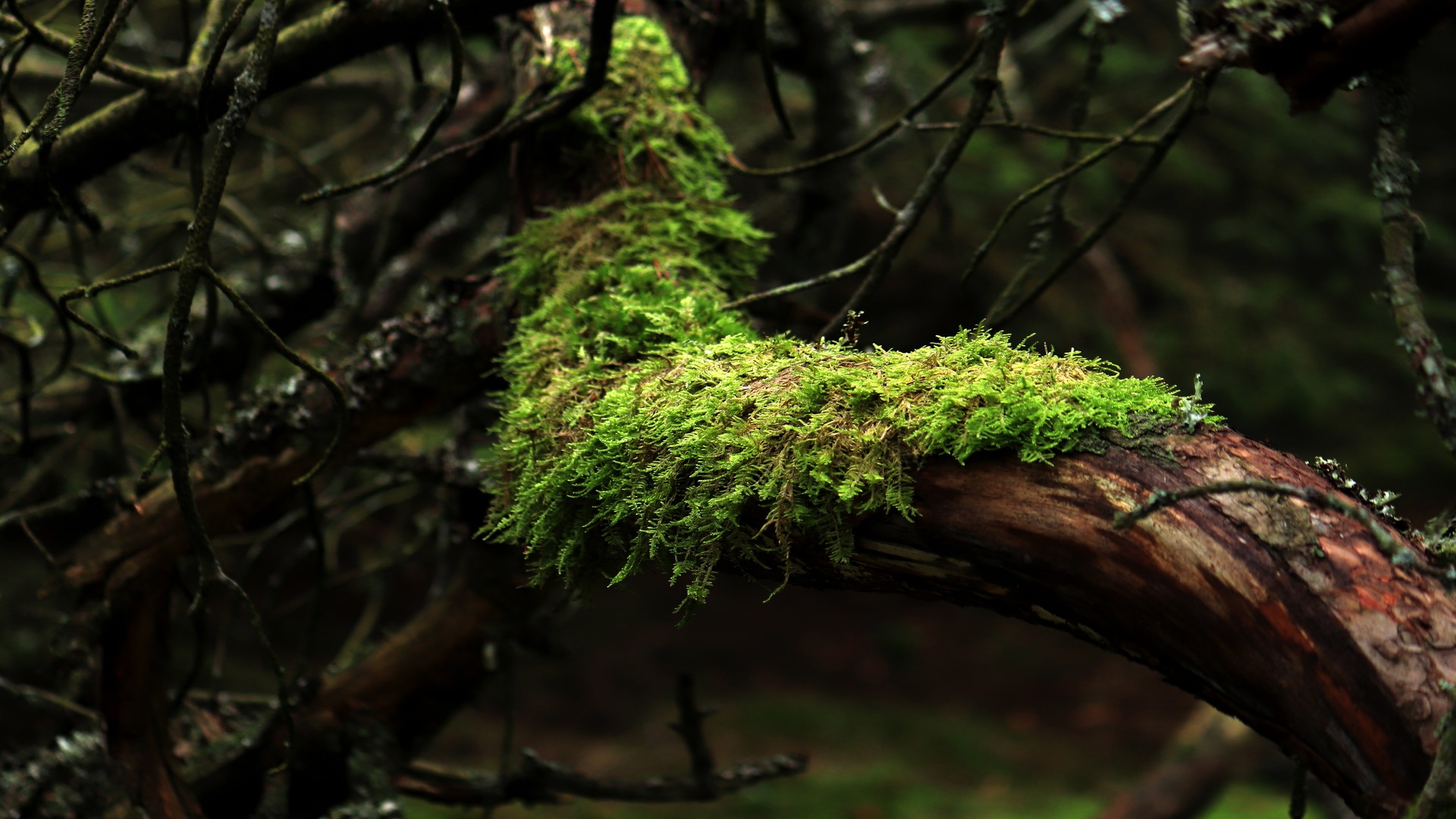
- Inside the cells of the moss species Trichostomopsis australaceae, branching fungal structures appeared within individual leaf cells.
- This finding suggests that if mosses can host mycorrhizal fungi, it could change how researchers think about the early evolution of plant-fungal relationships.
- Researchers identified fungal DNA living inside the moss tissue, surprising them with the discovery of mycorrhizal fungi.
- Furthermore, the fungi inside desert moss differed from those living inside mosses from more temperate climates.
- Mosses have long been treated as an exception in the study of plant-fungal relationships.
- This discovery might help science look back at the relationships that enabled life to survive on land.
- Many desert mosses are under threat, and conservationists might be able to better protect them with fungal boosts.
Scientists have uncovered a groundbreaking relationship between desert mosses and mycorrhizal fungi, challenging the long-standing belief that mosses lack such partnerships. This discovery, detailed in a study published in New Phytologist, reveals that these fungi, which depend on plant partners, can thrive within the cells of desert moss species like Trichostomopsis australaceae.1011
Kian Kelly, a doctoral researcher, conducted extensive fieldwork in the Mojave and Sonoran deserts, where he found that mosses growing in biological soil crusts hosted mycorrhizal fungi, specifically arbuscular mycorrhizal fungi (AMF). “The most unexpected finding was the presence of mycorrhizal fungi, which are known to depend on plant partners,” Kelly stated.45
The study revealed that the structures formed by these fungi resembled arbuscules, the tree-like formations typically found in plant roots. “If it can be scientifically proven that mosses and fungi team up, it could assist climate scientists in understanding how global shifts will affect this ancient land life,” Kelly added.
Interestingly, the fungi found in desert moss differed from those in more temperate climates, suggesting a unique adaptation to harsh conditions. “This discovery might help science look back at the relationships that enabled life to survive on land,” researchers noted.8
As many desert mosses face threats from climate change, understanding these fungal partnerships could lead to better conservation strategies, potentially using fungi to enhance moss resilience in warming desert landscapes.12
“A new study published in New Phytologist reveals that desert mosses host mycorrhizal fungi, challenging long-held beliefs about their evolution. This finding could change how researchers view early plant-fungal relationships and aid in conservation efforts.”
