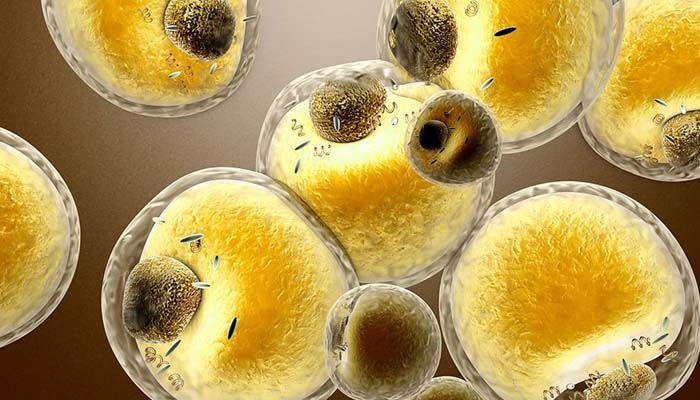
- Scientists discovered a fat metabolism switch in human cells for the first time, referring to the protein MTCH2 known as Mitch.
- Researchers identified the protein MTCH2, nicknamed Mitch, that acts as a switch controlling whether the body stores fat or burns it for fuel.
- The discovery could lead to obesity treatments that burn fat without losing muscle, as shown in mice.
- The research was motivated by side effects of GLP-1 drugs like Ozempic, which cause bone and muscle loss, leading researchers to seek natural weight management alternatives and identify the protein MTCH2 (Mitch).
- While still far from treatment, the findings reveal a pathway influencing energy use and fat storage, and targeting Mitch could offer a new obesity strategy.
- The discovery may help preserve healthy muscle while reducing excess body fat, addressing a key challenge of current weight loss therapies.
Scientists at the Weizmann Institute of Science have identified a protein called MTCH2, or 'Mitch,' that plays a crucial role in fat metabolism. This protein determines whether cells store fat or burn it for energy, offering a potential breakthrough in obesity treatment.124567
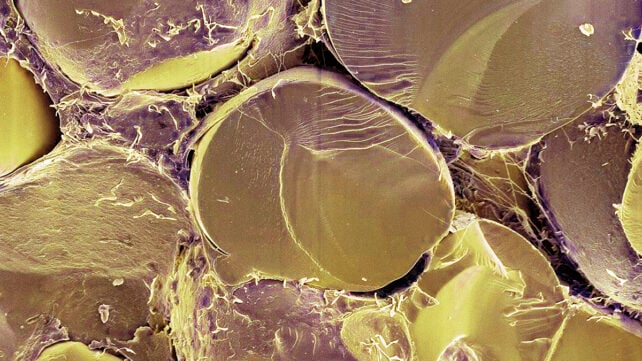
In their research, when Mitch was turned off in human cells, those cells burned more fat and carbohydrates, leading to increased energy use and a significant reduction in the formation of new fat cells. Biologist Atan Gross noted, "We discovered that deleting Mitch led to a major drop in fats in membranes." This suggests that targeting Mitch could allow for fat burning while preserving muscle, a significant advantage over current weight-loss drugs that often result in muscle loss.
Previous studies in mice indicated that the absence of Mitch not only prevented obesity but also improved stamina and endurance. “We saw an increase in cellular respiration, the process in which the cell produces energy from nutrients, such as carbohydrates and fats, using oxygen,” said biologist Sabita Chourasia. The findings reveal that without Mitch, cells focus on burning fat as an energy source, effectively utilizing fatty building blocks around cell membranes.

The research highlights a powerful biological pathway influencing energy use and fat storage, with the potential to address the challenges of modern weight loss therapies. “Our findings demonstrate that MTCH2 knockout induces a hypermetabolic state,” the researchers stated, indicating a shift in cellular energy flow that could lead to innovative obesity treatments in the future.
“The protein, named MTCH2 and nicknamed 'Mitch,' was identified by researchers at the Weizmann Institute of Science. Without Mitch, mitochondria break into smaller, less efficient units, forcing cells to burn more fat for fuel, a mechanism that could simultaneously tackle fat storage and burning while avoiding the muscle loss caused by drugs like Ozempic.”
 Jang
Jang ScienceAlert



