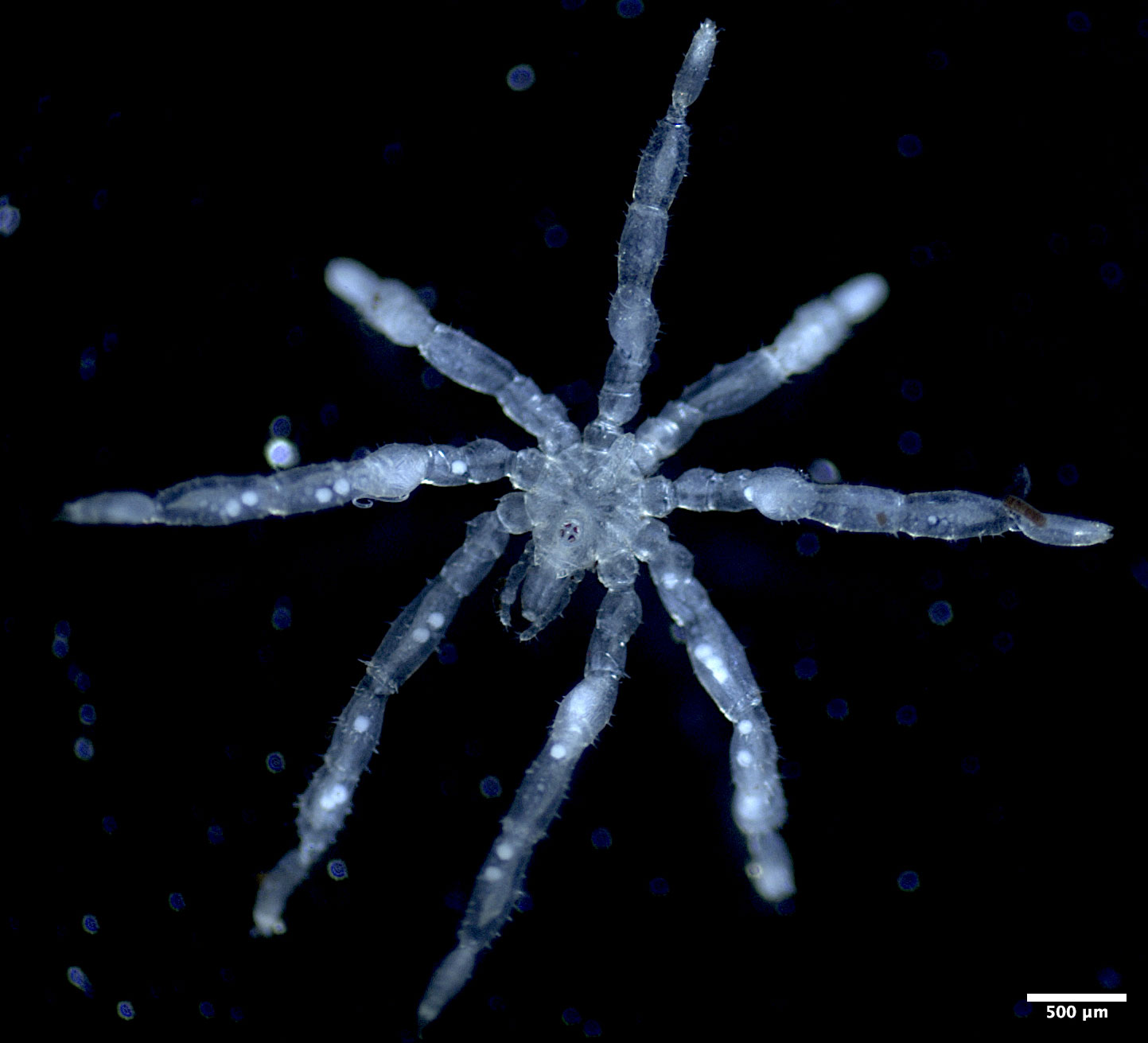
- Scientists exploring the South Atlantic Ocean have discovered 57 new marine species and five new genera.
- The discoveries were made during a two-week workshop that brought together 20 taxonomists and early-career researchers to study deep-sea biological samples.
- During the workshop, scientists identified 57 new marine species and five new genera, including Loki the sea cucumber, 20 copepods, 22 echinoderms, 14 cnidarians, and one scaphopod.
- The team logged their discoveries directly onto Ocean Census NOVA, the world's first open-access data platform for newly discovered marine species.
- The success of the discovery effort has led the team to plan a follow-up expedition in February and March 2027 to a different canyon.
- The workshop, which took place in July, brought together 20 taxonomists and early-career researchers from across the globe to examine deep-sea samples.
- The team used remotely operated vehicles and integrated taxonomic techniques to identify specimens.
- International cooperation in taxonomy is critical, especially in groups with few active specialists, according to Dr. Daniel Lauretta, principal investigator at CONICET.
- Dr. Michelle Taylor, Ocean Census head of science, stated that discovering 57 new species and five new genera in just two weeks demonstrates the speed and power of collaborative taxonomy.
- Dr. Jyotika Virmani, Schmidt Ocean Institute’s executive director, emphasized that these results show the power of international scientific collaboration.
- The upcoming expedition could potentially find even more new species and genera, furthering collaborative species discovery efforts.
Scientists exploring the South Atlantic Ocean have made significant discoveries, identifying 57 new marine species and five new genera during a two-week workshop.1239
The workshop, led by the Nippon Foundation-Nekton Ocean Census in partnership with the Schmidt Ocean Institute, brought together 20 taxonomists and early-career researchers to study deep-sea biological samples.6
Using remotely operated vehicles and integrated taxonomic techniques, the team logged their findings onto Ocean Census NOVA, the world’s first open-access data platform for newly discovered marine species.47
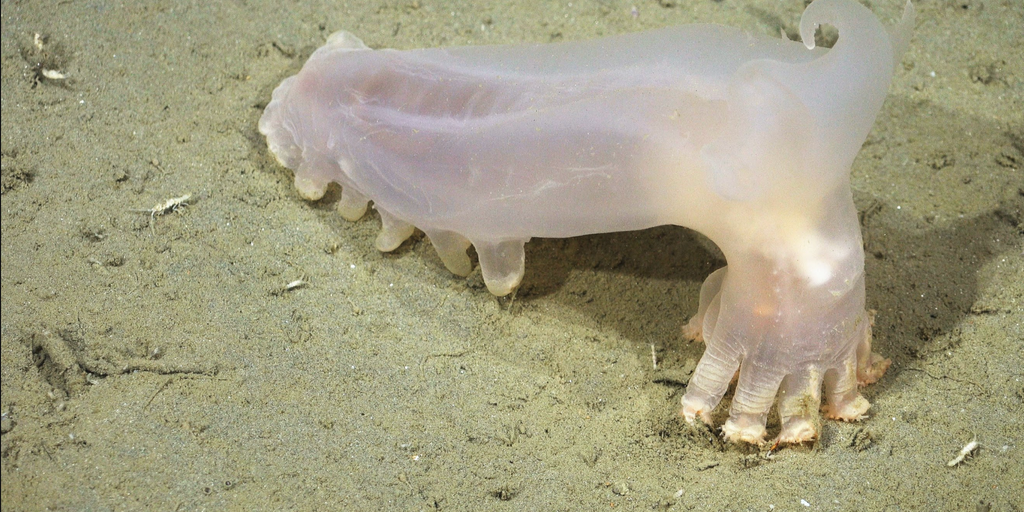
Among the notable discoveries was a striking deep-sea holothurian (sea cucumber) named “Loki” for its prominent horned appendages, along with 20 new species of copepods, 22 echinoderms, 14 cnidarians, and one scaphopod.
“Discovering 57 new species and five new genera in just two weeks demonstrates the speed and power of collaborative taxonomy,” said Dr. Michelle Taylor, Ocean Census head of science.
The success of this discovery effort has prompted plans for a follow-up expedition in February and March 2027 to explore a different canyon, with hopes of uncovering even more new species and genera.5
“International cooperation in taxonomy is critical, especially in groups with few active specialists,” noted Dr. Daniel Lauretta, principal investigator at CONICET and the Museo Argentino de Ciencias Naturales.8
The workshop not only accelerated species identification but also enhanced capacity building for local early-career taxonomists working on deep-sea fauna.
“The two-week workshop brought together 20 taxonomists and early-career researchers, who used remotely operated vehicles and logged findings on Ocean Census NOVA, the world's first open-access platform for new marine species. A follow-up expedition is planned for February and March 2027 to a different canyon, potentially yielding even more discoveries.”
 FOX Weather