- Researchers have built a compact energy storage cell that comes apart in minutes and gets rebuilt using most of its original parts, targeting the growing pile of electronic waste left behind by worn-out gadgets.
- The team, led by Tse Nga Ng and Nandu Koripally, published the work in . Their target was the electronics inside smartwatches, phones, and drones.
- After the flight test, the researchers dunked one supercapacitor in a mildly acidic, water-based solution. The layers separated within 30 minutes, cleanly enough to recover the carbon-fiber cathode intact. That single cathode then went on to power two additional supercapacitors, each rebuilt with a fresh solid electrolyte and a new zinc anode.
- Across the original device and both rebuilt versions, the recovered carbon fibers logged more than 172,000 charge-discharge cycles combined. Electrical performance held steady the entire time, according to the researchers, showing the recycling process didn't degrade the material's core function.
- Between them sits a solid electrolyte layer, a porous resin coated onto plastic film and soaked in a zinc chloride salt solution. Heat fuses it into a strong bond during assembly, but a mildly acidic liquid breaks the bond apart again during disassembly.
- The approach stands apart from most rechargeable battery recycling, which typically shreds components and extracts raw materials through energy-intensive chemical processing. Reusing intact parts, rather than breaking them down to base elements, could cut both the cost and environmental footprint tied to replacing worn-out storage cells in small electronics.
Researchers have built a compact energy storage cell that can be disassembled and rebuilt using most of its original components, targeting the growing issue of electronic waste from devices like smartwatches and drones.12
Instead of lithium, the team utilized zinc ions suspended in a water-based electrolyte, which is safer and non-flammable. The supercapacitor features a zinc metal-copper foil anode paired with a carbon-fiber cathode, separated by a solid electrolyte layer made from a porous resin.5671011
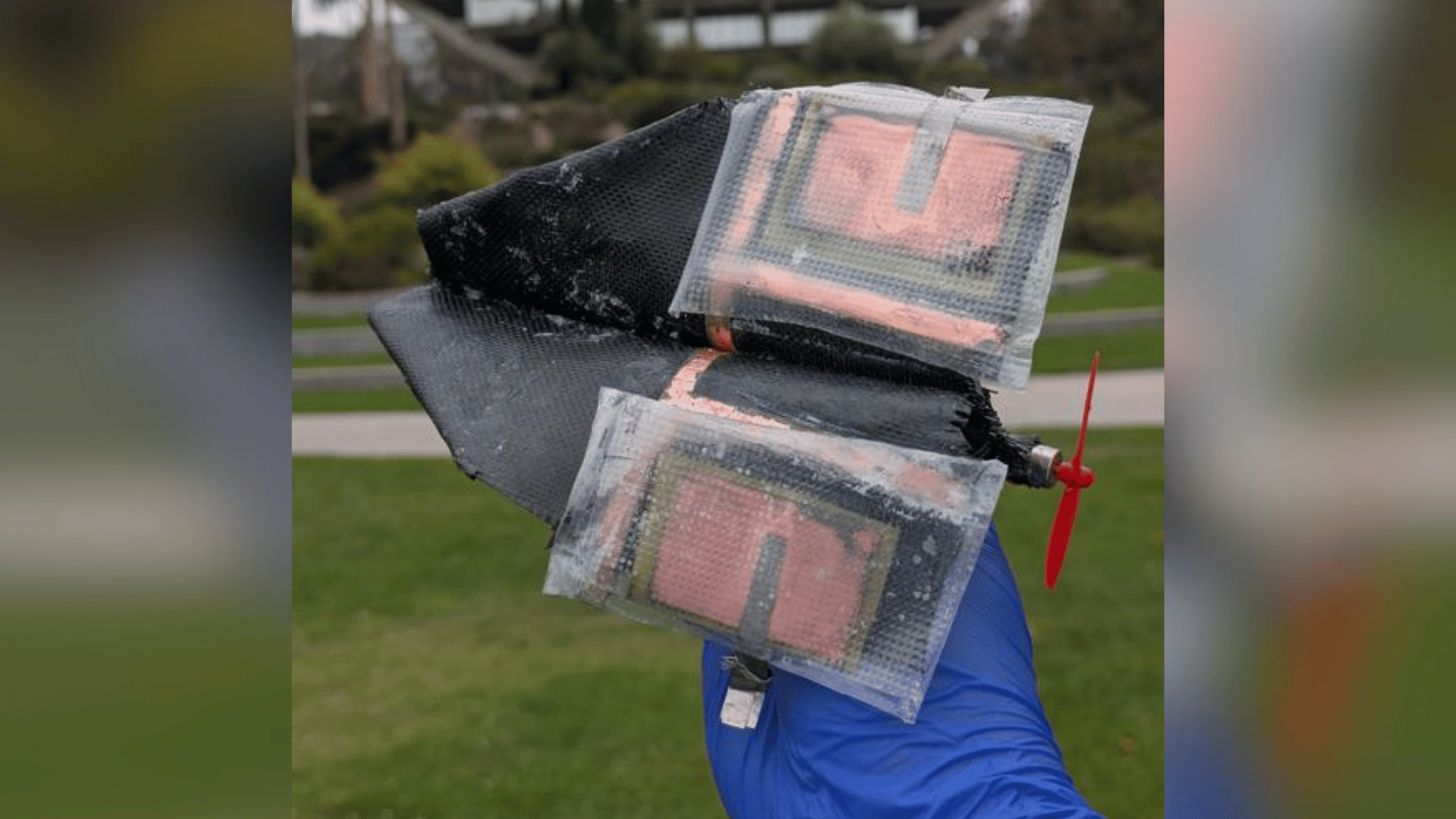
During assembly, heat fuses the components, while a mildly acidic liquid allows for easy disassembly. To demonstrate its practical application, the researchers integrated four supercapacitors into the wings of a small model glider.
When powered by the supercapacitors, the glider flew 12 feet (3.7 meters), compared to just 8 feet (3.4 meters) without the power source. After testing, one supercapacitor was submerged in a solution, allowing the layers to separate within 30 minutes, recovering the carbon-fiber cathode intact.
This single cathode was then used to power two additional supercapacitors, each rebuilt with new components. Across all devices, the recovered carbon fibers endured over 172,000 charge-discharge cycles without performance degradation, showcasing a significant advancement in sustainable energy storage solutions.89
This method contrasts sharply with traditional battery recycling, which often involves shredding components and energy-intensive chemical processing, potentially reducing costs and environmental impact.
“The team, led by Tse Nga Ng and Nandu Koripally, targeted electronics inside smartwatches, phones, and drones. The recovered carbon fibers logged more than 172,000 charge-discharge cycles combined, with steady performance, showing the recycling process didn't degrade the material's core function.”