- Saudi Arabia's defense spending reached $83 billion last year, making it one of the top ten military spenders globally, yet it struggles to protect key assets from Houthi attacks.
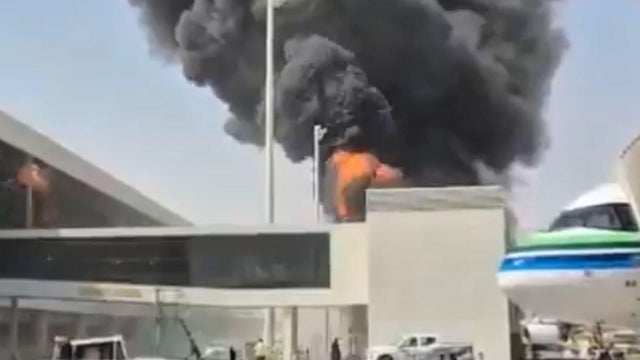
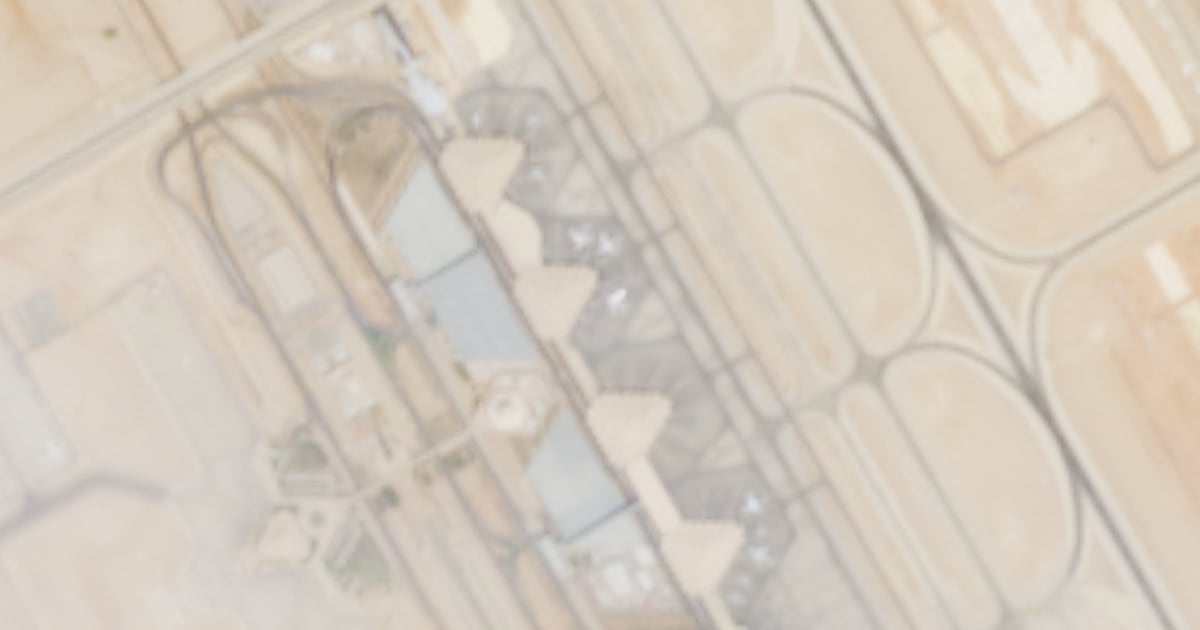
- Despite acquiring state-of-the-art weapons systems and possessing multi-layered air defenses, Saudi Arabia has faced deadly attacks on its main airport in Riyadh over the past week.
- Houthi missile strikes began in July after the group declared intentions to attack Saudi shipping in the Red Sea, initially targeting an Aramco oil refinery.
- On Monday, Saudi authorities intercepted three ballistic missiles, but some attacks have still managed to breach defenses.
- The Houthis have adapted their tactics, combining ballistic and cruise missiles with long-range drones to overwhelm Saudi defenses.
- Iranian Foreign Minister Abbas Araghchi offered assistance for talks between Saudi Arabia and the Houthis on Monday.
- Houthi official Mohammed al-Bukhaiti claimed that Riyadh accepted mediation but rejected truce proposals.
- This week, major corporations have shied away from the World Petroleum Congress in Riyadh, reflecting concerns over security.
- President Donald Trump stated he is evaluating whether the U.S. should join Saudi strikes against the Houthis.
- Seven years of conflict with Saudi Arabia between 2015 and 2022 caused immense suffering in Houthi-controlled parts of Yemen, leading to a humanitarian crisis.
- Saudi Arabia's military strategy has faced challenges as the Houthis have become a formidable fighting force, controlling roughly one-third of Yemen.
- Experts note that no single air defense system can guarantee interception of every incoming threat, highlighting vulnerabilities in Saudi defenses.
Saudi Arabia's $83 billion defense budget is failing to protect key assets from Houthi missile and drone attacks, despite the kingdom's advanced military capabilities. The Houthis have adapted their tactics, utilizing a combination of ballistic and cruise missiles alongside drones to exploit vulnerabilities in Saudi defenses.5
Recent assaults have targeted airports and oil facilities, resulting in at least 14 fatalities and forcing civilians to remain indoors. The Houthis, who control about one-third of Yemen, are leveraging asymmetric warfare strategies to disrupt the Saudi economy and instill fear within its society.
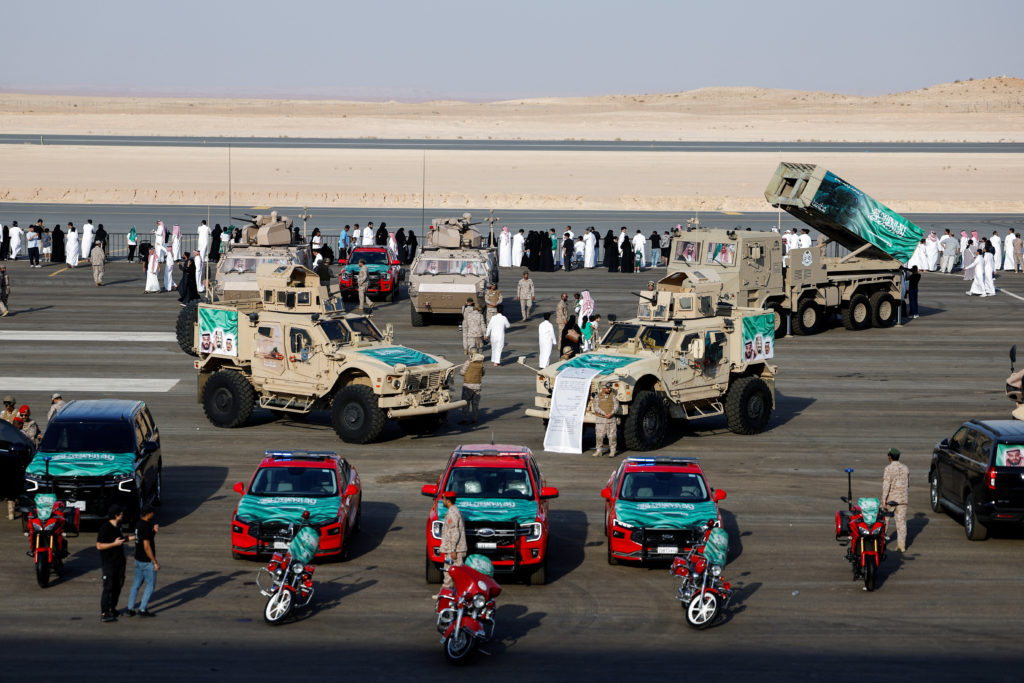
Experts note that the Houthi arsenal includes advanced missiles like the Hatem-2 and Palestine-2, which are similar to Iranian designs and capable of evading detection. The group has also modified Iranian air defense systems to enhance their offensive capabilities. “These missiles move around for a period of up to 25 minutes per missile and operate using a thermal-tracking system,” stated Brigadier General Majed al-Nazili, highlighting the sophistication of Houthi technology.12
Despite acquiring state-of-the-art weaponry, including Patriot and THAAD systems, Saudi Arabia is reportedly running low on interceptors and has sought assistance from allies. However, regional partners like Pakistan and Turkey have been hesitant to provide substantial support. The ongoing conflict underscores the challenges faced by Riyadh in countering a determined adversary that has significantly increased its military capabilities since the onset of the civil war in Yemen.
“Saudi Arabia spent $83 billion on defense last year, yet Houthi attacks have killed at least 14 people and forced schools and businesses to work from home. The Houthis have encircled Taiz and now demand billions in compensation and an end to Saudi airstrikes in Yemen.”