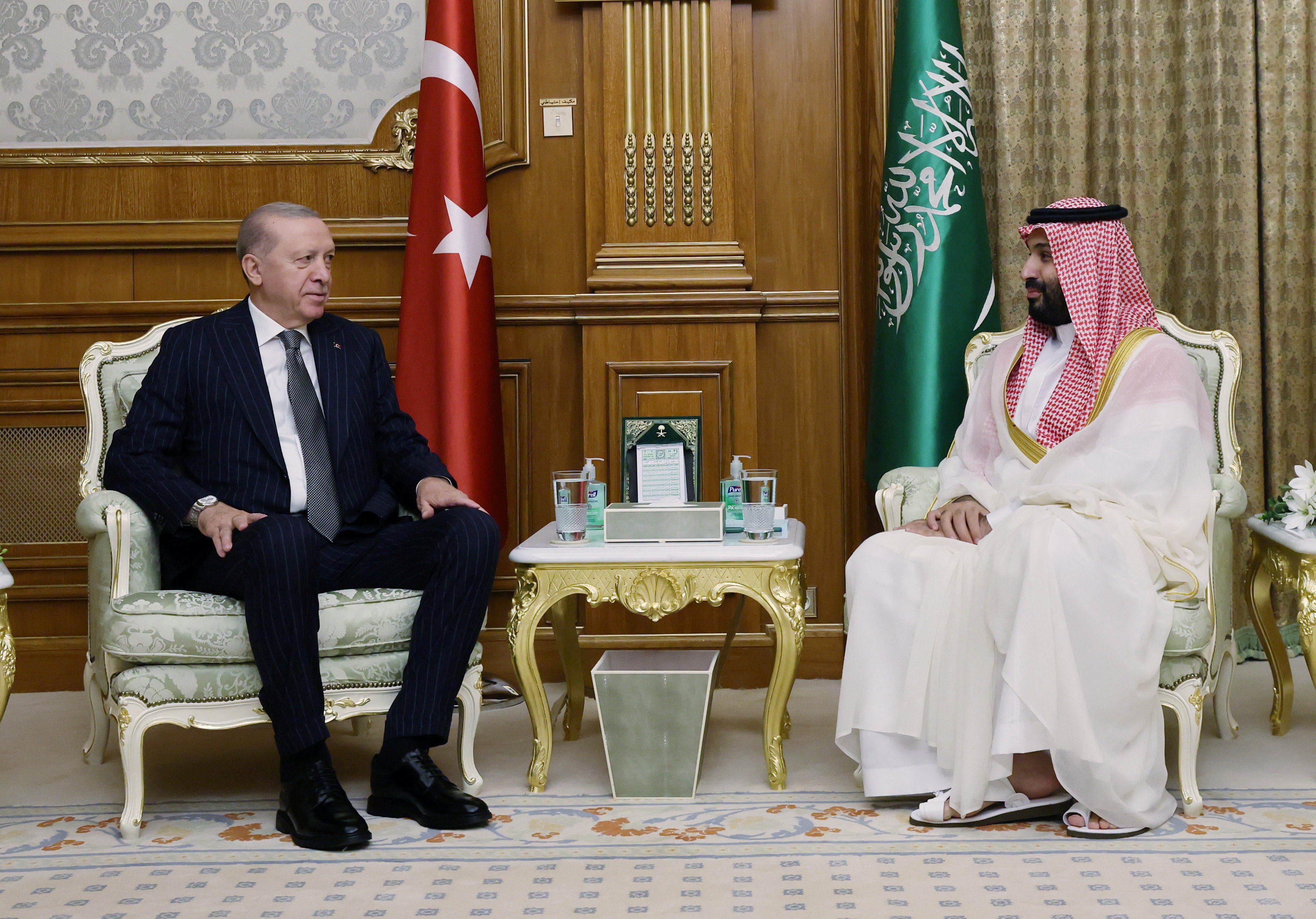
- Saudi Arabia, Turkey and Pakistan have signed a mutual defense pact.
- Turkish Foreign Minister Fidan stated that the alliance should grow beyond three countries and that unnamed nations have already expressed interest.
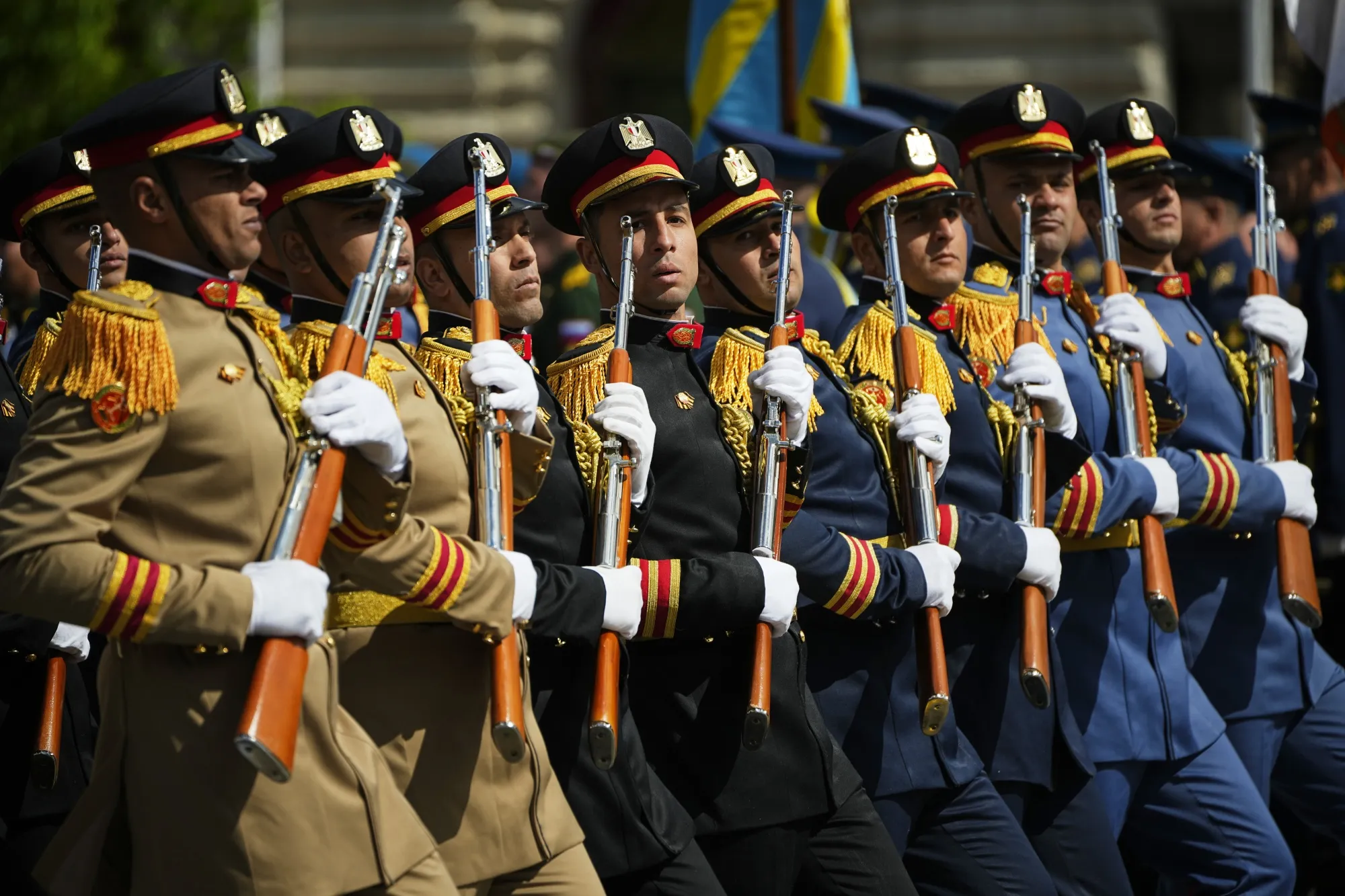
- Experts suggest that Egypt's inclusion would boost the pact's political weight, but Cairo's decision hinges on preserving ties with Washington and its freedom to act.
- Former Qatari Prime Minister Sheikh Hamad bin Jassim Al Thani expressed hope that all Gulf Cooperation Council (GCC) members would join the pact.
- Qatar and Kuwait are seen as the most likely Gulf candidates to join the pact, given their closeness to all three signatories.
- Other potential joiners include Azerbaijan, Syria, and Jordan, though some experts doubt the pact will become a broad bloc.
- Egypt may resist binding security commitments, preferring narrow, issue-based regional arrangements over high-risk defence obligations.
- Experts express skepticism about the pact transforming into a broader bloc, suggesting it may grow on a case-by-case basis.
Saudi Arabia, Turkey, and Pakistan have formalized a mutual defense pact, aiming to enhance regional security amid rising geopolitical tensions.
The pact's signatories are optimistic about expanding membership, with Egypt being a key candidate. Turkish Foreign Minister Hakan Fidan described Egypt as a “natural partner” and anticipates its formal inclusion once “technical issues” are resolved.27
Fidan stated, “I believe that at the next stage, Egypt will also be among us in the alliance. We already act towards one another as if we were alliance members.”
Experts suggest that Egypt's participation could significantly enhance the pact's political weight and operational effectiveness. However, its decision will depend on maintaining its aid relationship with Washington and managing relations with countries that may oppose the alliance.3
Karim Elgendy from Chatham House noted that Egypt's involvement hinges on the “strategic value” it perceives from the pact and its ability to navigate contrasting interests.
Other potential members include Qatar and Kuwait, both of which have strong ties to the signatories and seek additional security assurances. Azerbaijan, Syria, and Jordan are also seen as likely candidates for future inclusion.56
Elgendy expressed skepticism about the pact evolving into a broader coalition, suggesting it may develop on a “case-by-case basis” shaped by individual countries' risk assessments.
“Experts say Egypt's inclusion would significantly increase the pact's political weight, but Cairo may resist binding security commitments, preferring narrow, issue-based arrangements. Former Qatari PM Sheikh Hamad bin Jassim Al Thani hopes all GCC members will join, while Fidan says the alliance should not remain limited to three countries.”