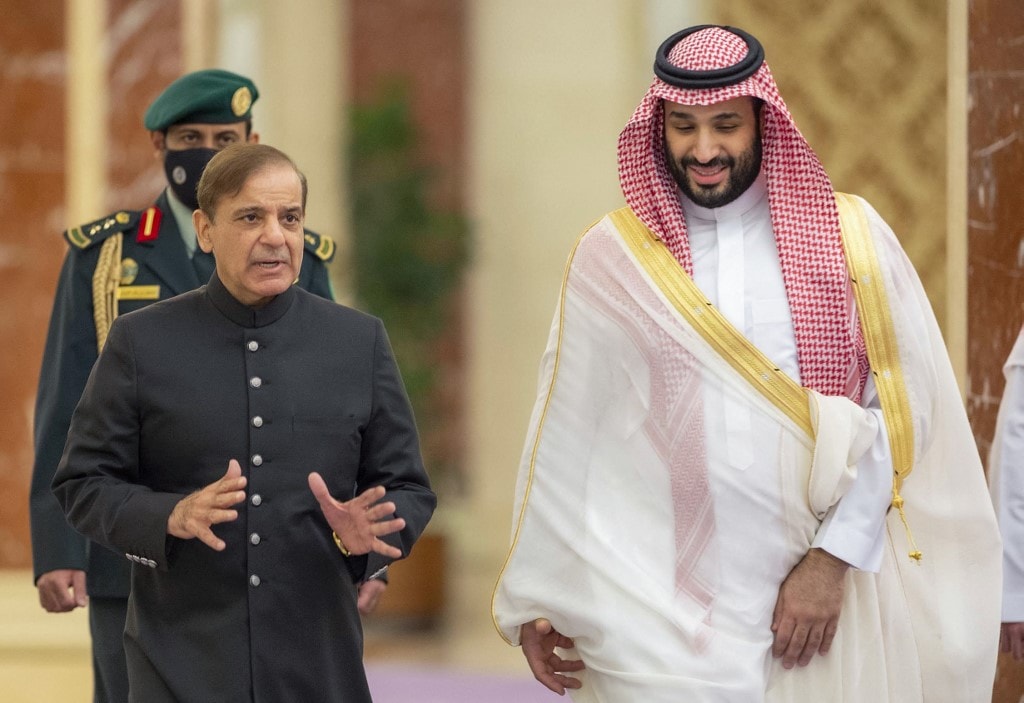
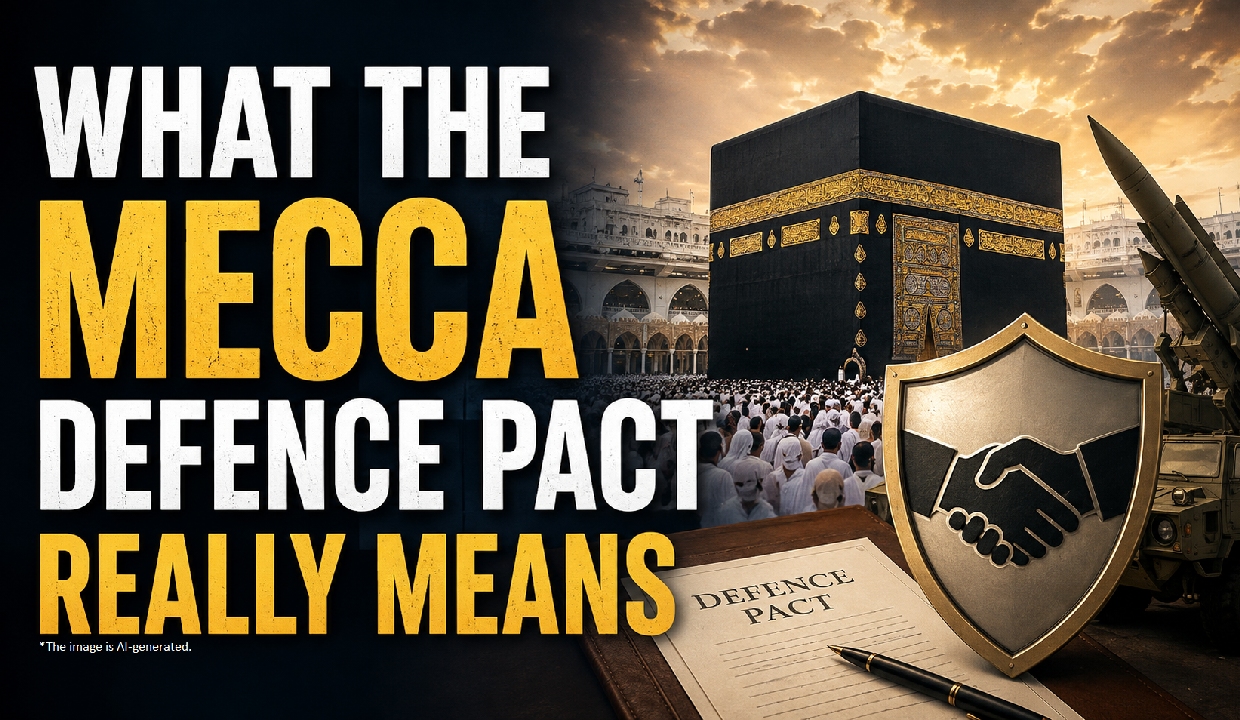
- Saudi Arabia, Turkey, and Pakistan have signed a Mecca defense pact, enhancing their military cooperation.
- The three nations together have nearly 1.4 million active military personnel — Pakistan 660,000, Turkey 481,000, Saudi Arabia 247,000 — and operate 3,415 military aircraft (Pakistan 1,397, Turkey 1,101, Saudi Arabia 917).
- Pakistan's foreign ministry confirmed the mutual defence clause, while Turkey and Saudi Arabia stressed it is not aimed at any particular country or sectarian bloc.
- The timing is significant amid the US-Iran war and Tehran's disruption of shipping in the Strait of Hormuz and the Red Sea.
- Analysts note the pact builds on the Saudi-Pakistani defence pact signed after the Israeli attack on Qatar in September 2025, and the *Middle East Council on Global Affairs* says it is not an ideological alliance.
- According to the Global Firepower 2026 index, Turkey ranks 9th in military strength, Pakistan 14th, and Saudi Arabia 25th.
- In land forces, Pakistan has 2,677 tanks, Turkey 2,284, and Saudi Arabia 1,085; in airpower, Pakistan leads with 331 fighters, while Turkey has 201 and Saudi Arabia 283; in naval assets, Turkey leads with 192, followed by Pakistan's 120 and Saudi Arabia's 32.
Saudi Arabia, Turkey, and Pakistan have formalized a significant military alliance with the signing of the Mecca Joint Defence Agreement, which aims to bolster collective security among the three nations.1
The pact, signed on August 7, brings together nearly 1.4 million active military personnel and 3,415 military aircraft, including fighter jets and helicopters.23
According to the agreement, any armed attack against one member will be considered an attack against all, enhancing their collective deterrence capabilities.
Pakistan's foreign ministry emphasized that the pact is intended to strengthen collective deterrence, while Ankara clarified that the agreement is not aimed at any specific country.
Riyadh also stated that the agreement does not seek to establish a military axis or sectarian bloc.
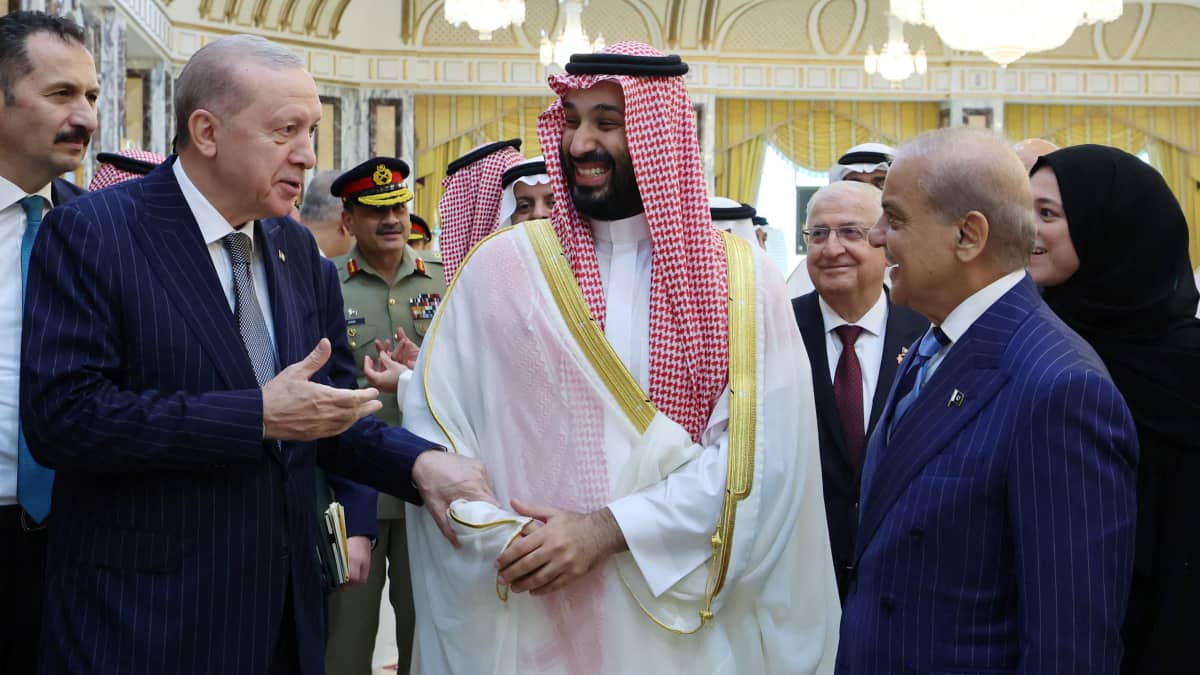
The timing of the deal is notable, coinciding with ongoing tensions in the region, particularly the US-Iran conflict and disruptions in the Strait of Hormuz.6
The combined military strength of the three nations is significant: Turkey ranks ninth globally, Pakistan 14th, and Saudi Arabia 25th in military strength according to the Global Firepower 2026 index.9
Together, they operate a formidable arsenal, including 331 fighters from Pakistan, 201 from Turkey, and 283 from Saudi Arabia.101112
This agreement marks a pivotal moment in Middle Eastern geopolitics, as analysts note it is not an ideological alliance but a strategic response to regional threats.
“The pact comes amid the US-Iran war, with Tehran choking off Strait of Hormuz traffic and Houthi allies disrupting Red Sea shipping. Analysts note it builds on the Saudi-Pakistani defence pact signed after the Israeli attack on Qatar in September 2025.”
 Firstpost