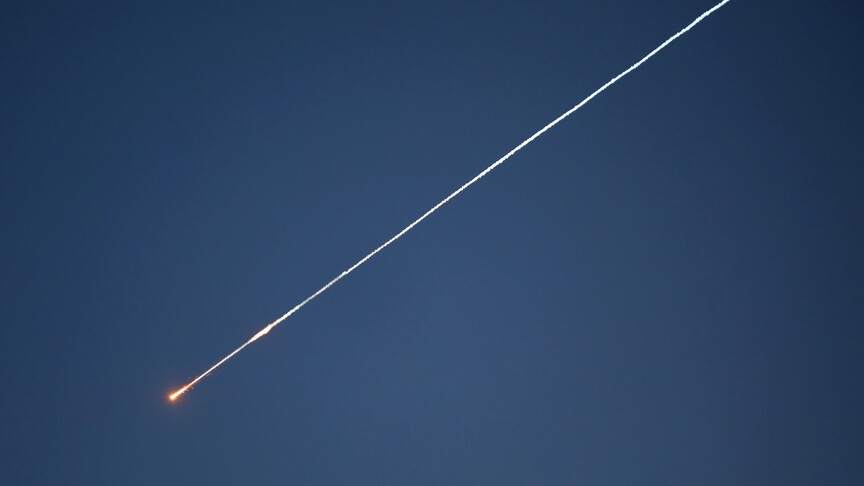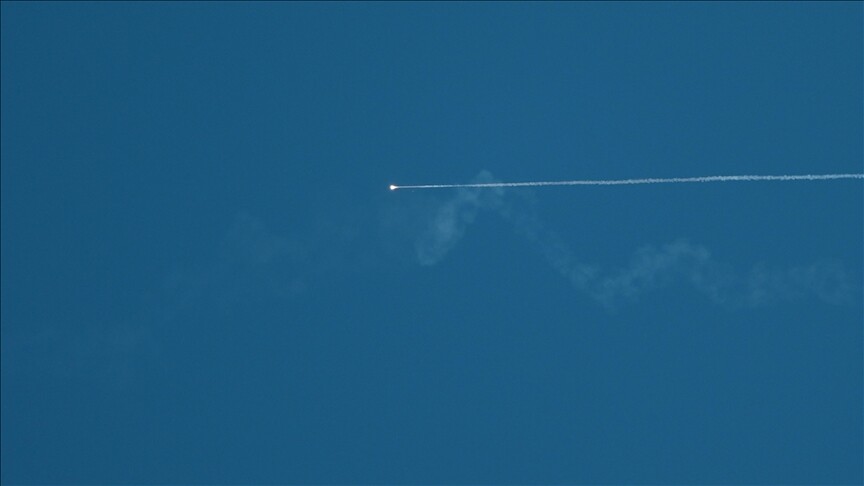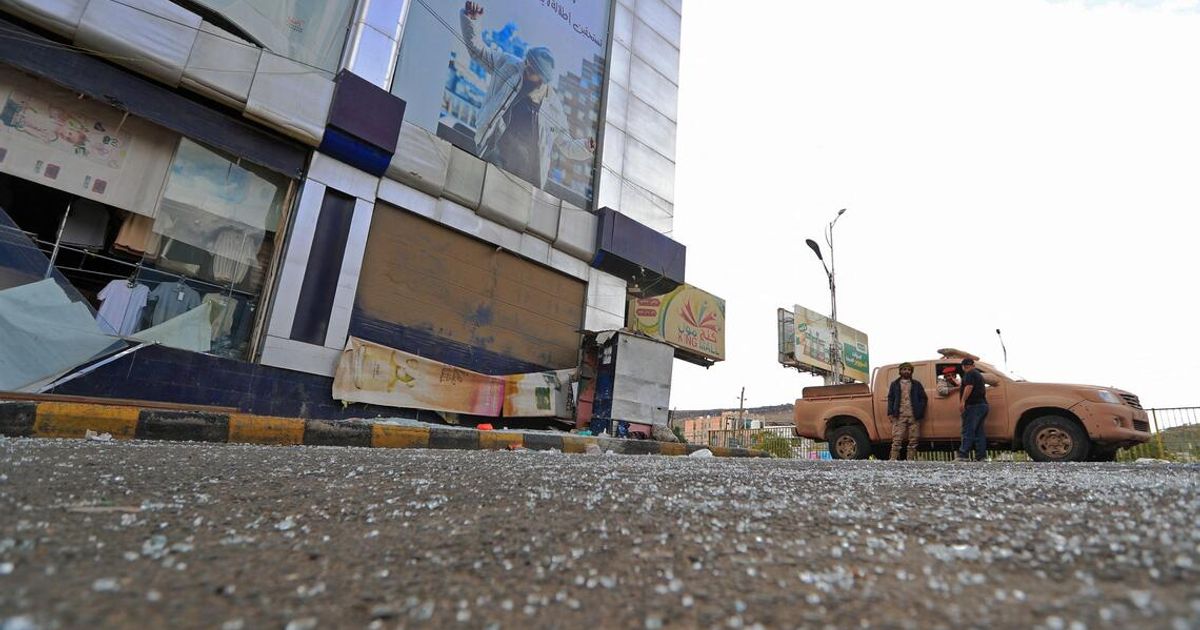
- On November 11, Saudi Civil Defense reported that debris from two Houthi ballistic missiles, intercepted and destroyed by Saudi air defences, fell in the Makkah region at Sabuhah village (about 35 km northeast of the Grand Mosque) and Wadi al-Maghmas (about 21 km east), with no casualties.
- The Houthis denied aiming at the holy city; military spokesman Yahya Saree denied targeting Mecca with a drone and claimed an attack on a Yanbu pumping station instead.
- Saudi Civil Defense described the targeting of civilian objects as a flagrant violation of international humanitarian law, and reported no casualties or damage.
- The nearest November 11 debris fell in Wadi al-Maghmas, about 21 kilometres east of the Grand Mosque; the same valley saw debris on October 24, about 16 km from Mina and 7 km from Arafat, key Hajj sites.
- Saudi authorities have not published intercept altitudes, engagement points, or weapons used, so the relationship between where a missile was destroyed and where its debris landed cannot be reconstructed from public statements.
- Saudi Arabia frames Houthi fire near Mecca as an attack on Islam’s holiest sites; religious leaders and organizations have used the language of sanctity, with Sheikh Abdulrahman Al-Sudais calling it a blatant assault on the sanctity of the two holy cities.
- The Houthi movement's slogan, the sarkha, ends with “Victory to Islam,” framing the movement as a defender of the faith, which sits uneasily beside the denial of targeting Mecca.


Saudi Arabia's Civil Defense reported that debris from two intercepted Houthi ballistic missiles fell in the Makkah region on November 11, specifically in Sabuhah village and Wadi al-Maghmas, with no casualties reported. The missiles were intercepted by Saudi air defenses, which also brought down two drones that day.123101112
The Houthi military spokesman Yahya Saree denied targeting Mecca, asserting that their operations focus on oil facilities and military bases, and instead claimed responsibility for an attack on a Yanbu pumping station.456
Saudi authorities have not disclosed details about the missiles' launch points or intended targets, raising questions about the nature of the threat. The debris fell approximately 35 kilometers northeast and 21 kilometers east of the Grand Mosque, locations that are significant given their proximity to key sites of the annual Hajj pilgrimage.
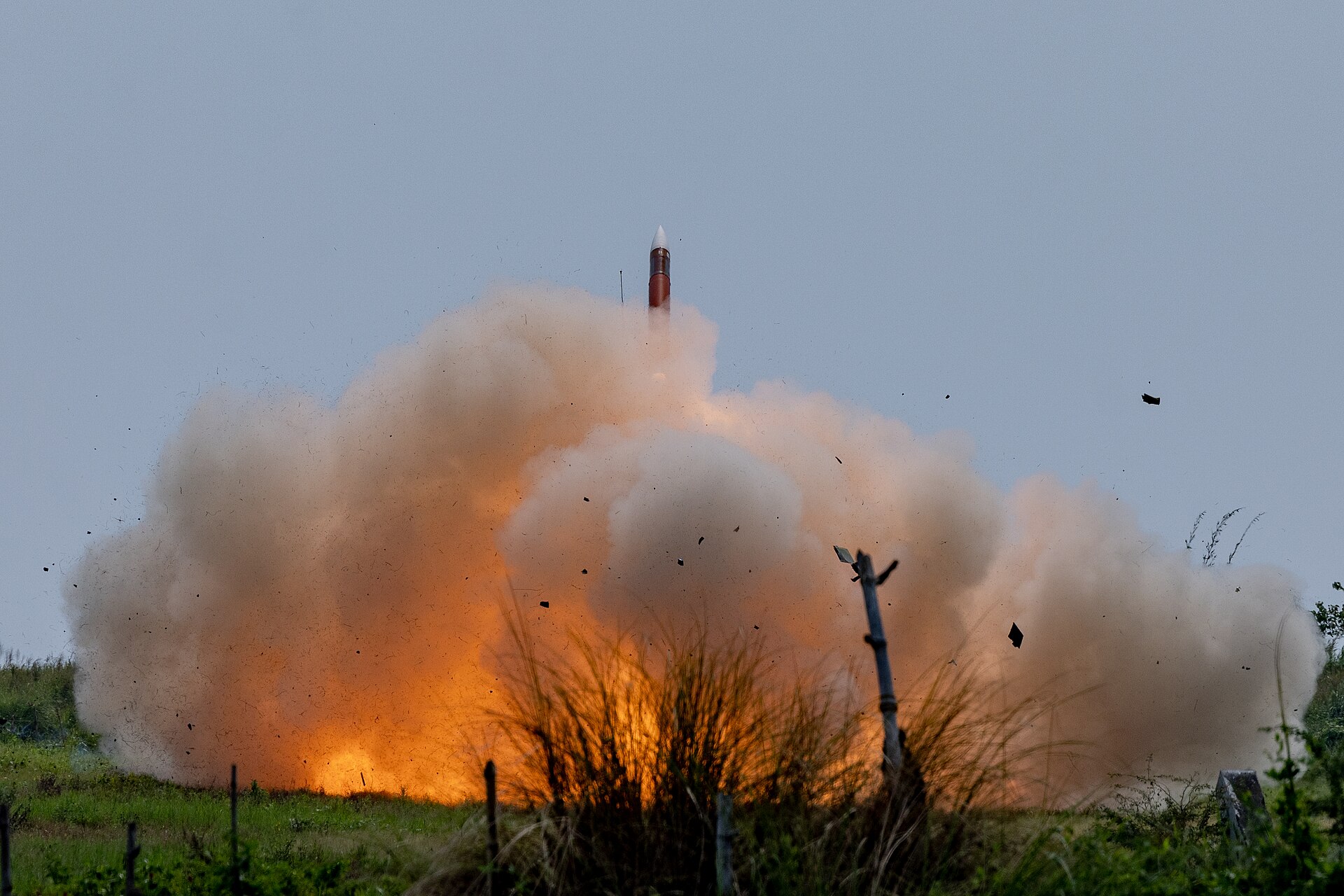
The Saudi government condemned the missile attacks as a flagrant violation of international humanitarian law, framing them as assaults on Islam's holiest sites. Sheikh Abdulrahman Al-Sudais, President of Religious Affairs at the Grand Mosque, emphasized that the security of Mecca and Medina is a red line that must not be breached.
The Houthis' denial of targeting Mecca contrasts sharply with their slogan, which includes the phrase “Victory to Islam,” suggesting a broader ideological conflict beyond territorial disputes.
“The debris landed at Sabuhah village, about 35 km northeast of the Grand Mosque, and Wadi al-Maghmas, 21 km east, with no casualties. Saudi Civil Defense called the targeting of civilian objects 'a flagrant violation of international humanitarian law.'”
 i24NEWShouseofsaud.com