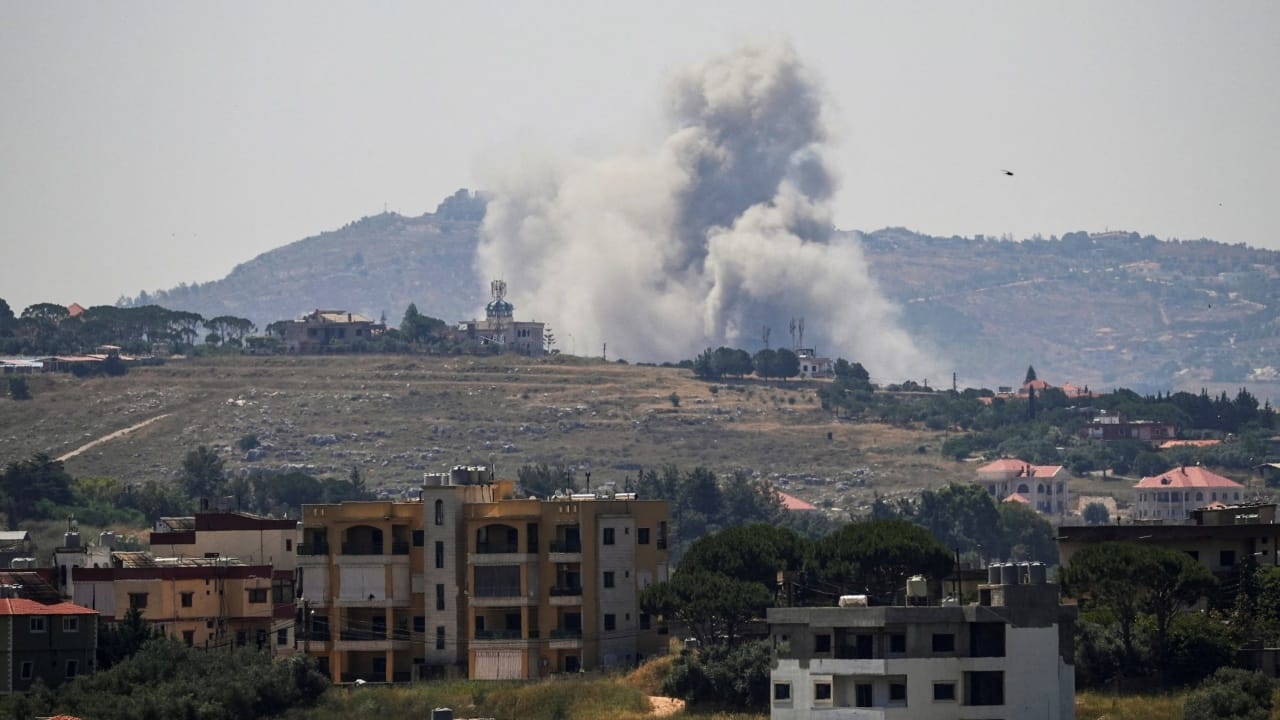
- The stop-start conflict between the United States and Iran entered a new phase as Saudi Arabia joined the U.S. in striking Iran-backed militias in Iraq, while diplomatic efforts to end the fighting stalled amid deepening mistrust.
- At least four members of the Iran’s Islamic Revolutionary Guard Corps (IRGC) were killed in US-Saudi Arabia strikes in Iraq.
- The four IRGC members were identified as Ali Asghar Astaneh, Abolfazl Motaqi, Morteza Akbari, and Amir Abbas Darhamforoush, from the central Iranian city of Kashan.
- Around 20 Iranian advisers were killed in the US-Saudi strikes, including IRGC members and technical advisers.
- The strikes targeted sites to weaken the ability of Iran-backed militias to launch missiles and drones.
- The operation targeted 'logistics and weapons sites' across eastern Iraq in response to more than 30 drone attacks directed by the IRGC.
- Iran said it launched ballistic missiles at a key U.S. military base in Jordan, while U.S. and Saudi forces struck logistics and weapons sites used by Iran-backed militias in Iraq.
- President Donald Trump alternated between threats of further military action and the possibility of renewed negotiations, stating, "They've already apologised, but, you know, we got to smack them a little bit."
- The latest escalation comes at a difficult time for the Trump administration, with the conflict unpopular among many Americans, global energy markets under pressure and the November midterm elections approaching.
- The history of failed agreements and military confrontations has left both sides increasingly distrustful, making a diplomatic breakthrough more difficult even as the costs of continued conflict grow.
- The Trump administration currently does not appear to be actively pursuing direct negotiations with Iran, according to a senior U.S. official.
Saudi Arabia's military involvement alongside the U.S. marks a significant escalation in the ongoing conflict with Iran. The recent airstrikes targeted logistics and weapons sites in Iraq's Diyala province, killing four IRGC members identified as Ali Asghar Astaneh, Abolfazl Motaqi, Morteza Akbari, and Amir Abbas Darhamforoush.148
U.S. Central Command (CENTCOM) stated that the operation was a response to over 30 drone attacks directed by the IRGC against U.S. forces and Saudi energy infrastructure in the preceding 72 hours.7
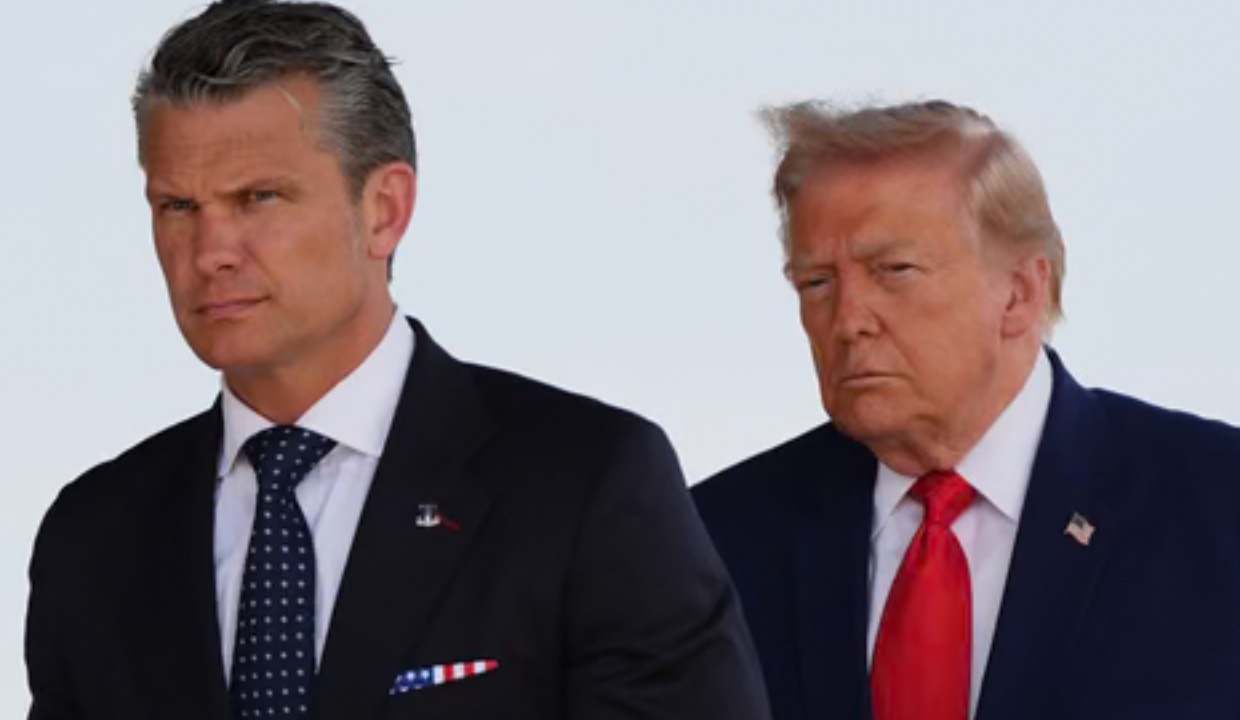
“They’ve already apologized, but, you know, we got to smack them a little bit,” President Trump remarked, indicating a dual approach of military action and potential negotiations.
The strikes, which included the deaths of around 20 Iranian advisers, signify a new phase in the U.S.-Iran conflict, with both sides increasingly distrustful and diplomatic efforts stalled.5
“The history of failed agreements and military confrontations has left both sides increasingly distrustful,” noted analysts, highlighting the challenges of resuming negotiations.
The conflict has also strained U.S. military resources, with a recent analysis indicating reduced interceptor inventories due to ongoing hostilities.
As tensions rise, the potential for further military escalation looms, with both nations seemingly at an impasse regarding diplomatic resolutions.
“The latest developments in the region suggested that any resumption in direct diplomacy was not imminent,” an expert commented, reflecting the current state of affairs.
“The strikes targeted logistics and weapons sites in eastern Iraq, responding to over 30 drone attacks directed by the IRGC against US forces. Meanwhile, diplomatic efforts to resolve the conflict have stalled, with Iranian officials expressing deep mistrust towards the US administration.”


 Daily Pioneer
 AP News



