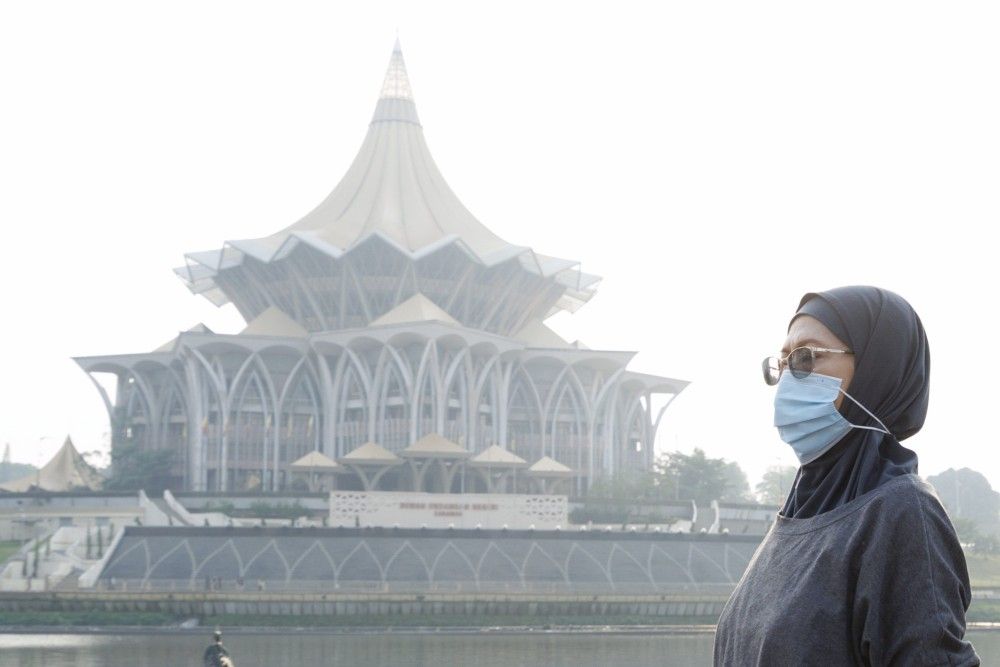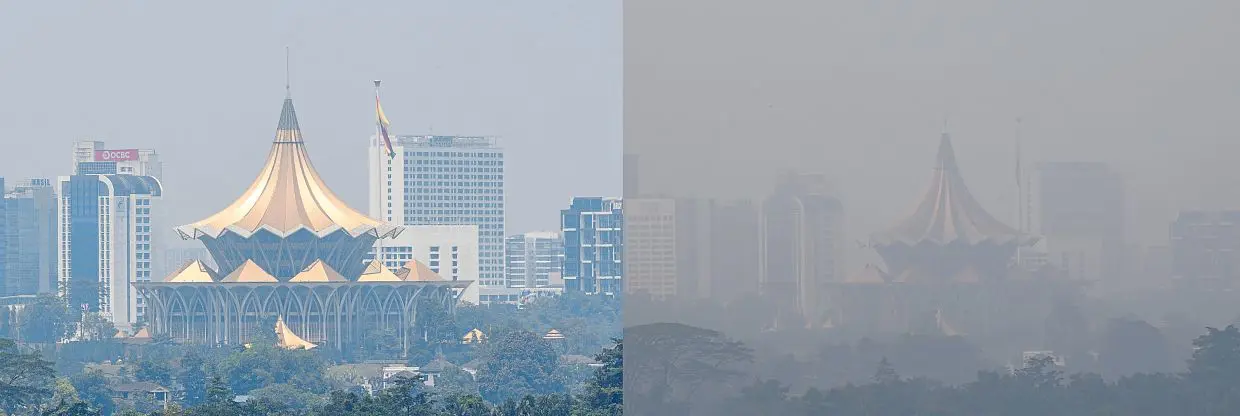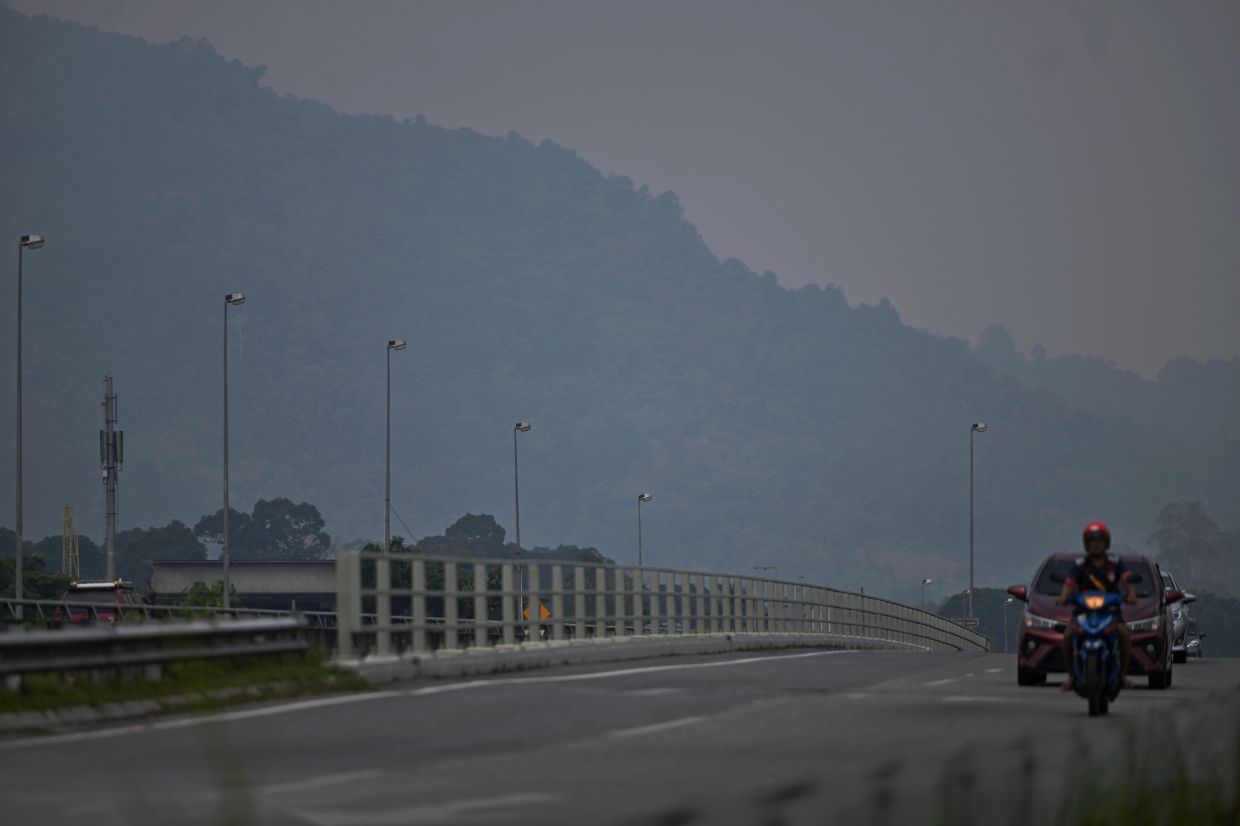
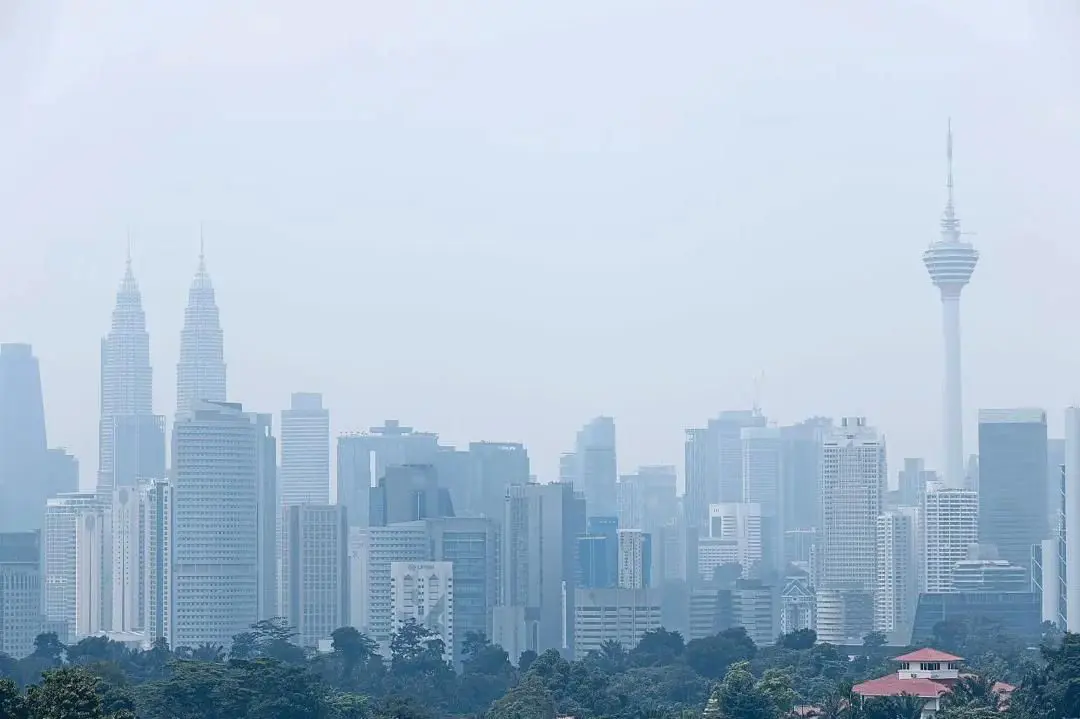
- Haze has returned to Sarawak, causing the skies to turn grey and prompting residents to monitor the Air Pollutant Index (API) closely.
- Schools in areas where API readings have reached the very unhealthy range have been ordered to close.
- Kuching air traffic control instructed a pilot to operate under Instrument Meteorological Conditions due to reduced visibility caused by the haze.
- Medical experts have warned that the haze poses serious risks for older individuals and those with chronic conditions, advising them to stay indoors and wear masks.
- Older individuals with chronic lung diseases, heart disease, diabetes, and other medical conditions are particularly vulnerable to the effects of haze.
- Medical experts recommend that families monitor the Air Pollutant Index and reduce unnecessary outdoor activities when readings are unhealthy.
The haze in Sarawak has intensified, leading to school closures and health warnings for vulnerable populations. As Air Pollutant Index (API) readings soar into the very unhealthy range, experts emphasize the need for protective measures, especially for the elderly and those with chronic health issues.12389
Schools in affected areas have been ordered to close, providing some reassurance to parents and guardians. Medical experts warn that the haze poses significant risks for older individuals, particularly those with chronic lung diseases, heart conditions, or dementia. Dr. Balwant Singh Gendeh, a senior ear, nose, and throat consultant, noted that those with respiratory conditions are especially vulnerable, stating, “These conditions can lead to chronic obstructive pulmonary disease getting worse.”567
The frail elderly, who may not recognize or communicate their discomfort, are at heightened risk. Prof. Dr. Tan Maw Pin from Universiti Malaya Medical Centre advised, “The haze should not be regarded merely as an inconvenience... it can destabilize chronic conditions.” She urged families to monitor the API and ensure older relatives have necessary supplies and medications.
In addition to avoiding outdoor activities, experts recommend wearing masks on public transport to prevent the spread of infections. “There could always be someone with a chest infection on board,” Dr. Tan cautioned, highlighting the importance of vigilance during this hazardous period.
“Dr Balwant warns that particulate matter can travel from nose to lungs, worsening asthma and rhinitis, while Dr Tan advises keeping windows closed and using air purifiers. Kuching air traffic control required pilots to fly under instrument conditions due to reduced visibility.”

 The Star