 Tech4Gamers
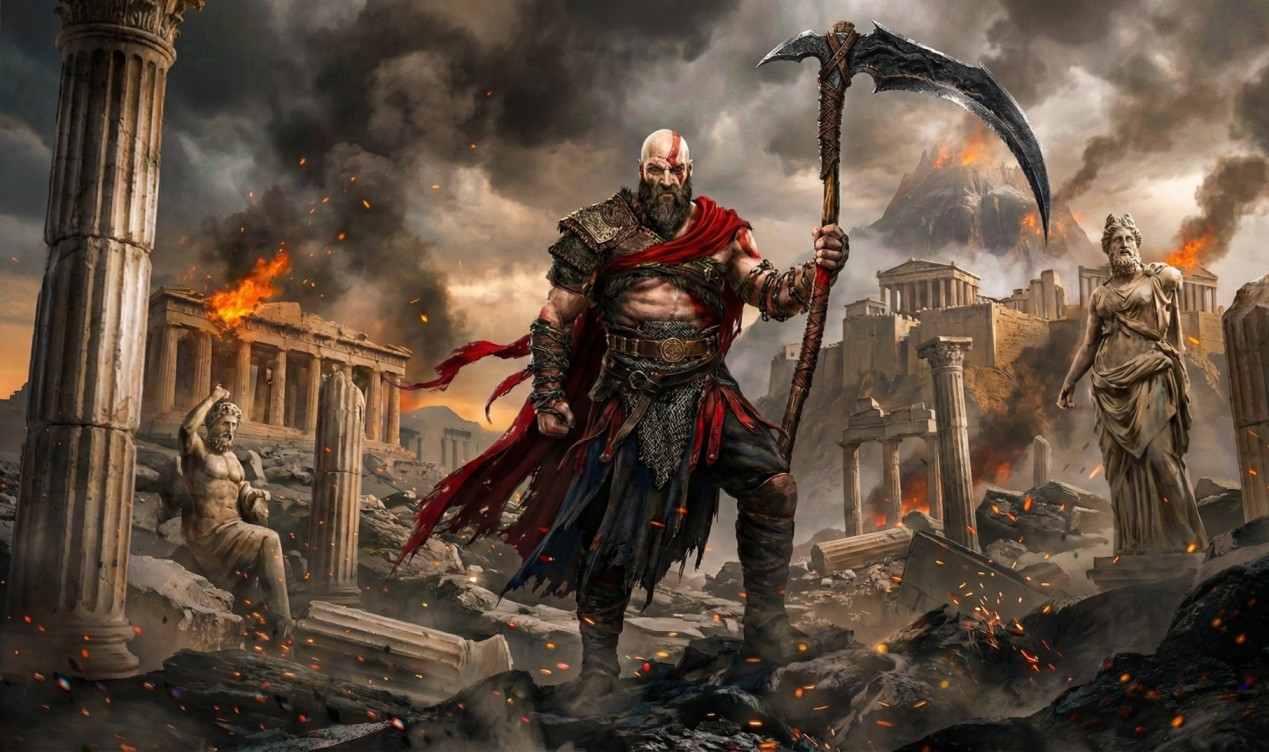
- Santa Monica Studios announced a new God of War game starring Kratos that connects directly to the Laufey story.
- God of War Laufey is set to release on February 16, 2027.
- The new title will feature Kratos as the lead and is set directly after God of War Laufey.
- God of War Laufey is referred to as an expansion and features a story essential to the next game.
Santa Monica Studios has officially announced a new installment in the God of War franchise, featuring Kratos as the lead character. This game will follow God of War Laufey, which is set to release on February 16, 2027. During the San Diego Comic Con panel, creative head Cory Barlog emphasized that Laufey serves as an expansion to the series, connecting directly to the upcoming title.12345678

Barlog stated, “We will always tell stories about Kratos,” reinforcing the character's central role in the franchise. The narrative of Laufey is crucial, as it bridges the storyline into the next game, with Barlog noting, “I wanted to see how things connect.” This indicates a seamless transition between the two titles, enhancing the overall narrative experience for players.
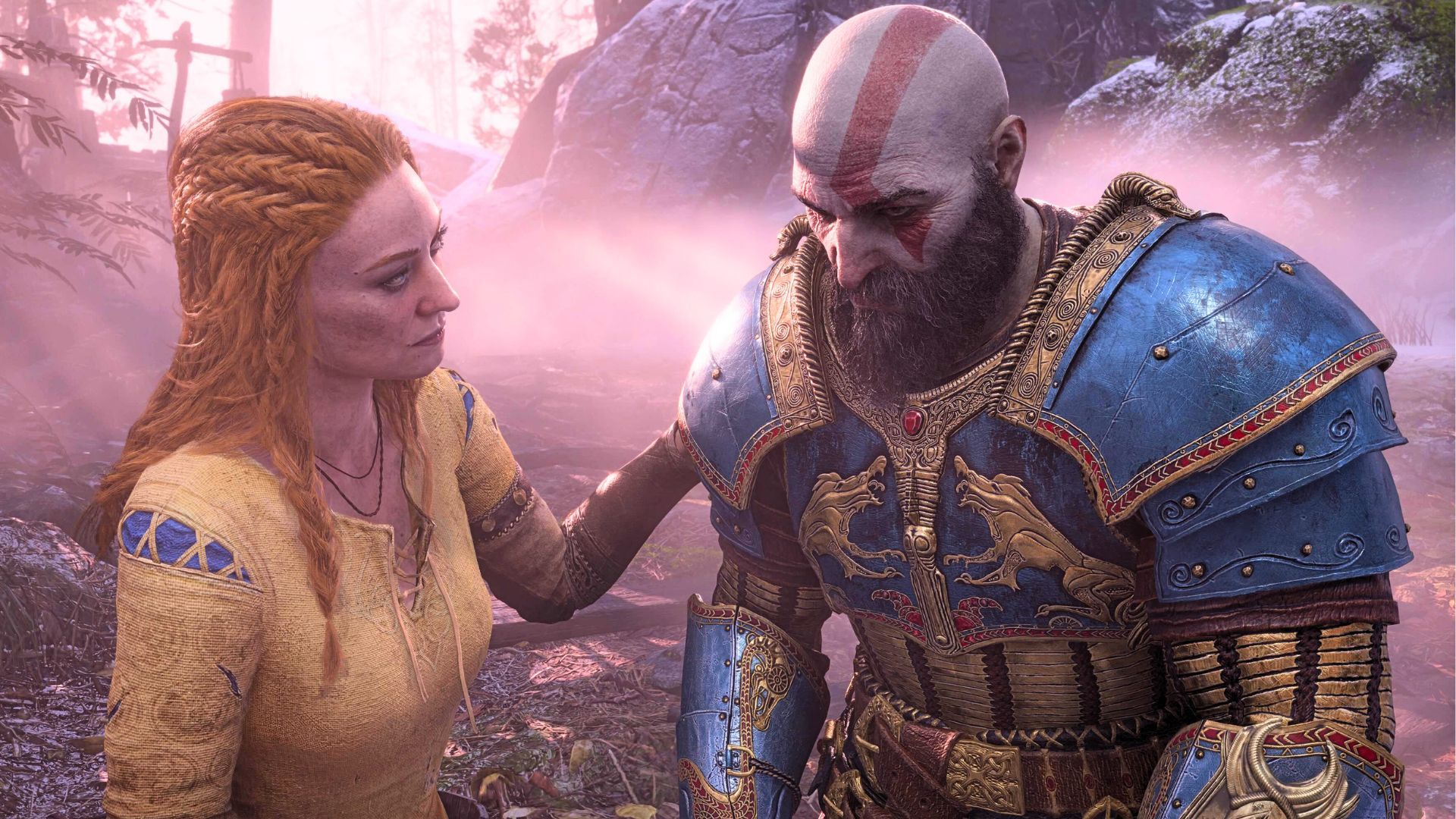
The announcement comes amid discussions about the future of the franchise, with speculation that Kratos may explore new mythologies beyond Norse legends, potentially including Egyptian and Tibetan gods. The excitement surrounding the franchise continues to grow, especially after the success of God of War Ragnarök, which was released in 2022. Fans are eager to see how the story unfolds in Laufey and its direct connection to Kratos's journey.

As the gaming community anticipates the release of Laufey, the confirmation of another Kratos-led game promises to keep the franchise's legacy alive and thriving.
“Santa Monica Studio head Cory Barlog described God of War Laufey as an 'expansion' bridging directly to the next game, noting Kratos will always be the series' lead. Fan reactions to Laufey's debut gameplay have been mixed, praising combat but criticizing simplistic sections, while Sony's disc production phase-out sparked backlash.”




