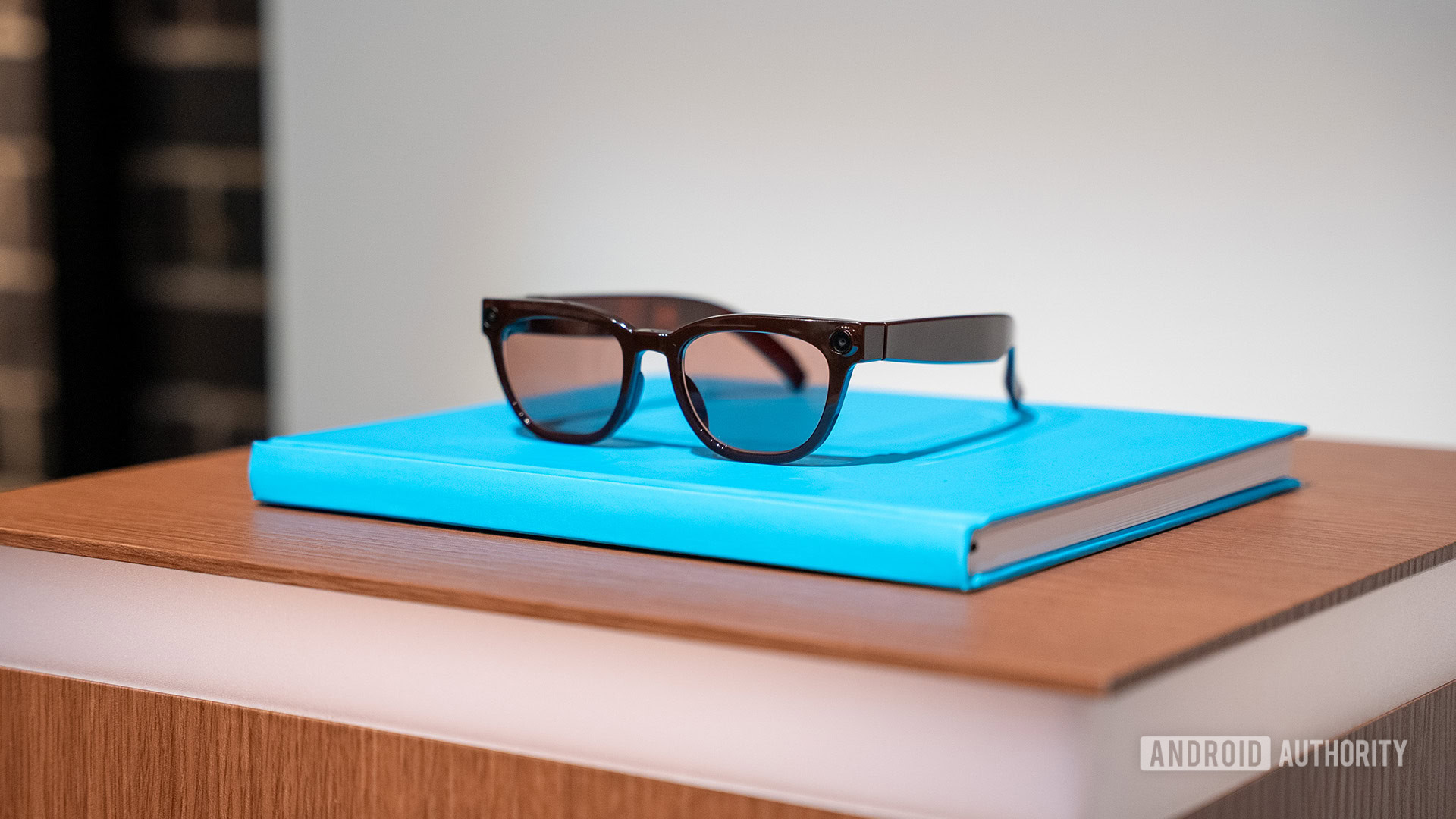
- Samsung's smart glasses are designed to complement smartphones rather than replace them.
- Samsung's strategy assumes smartphones will remain the hub of personal computing for years to come, with smart glasses acting as companion devices rather than standalone replacements.
- The glasses handle lighter tasks, while connected Galaxy phones process AI-intensive workloads such as translation, navigation, and image processing.
- Durability is a key focus for Samsung, with the glasses undergoing smartphone-grade quality testing.
- Roughly 10% of Samsung’s smart glasses patents relate to privacy and misuse prevention.
- Samsung's first-gen glasses will debut in the premium segment, though the company intends to price them at a reasonable level.
Samsung's new smart glasses were introduced at the Galaxy Unpacked event, emphasizing their role as companion devices to smartphones rather than replacements. The glasses are designed to handle lighter tasks, while connected Galaxy phones will manage AI-intensive workloads such as translation and navigation.23
Choi, a Samsung representative, highlighted that the glasses underwent smartphone-grade quality testing, including drop tests and resistance to outdoor conditions. This rigorous testing ensures durability against elements like sunscreen and cosmetics.4
Privacy is a significant focus, with roughly 10% of Samsung's smart glasses patents dedicated to privacy and misuse prevention. Features include safeguards that prevent recording when users attempt to cover the recording indicator or when the glasses aren’t being worn.15
Samsung is positioning these glasses in the premium segment, aiming for a reasonable price despite their high-end features. This strategy reflects the company's belief that smartphones will remain central to personal computing for the foreseeable future, with smart glasses enhancing the user experience rather than replacing existing devices.6
“Samsung's strategy positions smartphones as the hub of personal computing, with smart glasses handling lighter tasks while connected Galaxy phones manage AI-intensive workloads. The glasses will debut in the premium segment, with 10% of patents dedicated to privacy and misuse prevention, ensuring user safeguards.”