- The first foldable iPhone is widely expected to debut next month alongside the iPhone 18 Pro models, running a version of iOS adapted to deliver an iPad-esque interface without full iPadOS multitasking.
- IDC analyst Francisco Jeronimo calls the launch “a turning point for the foldable segment” and predicts Apple will claim 34 percent of the foldable market by value in its first year.
- Apple’s arrival could be the tipping point that pulls foldables from a niche to the mainstream, but a premium price would still set strict limits to its reach.
- Despite the improvements, foldable phones remain a niche: they made up just 1.6 percent of the 2025 smartphone market.
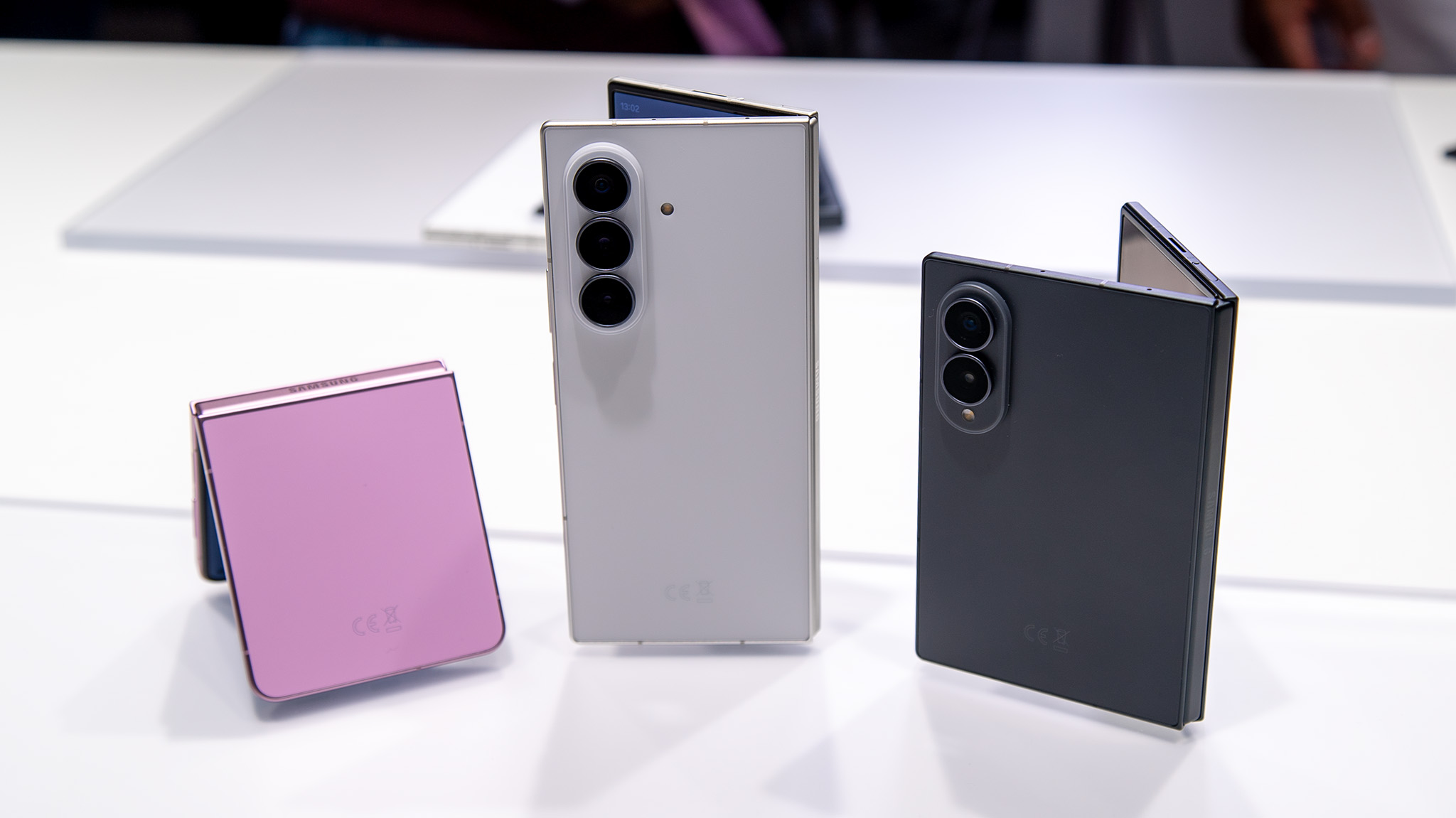
- Newer foldables are thinner, lighter, and more durable, with flatter, less visible creases; recent Oppo and Vivo models have triple rear cameras comparable to slab flagships.
- Foldable prices have come down gradually: flagship book-style foldables have stayed around $2,000 for seven years, but cheaper models have appeared, including Samsung’s cheaper FE variant of the Z Flip 7 for $899.
- Even before its first sale, the foldable iPhone has already had an impact: leaks point to wider folds from Oppo and Honor, and the next 12 months will test whether Android manufacturers regret following Apple.
Samsung's Galaxy Z Fold 8 highlights the evolution of foldable phones, showcasing advancements in design and functionality. The devices are now thinner, lighter, and more durable, with improved camera quality comparable to traditional smartphones.789101112
Prices for foldables have gradually decreased, with models like Samsung's Z Flip 7 FE priced at $899, making them more accessible. However, foldables still represent a niche market, accounting for just 1.6% of the smartphone market in 2025.
The anticipated launch of Apple's first foldable iPhone is expected to be a pivotal moment for the industry. Analysts predict that Apple could capture 34% of the foldable market by value in its first year. This could either broaden the appeal of foldables or reinforce the notion that consumers prefer traditional smartphones.121314
As IDC analyst Francisco Jeronimo notes, the upcoming launch could be “a turning point for the foldable segment.” The next year will be crucial in determining whether foldables can transition from a niche product to mainstream acceptance, especially if Apple prices its device at a premium.34
With more companies like Oppo and Honor expected to enter the foldable market, the competition is likely to intensify, potentially reshaping consumer preferences and market dynamics.
“Foldable phones made up just 1.6 percent of the 2025 smartphone market, indicating their niche status despite advancements. Analysts predict that Apple's upcoming foldable iPhone could capture 34 percent of the foldable market by value in its first year, potentially transforming consumer interest.”