
- Galaxy Fit 4 spotted in FCC filings with model number SM-R391 and the Fit4 label.
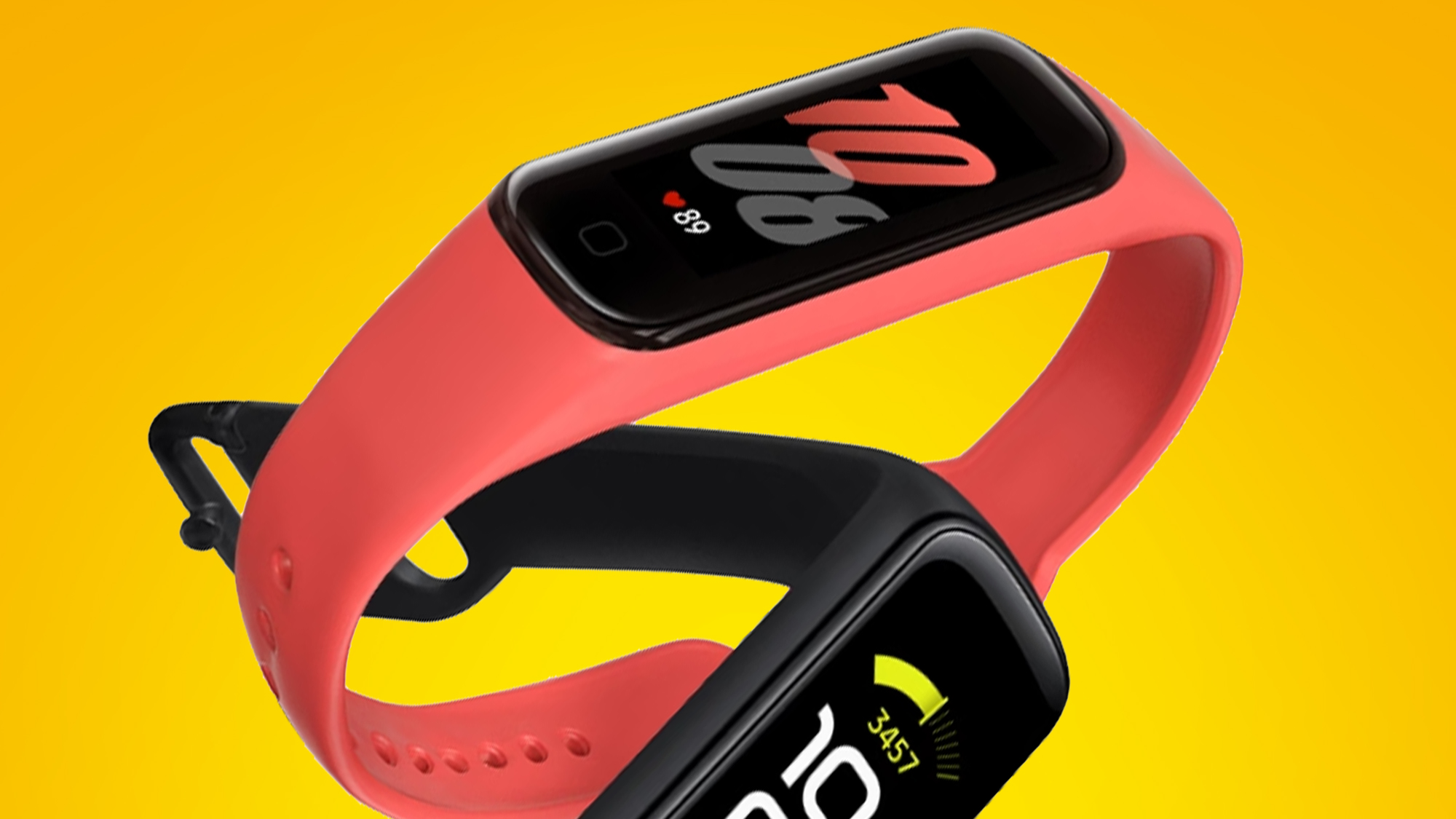
- FCC diagrams show a design similar to Galaxy Fit 3, including a display, a side button, and optical sensors.
- The filings list Bluetooth Low Energy (BLE) and a Goodix GH3036 sensor module for optical heart rate tracking and a PPG health-monitoring chip for low-power wearables.
- Filings confirm Bluetooth 5.4 support (an upgrade over Fit 3’s Bluetooth 5.3).
- Product photos and a quick-start guide will remain confidential until January 31, 2027.
- Battery testing is noted but the capacity is not specified in the filings.
- A September release at IFA 2026 is expected alongside the Galaxy Tab S12 range and rumoured Galaxy Buds On.
- The Fitbit Air is a screenless fitness band, while the leak suggests Fit4 will include a display.
- The Air is a screenless fitness band, creating a contrast with the Fit4 leak suggesting a display.
- The Fit3 reportedly offered a 1.6-inch AMOLED display and a 208mAh battery.
FCC regulatory filings reveal Samsung’s Galaxy Fit 4, a budget-friendly fitness tracker, will include a display and Bluetooth 5.4.1234610111213
Diagrams suggest a design closely resembling the Galaxy Fit 3, including a 1.6-inch AMOLED panel and a single side button, signaling Samsung’s plan to undercut rivals while keeping features.
Compared with Fitbit’s Air, the FCC documents imply the Fit 4 will not be screenless, opening differences in user experience and pricing. Samsung may still price it aggressively, while leveraging a display as a primary differentiator to draw budget-conscious buyers.
Technical notes reveal a 1.6-inch AMOLED panel, a Goodix GH3036 optical heart-rate sensor, and a dedicated PPG health-monitoring chip for low-power wearables. The back hosts optical sensors, while a single side button remains, matching the Galaxy Fit 3’s baseline design.5
Release timing remains uncertain, but insiders expect a September debut, potentially at IFA 2026, alongside Samsung’s Tab S12 and rumored Buds On, a clip-on earbud variant previously nicknamed Buds Able.9
Battery considerations are unclear; the Fit 3 used a 208mAh cell delivering about 10 days in testing, and the Fit 4’s capacity could change. Battery testing is mentioned, but capacity figures are not disclosed.8
Additionally, confidential documents indicate that product photos and a quick-start guide will remain under wraps until January 31, 2027, a detail that keeps timing elusive even as speculation points to a sooner Fit 4 release.7
While the reports answer some questions, they raise others—most notably how Samsung will price the device, whether GPS is included, and what impact a display-equipped Fit 4 will have on Fitbit Air.
Analysts expect the Fit 4 to rely on the same back-case sensors as the Fit 3, with slim profiles and battery management. If true, Samsung’s approach would mix familiar hardware with a visible display, a tactic that could reshape wearables in 2026.
“The FCC documents confirm a Goodix GH3036 sensor for heart rate tracking and a PPG chip, but battery capacity remains undisclosed. Product photos and a quick-start guide stay confidential until January 31, 2027, leaving many details unresolved.”
 techadvisor.com



