- Samsung Electronics reported record revenue of KRW 171.5 trillion for the second quarter of 2026, marking a 28% quarter-on-quarter increase.
- The company's operating profit reached an all-time high of KRW 89.5 trillion, reflecting a 19-fold year-on-year increase.
- Samsung's net profit for the quarter surged to KRW 71.27 trillion ($49.2 billion), exceeding Bloomberg estimates.
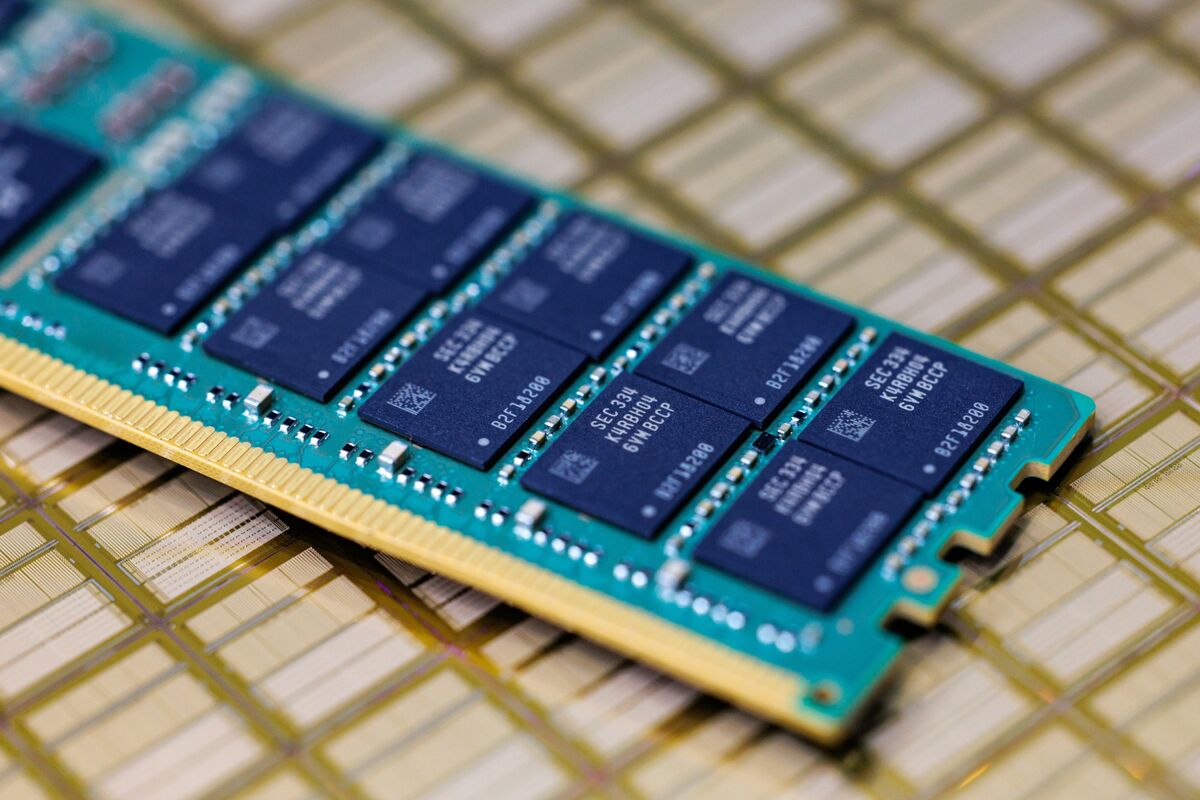
- The company's chip profits soared over 250-fold due to AI memory shortages amid a global infrastructure buildout.
- Samsung anticipates that the gap between demand and supply for memory products will widen in 2027.
- The Memory Business achieved record-breaking quarterly revenue and operating profit by focusing on AI demand despite limited capacity.
- Samsung's Device Solutions Division saw a 56% sales increase quarter-on-quarter, driven by the Memory Business.
- The company expects robust demand for memory products centered on servers in the second half of 2026 due to ongoing AI infrastructure investments.
- Despite softening demand in consumer electronics and PCs, Samsung predicts the global memory market will remain undersupplied.
- Samsung stated that supply constraints are expected to continue despite efforts to increase production.
Samsung Electronics achieved a record Q2 profit, with net profit soaring to KRW 71.27 trillion ($49.2 billion), exceeding Bloomberg estimates. The operating profit jumped 19-fold year-on-year to KRW 89.4 trillion, driven by a 56% QoQ sales increase in its Memory Business.236
The company reported KRW 171.5 trillion in revenue, marking a 28% quarter-on-quarter increase. Samsung's Memory Business set an all-time high for quarterly revenue and operating profit, focusing on AI demand despite limited capacity. The company expects robust demand for server products in H2 2026, driven by ongoing AI infrastructure investments.8
Despite softening demand in consumer electronics, Samsung anticipates the global memory market will remain undersupplied. The company stated, “Despite efforts to increase production, supply constraints are expected to continue.” Samsung aims to produce higher-margin memory products for the AI industry, reflecting a strategic pivot to meet evolving market needs.910
As the competition heats up, Samsung's diversified business model and strong cash generation capabilities position it well for future challenges, although it is not currently considering a U.S. ADR listing, citing low necessity for now.
“Samsung's net profit for Q2 reached KRW 71.27 trillion ($49.2 billion), exceeding Bloomberg estimates of KRW 68.36 trillion. The company anticipates continued undersupply in the global memory market, despite softening demand in consumer electronics, as it focuses on high-margin memory products for the AI sector.”
 SamMobile



