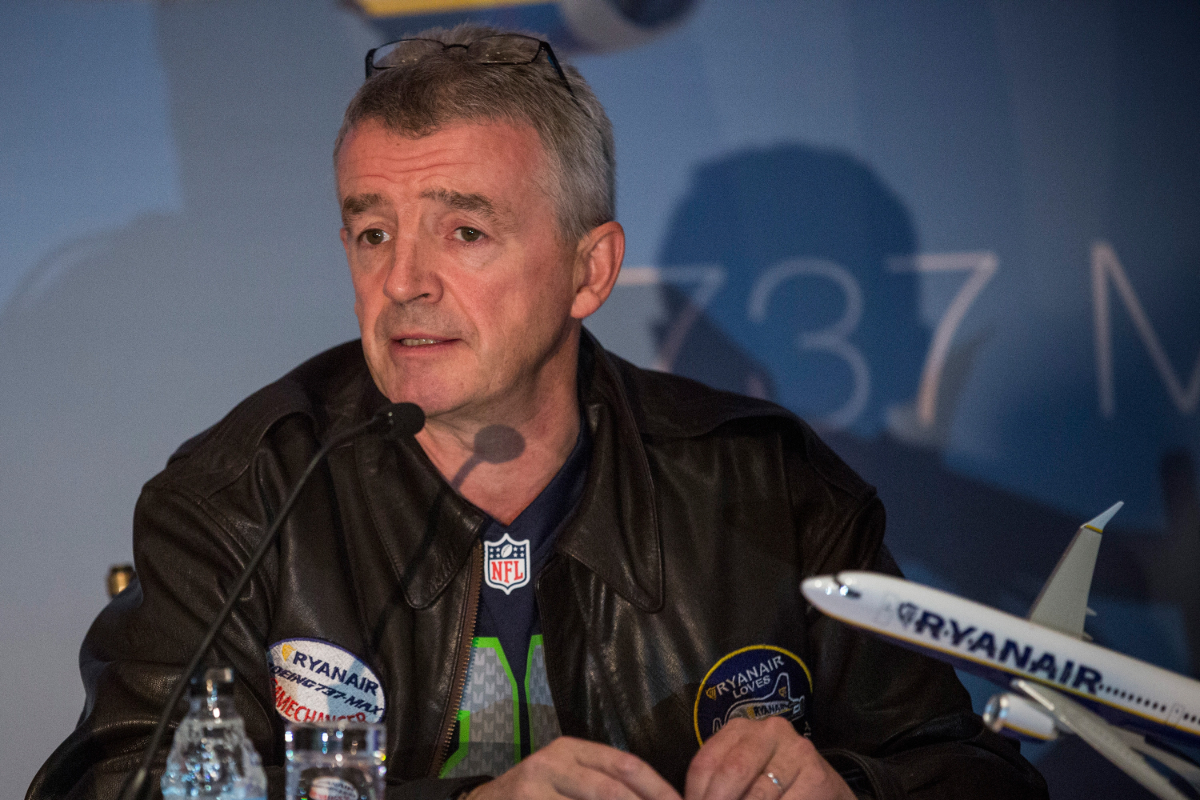
- Ryanair's Q1 profit fell 34% to €538 million, primarily due to doubled unhedged jet-fuel prices and lower fares influenced by the Iran war.
- Traffic increased by 6% to 61.3 million passengers, but revenue remained flat as the airline cut fares to stimulate demand.
- Unhedged jet-fuel prices more than doubled to $150 per barrel, significantly impacting operating costs.
- Lower fares were attributed to consumer hesitancy caused by the Iran war, leading to a 6% drop in average fares.
- The Iran war has led to increased fuel costs and consumer hesitancy, affecting airline revenues across the industry.
- Ryanair's hedging policy protects it better than competitors, with 80% of its fuel needs for the current financial year fixed at $67 per barrel.
Ryanair's after-tax profit for Q1 fell 34% to €538 million as unhedged jet-fuel prices more than doubled to $150 per barrel due to the ongoing Iran war. The airline's operating costs rose 11% to €3.8 billion, while revenue dipped 1% to €4.3 billion despite a 6% increase in traffic to 61.3 million passengers.56
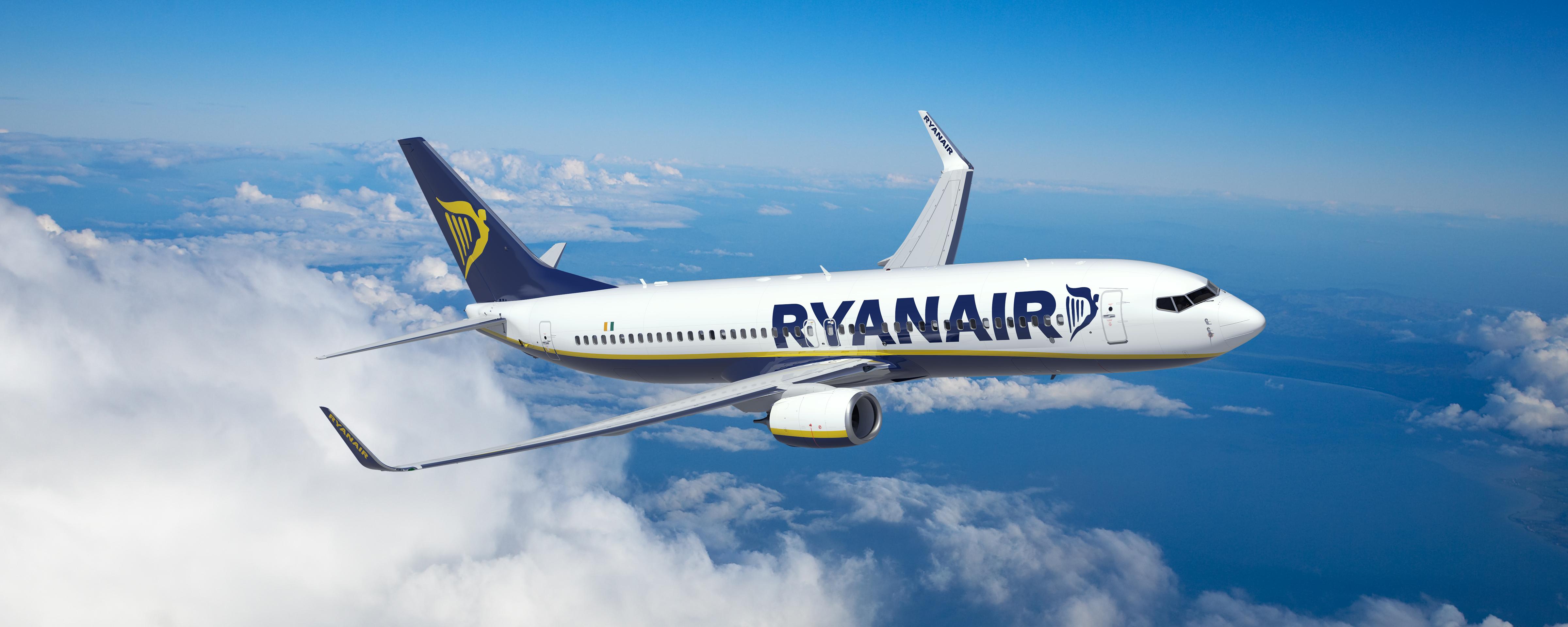
CEO Michael O'Leary noted that lower fares were a response to consumer hesitancy stemming from the Middle East conflict, stating, “There's a war going on in the world. There's a lot of uncertainty.” He forecasted a mid-single-digit year-on-year fall in fares for the current quarter, indicating that pricing trends are “trending weaker rather than stronger.”78
Ryanair's conservative hedging policy has left it better protected than competitors, with 80% of its fuel needs for FY27 hedged at $67 per barrel. However, the 20% unhedged fuel has significantly impacted profits. The airline's shares fell 5.7% on both Euronext Dublin and Nasdaq following the profit announcement.
Despite the challenges, Ryanair's customer satisfaction score reached a record 91%, up 2 percentage points from the previous year. The airline remains cautious about future earnings, stating that results will be “highly sensitive” to external factors, including the ongoing conflict in the Middle East and fluctuating fuel prices.
“Ryanair's fuel costs are set to jump next year, with 15% of FY28 fuel hedged at $85 per barrel. Separately, the company's shares fell 5.7% as profit missed analyst expectations despite a record customer satisfaction score of 91%.”


 City AM



