- Ukrainian strikes have triggered a new fuel crisis in Russia, affecting at least 30 regions, particularly Moscow and its surrounding areas.
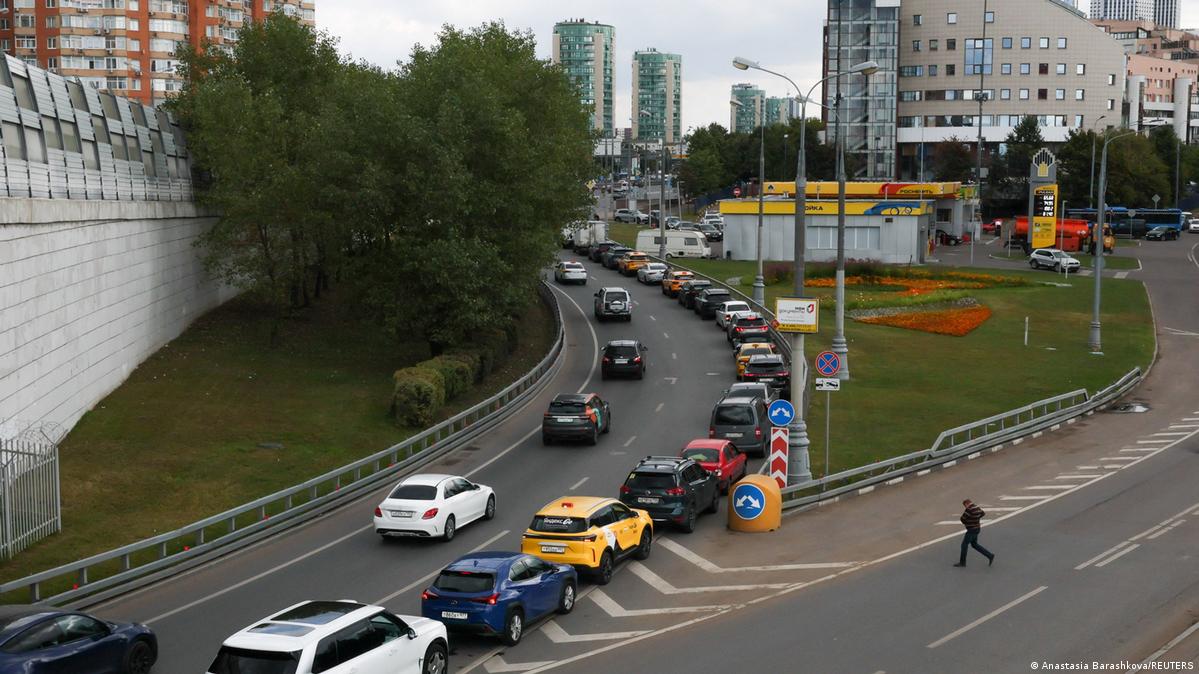
- Gas station chains Gazprom Neft and Tatneft have restricted fuel sales in the capital, leading to long queues at gas stations.
- Reports indicate that there is no gas available in Sochi, causing significant disruption.
- The Russian parliament's energy committee expects the gas supply situation to normalize within two to three weeks, but economists are skeptical.
- Economists warn of a long-term decline in oil production, which could lead to a systemic crisis in Russia.
- Authorities are considering imports from India and China to address the fuel shortages, but experts deem this plan not viable.
- Municipal services and security personnel are given priority access to fuel, causing public resentment among those waiting in line.
- Economists suggest that the fuel crisis could cripple the economy and hasten the end of the war.
- The previous fuel shortage wave in Russia began in late May and lasted until mid-July, highlighting ongoing vulnerabilities in the energy sector.
- Ukrainian strikes on warehouses of the e-commerce giant Wildberries have caused significant economic damage, which President Putin acknowledged.
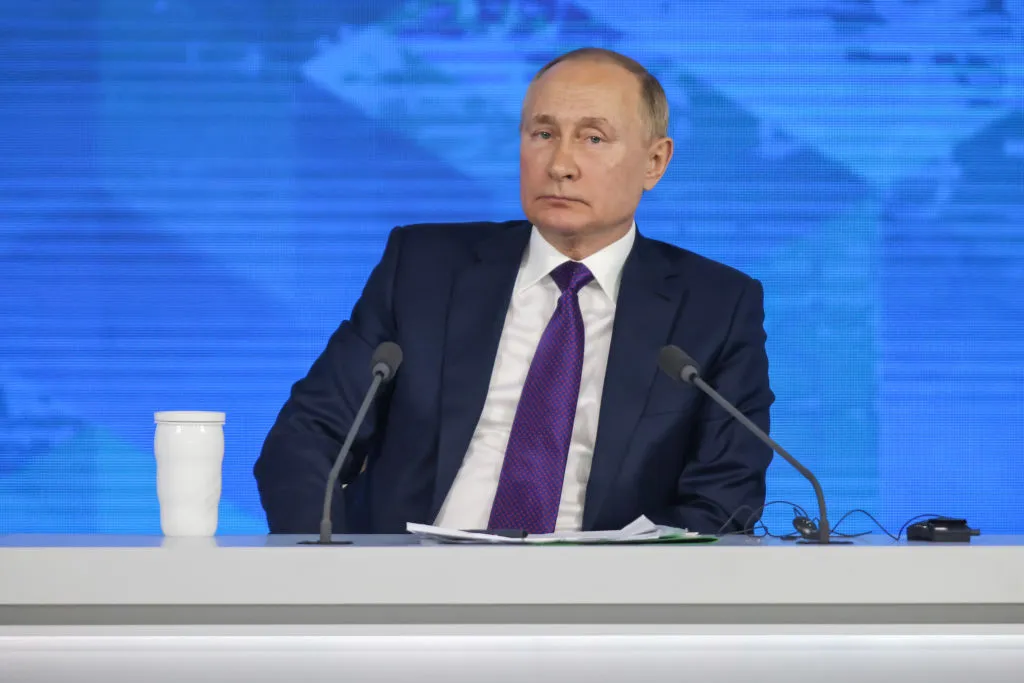
Russia's fuel crisis has escalated, affecting 30 regions, particularly Moscow, as Ukrainian strikes target refineries. President Putin acknowledged the economic damage but minimized its long-term effects, stating, "These attacks will not have... critical consequences." However, economists warn of a looming systemic collapse due to falling oil production and rising prices.1215
The crisis has led to fuel shortages at major gas stations like Gazprom Neft and Tatneft, with reports of long lines at pumps. Oleg Grigorenko, editor-in-chief of an independent media portal, noted, "It's not just a personal problem... It's also an economic problem." The construction and transportation sectors are particularly hard-hit, with taxi drivers and couriers losing business due to fuel dependency.34
Fuel quality is also deteriorating, causing engine issues for many drivers. Igor Korzhenevsky reported, "The car won't start and has to go to the garage... garages have waitlists of several months, even in Moscow." Oil production has plummeted from 11.5 million barrels per day in 2019 to less than 9 million today, with projections suggesting it could fall to 8 million if current trends continue.
The Russian government is considering fuel imports from countries like India and China, but experts doubt this will suffice. Vyacheslav Shiryaev stated, "It's impossible to ensure a daily supply of 200,000 tonnes of fuel..." As the crisis deepens, municipal services are prioritized for fuel, causing public resentment.1112
Economists warn that without significant changes, Russia may face a complete economic and systemic crisis.89
“Economist Nikolai Korzhenevsky says Russia's oil production has fallen from 11.5 million barrels per day in 2019 to under 9 million now, and could drop to 8 million if refining problems worsen. Meanwhile, authorities prioritize municipal and security vehicles, sparking resentment among citizens waiting hours for fuel.”


 DW
DW