TL;DR by CuriousCats.ai
Fuel crisis worsens as rationing spreads
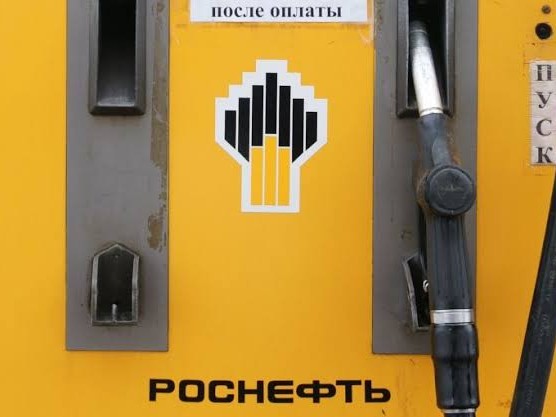
- Petrol availability has dropped to fewer than three in ten stations nationwide, with queues forming in Moscow for the first time.
- Fuel restrictions including volume caps and QR rationing have been implemented in nearly all regions as of last Saturday.
- Russian officials began acknowledging a renewed fuel shortage crisis late last week.
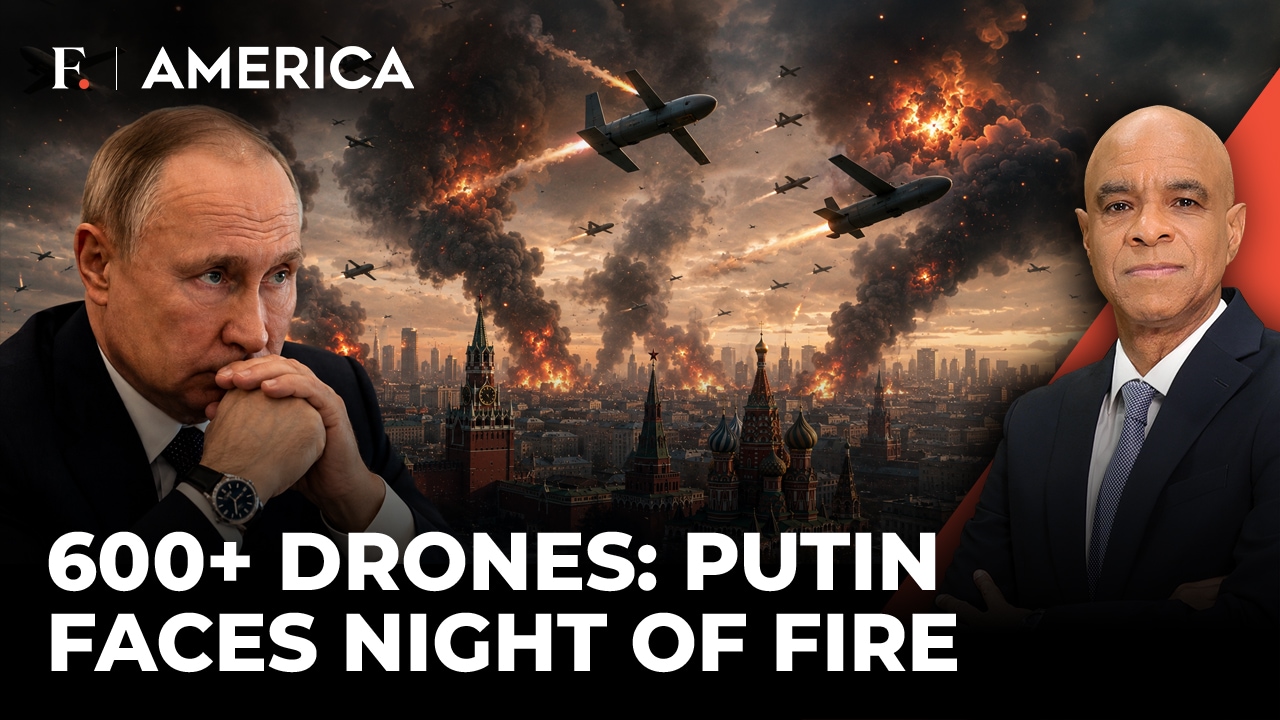
- On Tuesday, a massive drone wave of at least 600 drones hit Moscow, resulting in panic and casualties.
Context of the fuel crisis in Russia
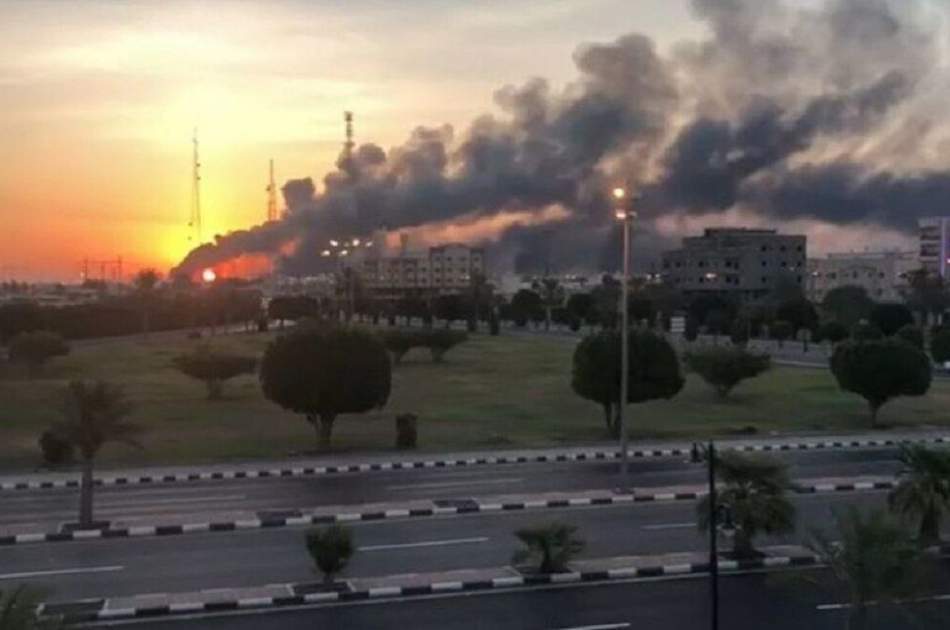
- Ukrainian drone strikes have severely impacted Russian refineries, with every major refinery struck by early July and nearly a dozen more facilities hit in August.
- Putin has described the fuel shortage as 'non-critical', despite the ongoing crisis.
- Damage from drone attacks has led to a significant reduction in petrol output, creating a daily deficit.
CuriousCats Full Story
Key Insight
“The crisis stems from Ukrainian drone strikes on refineries, with damaged facilities now accounting for 54% of national refining capacity. Daily petrol output has fallen to 75,000–80,000 tonnes against summer demand of 115,000–120,000 tonnes, a deficit of roughly 35%.”
CuriousCats studied:
1 Crude Oil Prices Today | OilPrice.com
Crude Oil Prices Today | OilPrice.com“Tuesday saw one of the single biggest drone waves on Moscow of the war, for example, with at least 600 sent against the capital region, resulting in widespread panic and some casualties.”
Crude Oil Prices Today | OilPrice.com →2 Euronews.com
Euronews.com“Petrol was available at fewer than three in 10 petrol stations across Russia on Wednesday, the latest sign that a second wave of fuel shortages is hitting harder than the first, with queues forming at pumps in Moscow for the first time.”
Euronews.com →Ask CuriousCats
What caused Russia's fuel crisis?
How is petrol rationing implemented in Moscow?
Who is affected by the declining petrol availability?
Are other regions experiencing similar fuel shortages?
Which countries have faced similar crises recently?