- A 28-year-old woman in Russia died on Friday from an illness of undetermined origin, according to the World Health Organization and a Russian official.
- The U.S. State Department is monitoring reports of a fatal case of suspected pneumonic plague in the Irkutsk region, in coordination with the Centers for Disease Control and Prevention.
- Nearly 200 people who came into contact with the woman are under precautionary medical observation, according to Russian media.
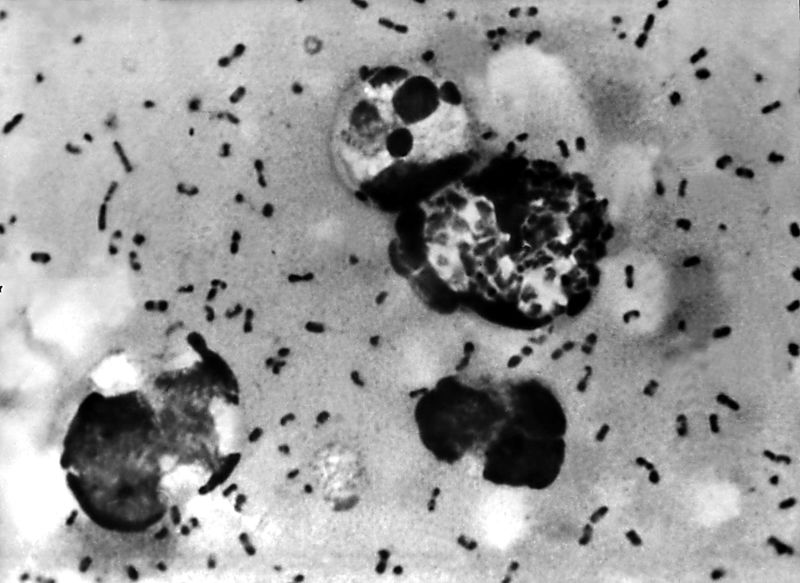
- Plague is caused by Yersinia pestis bacteria, known as the Black Death during the 14th century, and triggered several global pandemics before antibiotics were discovered.
- Bubonic plague is the most common form, transmitted through flea bites or contact with infected rodents, and can become pneumonic plague if untreated, which spreads person-to-person via respiratory droplets.
- Pneumonic plague spreads through respiratory droplets that travel only three to six feet and drop quickly, so close face-to-face contacts are most at risk.
- Pneumonic plague is the rarest and deadliest form, progressing rapidly; symptoms appear within one to two days and treatment is needed within 48 hours to prevent fatal complications.
- Antibiotics are highly effective against plague, and there is no evidence of evolving resistance; experts say it is unlikely to cause a pandemic like Covid-19.
A Russian lab worker's death from suspected pneumonic plague has raised alarms, with the U.S. State Department actively monitoring the situation. The 28-year-old woman, who worked at the Irkutsk Anti-Plague Institute, died Friday, but the cause remains officially undetermined.1235678910
A Russian official stated she succumbed to pneumonia of “undetermined origin”, distancing her death from her professional environment. However, the U.S. State Department is coordinating with the Centers for Disease Control and Prevention to assess the potential risk of pneumonic plague, a rare but deadly form of the disease.
Currently, nearly 200 individuals who had contact with the deceased are under precautionary medical observation, as health officials work to determine the nature of her illness. Pneumonic plague, caused by the Yersinia pestis bacteria, can spread through respiratory droplets, making close contacts particularly vulnerable.
Dr. William Schaffer, an infectious diseases expert, emphasized that while pneumonic plague is the rarest form, it is also the deadliest, with symptoms appearing within one to two days of exposure. Prompt treatment is crucial, as patients require antibiotics within 48 hours of symptom onset to prevent fatal complications.111213
Despite the concerns, experts like Dr. Dave Wagner assure that antibiotics are highly effective against plague, and there is no evidence of the bacteria evolving resistance. “We will not turn 2026 into the Middle Ages,” he stated, reassuring the public about the current state of plague management.
“The 28-year-old woman died Friday of pneumonia of undetermined origin, and a Russian official did not link her death to her work at the Irkutsk Anti-Plague Institute. The U.S. State Department is coordinating with the CDC, while experts note pneumonic plague requires treatment within 48 hours but is treatable with antibiotics.”


 Forbes