- Ukrainian military drones took down several Russian data centers belonging to Yandex.
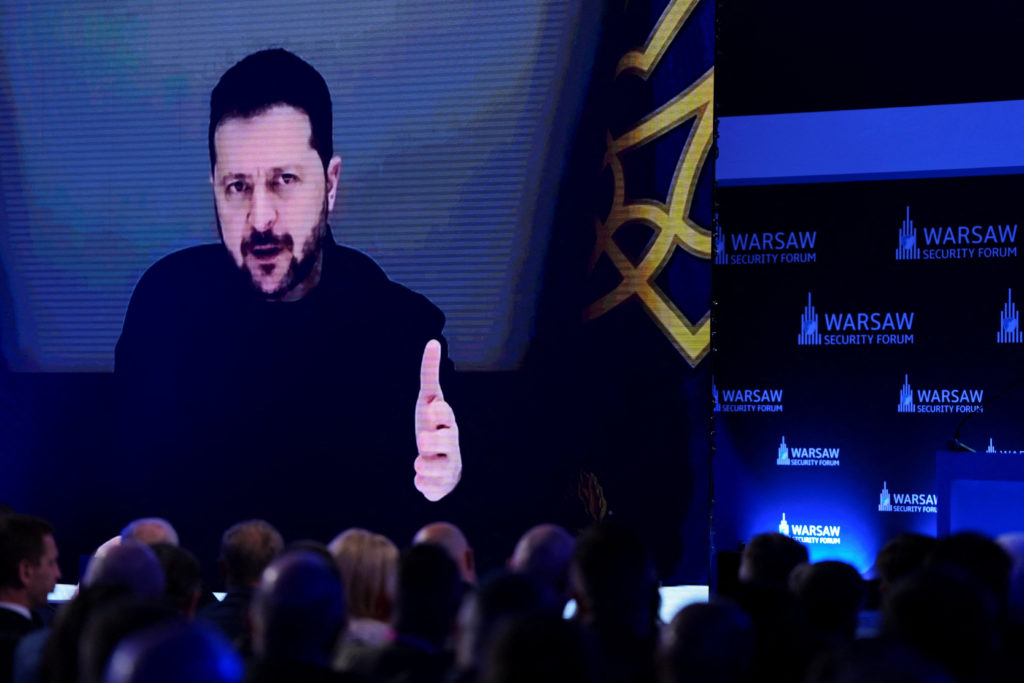
- President Zelenskyy claimed the strikes hurt Russia's disinformation efforts, stating, “It suddenly became a little easier to breathe on many social platforms”.
- Social media users reported less traffic from MAGA and AfD accounts, as well as a drop in spam calls.
- Tech experts explained that the strikes affected Yandex's web crawlers, not disinformation operations.
- Antibot4navalny reported that bot traffic is steady as ever, with Kremlin-aligned accounts still posting.
- Danish analyst Valdemar Osted found no significant change in AfD or MAGA account interactions since the strikes.
- Zelenskyy asserted that the drone operation targeting Yandex has cut down on spam and disinformation campaigns from Russian bot farms.
- Experts clarified that the term “bot” can refer to both web crawlers and online trolls, leading to public confusion.
- Claims of a dramatic drop in bot activity lack solid evidence, according to researchers tracking Russian disinformation.

Ukrainian President Volodymyr Zelenskyy claimed that drone strikes on Yandex's data centers have diminished online disinformation, stating, “it suddenly became a little easier to breathe on many social platforms.” He noted “less hate, less division, and fewer provocations” due to fewer bots.12
However, analysts dispute this assertion. Valdemar Osted, a Danish analyst, reported that interactions on MAGA and AfD accounts have not significantly declined. “We see no ‘dramatic drop’ in traffic of Kremlin-aligned human trolls-for-hire,” said a group tracking Russian disinformation.34710
The drone strikes primarily disrupted Yandex's web crawlers, not the operations of online trolls. “I’m sorry to burst everyone’s bubble, but as of now, there is no solid evidence that Russian bot farms have become inactive due to the Yandex data centre strikes,” stated Vatnik Soup, another disinformation tracking group.5

Despite the lack of evidence, the narrative of a bot takedown has gained traction. “The ‘Russian bot takedown’ story is satisfying because people are tired of suspected manipulation,” noted analyst DiResta. This reflects a broader public sentiment against perceived online manipulation, even as the reality remains complex.
A 2023 study from Indiana University highlighted that participants often overestimate the prevalence of bots, indicating a societal struggle to differentiate between authentic and inauthentic online activity.
“Danish analyst Valdemar Osted found AfD interactions changed by −8% to +5% and MAGA by +4% to +10% after the strikes, calling it ordinary noise. The account antibot4navalny reported that Kremlin-aligned accounts continued posting demands for the EU to lift sanctions on Russia.”
Mother Jones