- Russia has extended its bans on export of diesel and gasoline until January 31, 2027, it said in a statement on Thursday.
- Moscow first banned diesel exports from July 8 through July 31 after repeated Ukrainian drone attacks knocked refineries offline, triggering fuel shortages and price spikes across Russia.
- The new order covers gasoline, diesel, marine fuel, and gas oils.
- Gasoline restrictions will remain in place despite the extension.
- Russia initially introduced the ban on diesel from July 8 to July 31 as part of a broader package of measures to support the domestic fuel market after repeated Ukrainian drone attacks on oil refineries triggered fuel shortages and price spikes.
- From September 1, however, producers' exports will be exempt from the restrictions on diesel, marine fuel, and gas oils.
- Some fuel exports will still take place under intergovernmental agreements and in the form of humanitarian aid, the statement said.
- Russia has adopted a separate procedure through November 1 to make sure farmers have enough fuel during harvest season.
- Deputy Prime Minister Alexander Novak said last weekend that several refineries had restarted and conditions at filling stations had improved considerably.
Russia has extended its bans on diesel and gasoline exports until January 31, 2027, as part of efforts to stabilize its domestic fuel market following significant disruptions. The bans were initially introduced on July 8 after Ukrainian drone attacks led to fuel shortages and price spikes across the country.1
The government stated that the restrictions aim to maintain stability in the domestic market, which has seen improvements since several refineries restarted operations. Deputy Prime Minister Alexander Novak noted that conditions at filling stations have improved considerably.9
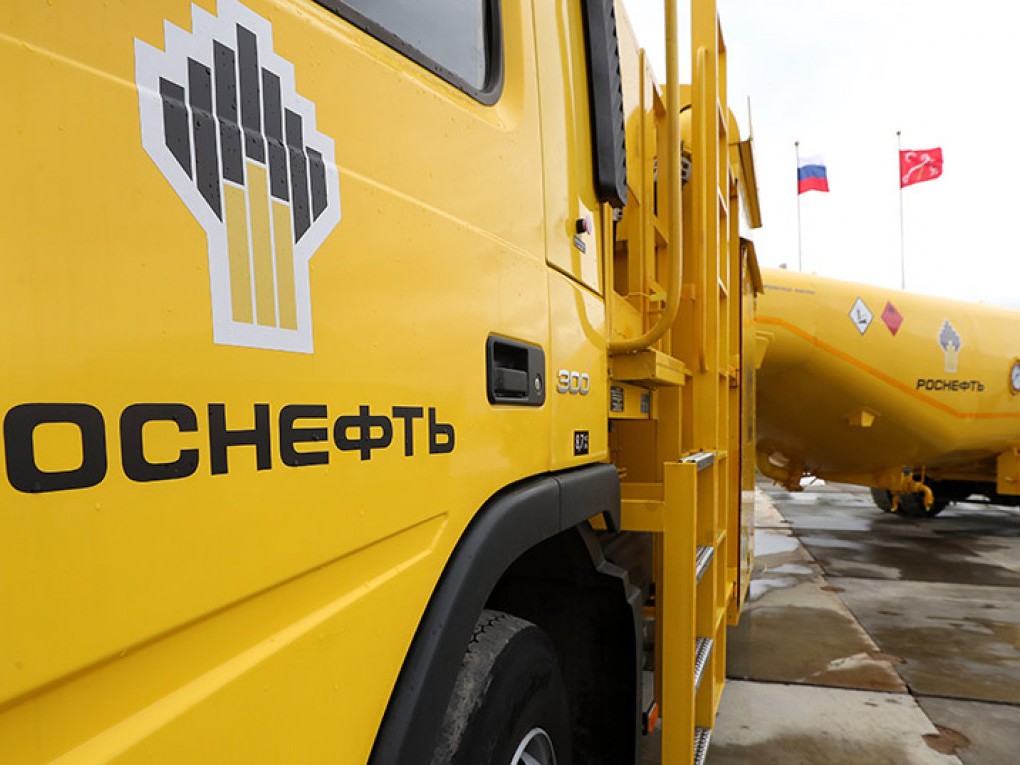
While the bans cover gasoline, diesel, marine fuel, and gas oils, exports of diesel, marine fuel, and gas oils will be allowed again starting September 1 for Russian producers, although other exporters will remain restricted. Shipments under intergovernmental agreements or as humanitarian aid will continue, ensuring some level of export activity despite the bans. The government has also implemented a separate procedure to ensure farmers have adequate fuel during the harvest season.
This extension of the export bans comes just days after officials indicated that the diesel ban would be lifted once the domestic market stabilized, highlighting the ongoing volatility in Russia's fuel supply chain.
“The bans were initially introduced to address fuel shortages and price spikes caused by Ukrainian drone attacks on oil refineries. Deputy Prime Minister Alexander Novak noted that conditions at filling stations have improved considerably, with several refineries having restarted operations.”
 Crude Oil Prices Today | OilPrice.com



