- Ukraine resumed attacks at the end of last week after refraining for two weeks.
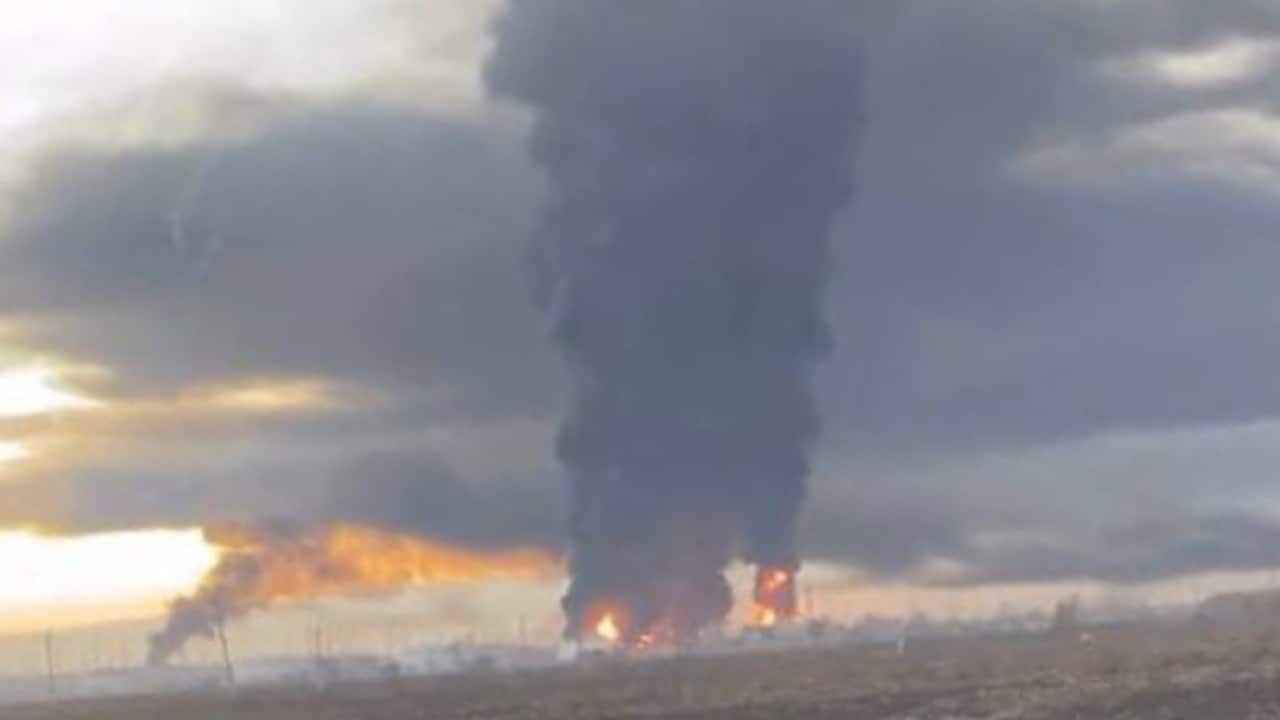
- On Friday, a Ukrainian drone attack struck the Novokuibyshevsk refinery in Russia's Volga region, marking the first Ukrainian strike on a Russian refinery since October 15.
- During the weekend, Ukrainian drone attacks also hit a Rosneft refinery in Bashkortostan and Lukoil's refinery in Nizhny Novgorod.
- On Sunday night, both Kyiv and Moscow reported that air alert apps were hacked, sending out fake attack warnings, including nuclear alerts.
- A few hours later, Russian authorities confirmed that a similar app was hacked, triggering fake alerts that included foul language.
- On Monday, a major oil hub in Russia's Volga region appeared to have caught fire after an attack, according to Bloomberg citing satellite images.
- U.S. President Donald Trump has pressured Ukraine to halt strikes on Russian refineries ahead of the U.S. midterm elections.
- Trump and his Administration have accused Ukraine of contributing to the diesel crisis, which sent U.S. retail diesel prices to record highs in September.
- Last month, President Trump claimed he had helped broker an energy ceasefire between Russia and Ukraine.
- Trump has pressured Kyiv to stop attacking Russian refineries as global diesel supplies tighten and U.S. diesel prices remain above $6 per gallon.
- As of November 2, the U.S. national average retail diesel price is $6.33, up from $3.68/gallon at this time last year.


Russia and Ukraine are grappling with a series of hacking incidents that compromised air alert applications, leading to the dissemination of false attack warnings. Both nations confirmed that their respective apps were hacked on Sunday night, triggering alarms that included nuclear threats.4
In a related escalation, Ukraine has resumed drone strikes on Russian refineries, marking a significant return to offensive operations after a two-week hiatus. The strikes targeted key facilities in the Volga region, including the Novokuibyshevsk refinery, which is part of Rosneft, Russia's largest oil company. This attack was the first on a Russian refinery since October 15, highlighting a renewed focus on crippling Russia's energy infrastructure.2

The situation is further complicated by U.S. political pressures, as President Trump has urged Ukraine to halt its refinery strikes, citing concerns over rising diesel prices in the U.S. As of November 2, the national average retail diesel price reached $6 per gallon, a significant increase from $3.68 a year prior. Trump has accused Ukraine of exacerbating the diesel crisis, which has implications for the upcoming U.S. midterm elections.8
The hacking incidents and military actions underscore the ongoing volatility in the region, as both nations navigate the complexities of warfare and international diplomacy amidst rising energy costs and geopolitical tensions.
“The alerts come as Ukraine has hit three Russian refineries since Friday, including the Novokuibyshevsk refinery, the first such strike since October 15. This has pressured Trump to urge Kyiv to halt attacks, as U.S. diesel prices remain above $6 per gallon.”
Crude Oil Prices Today | OilPrice.comBBC