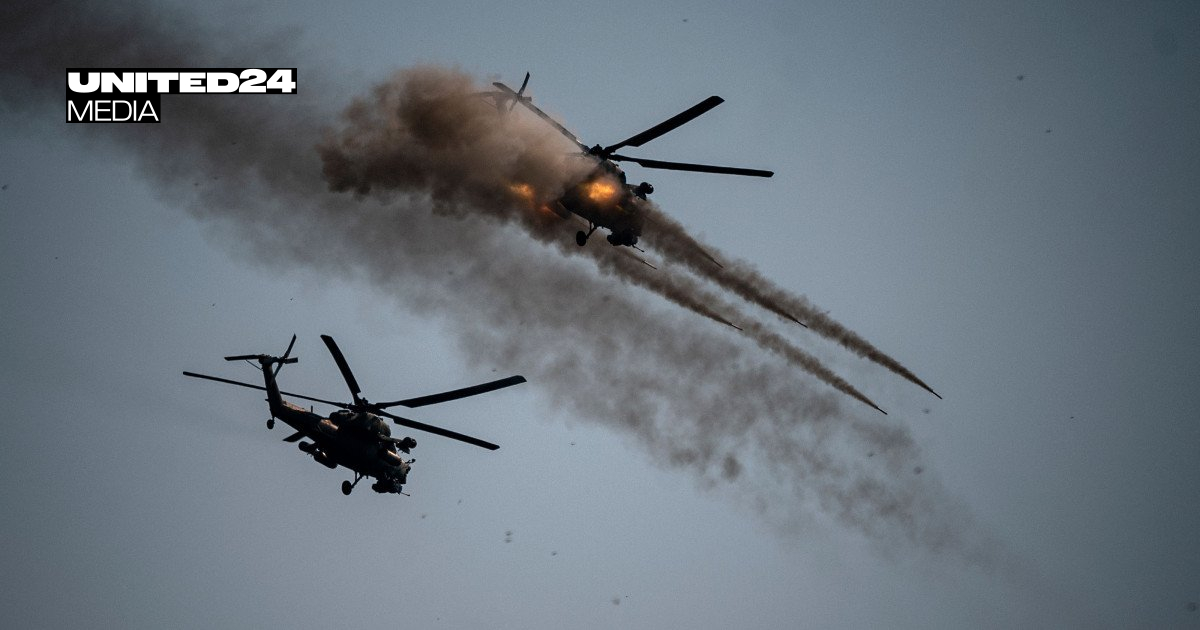
- On November 5, 2026, the Financial Times reported that Russia agreed to supply Iran with 90 APU-L launchers for LMUR missiles, which are extensively used against Ukraine.
- The production plan for 2024-2025 from Russian defense manufacturer Vympel includes an order for 90 APU-L launchers from a customer designated 'K-10'.
- The order for the launchers has been confirmed by Rosoboronexport as intended for Iran.
- The APU-L launchers are designed primarily for Mi-28 attack helicopters and can carry two LMUR guided missiles, which Russia has used extensively against Ukrainian targets since 2022.
- The LMUR missiles allow operators to adjust their flight paths after launch and strike moving targets, with a range of approximately 14.5 kilometers.
- This agreement reflects the continued military cooperation between Moscow and Tehran, with Iran previously supplying Russia with Shahed attack drones used against Ukraine.

Russia has agreed to supply Iran with 90 APU-L missile launchers for precision-guided missiles, as reported by the *Financial Times* on November 5. This agreement, based on Russian defense documents, highlights the deepening military cooperation between Moscow and Tehran amidst the ongoing conflict in Ukraine.1
The documents, sourced from Ukrainian private intelligence organization Dallas Analytics, outline a production schedule for 2024 and 2025, identifying the order for the launchers under the codename "K-10," which is used by Russia's state arms exporter Rosoboronexport for Iran. The APU-L launchers are designed primarily for Mi-28 attack helicopters and can carry two LMUR guided missiles, known as Izdeliye 305, which have been extensively deployed by Russian forces against Ukrainian targets since 2022.34
The LMUR missiles allow operators to adjust their flight paths post-launch, enabling strikes on moving targets. With a range of approximately 14.5 kilometers, these missiles feature an electro-optical seeker and in-flight guidance adjustments. Nicole Grajewski of the Carnegie Endowment for International Peace noted that this agreement underscores Moscow's commitment to supplying Iran despite its own wartime equipment needs.5
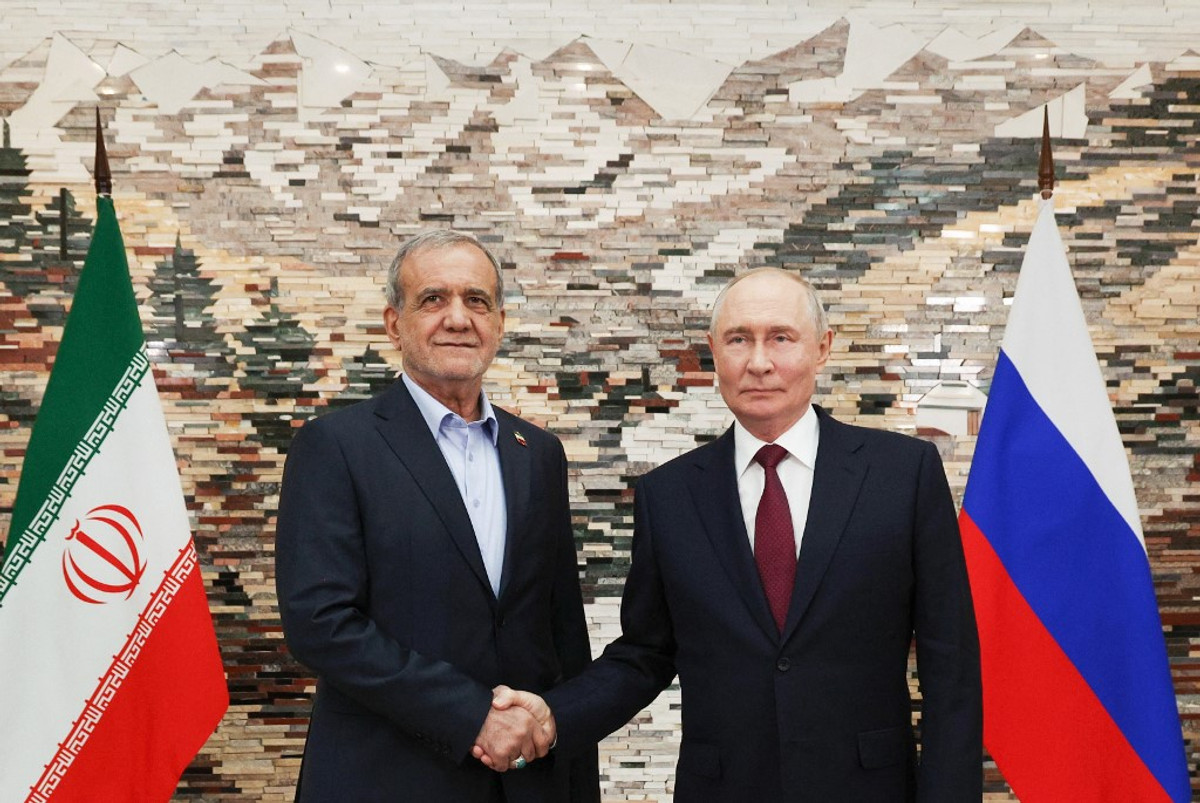
The military partnership between Russia and Iran has significantly expanded since the onset of Russia's full-scale invasion of Ukraine in February 2022. Iran has previously supplied Shahed drones to Russia, which have been used against Ukrainian cities, while Russia is now suspected of reciprocating by providing military equipment and expertise to Tehran.
The documents do not confirm whether the 90 launchers have been delivered yet, but they indicate a robust ongoing collaboration between the two nations in military affairs.
“The order includes APU-L launchers for Mi-28 attack helicopters, models also being supplied to Iran. The documents do not confirm whether the 90 launchers have been delivered, leaving the transfer's completion unclear.”
UNITED24 Media