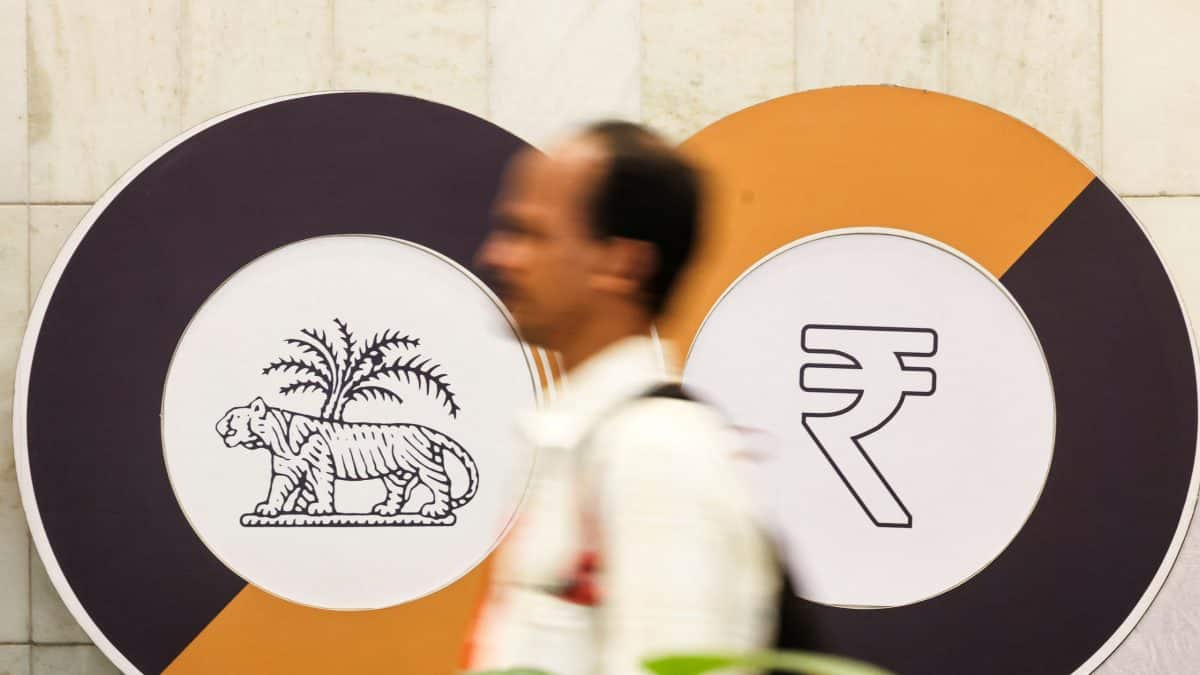
- The Indian rupee has gained for five consecutive trading sessions, opening at 94.35 against the US dollar on Thursday, as falling crude oil prices, a weaker dollar and renewed foreign investor buying improve sentiment towards Indian financial markets.
- The rupee depreciated 9 paise to 94.55 against the U.S. dollar in early trade on Thursday (November 5, 2026), pressured by the broad strength of the American currency in the overseas market.
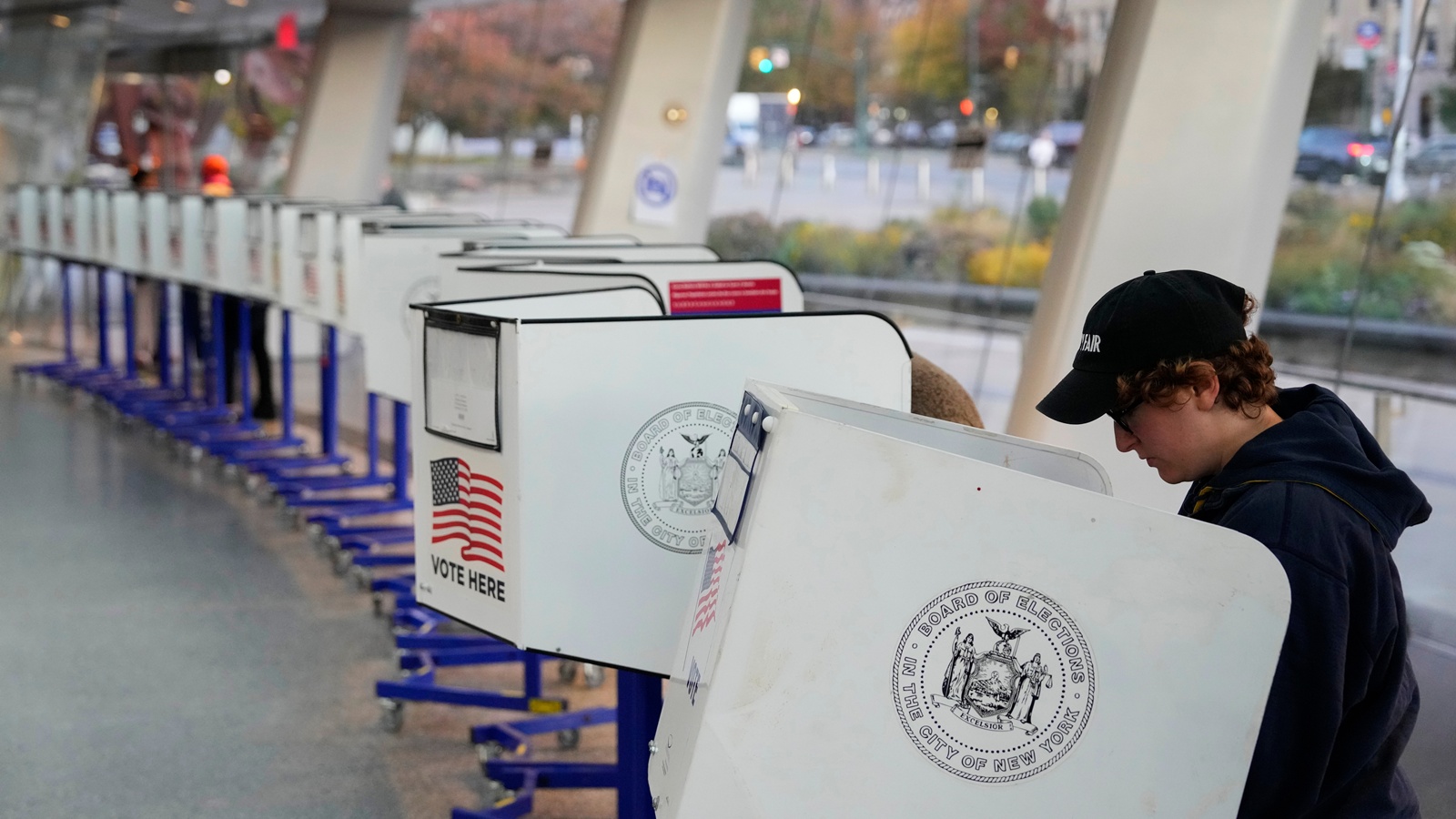
- Brent crude plunged over 8% overnight, breaking below $100 per barrel, triggered by the sweeping Democratic victory in the U.S. midterm elections.
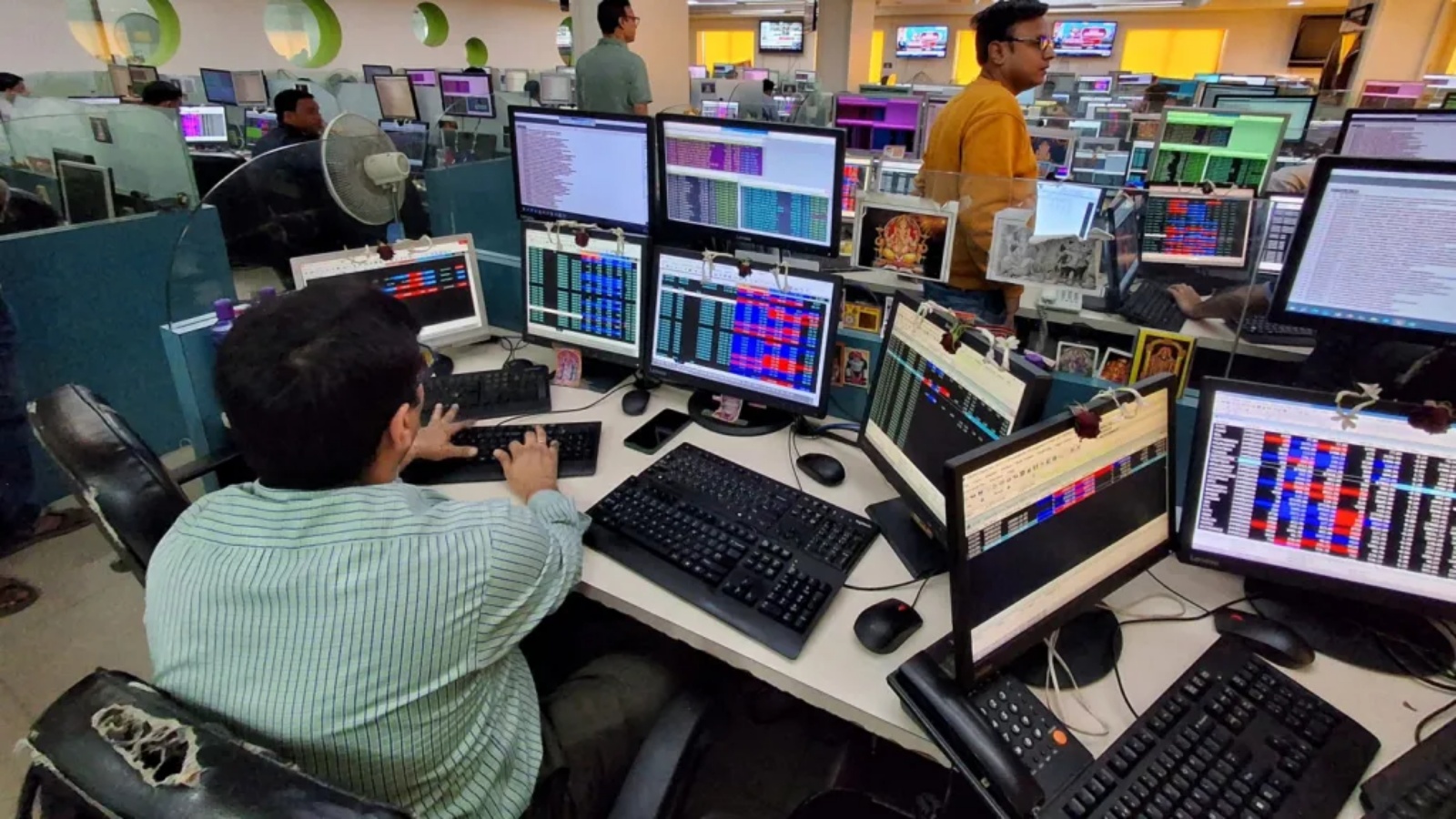
- Foreign portfolio investors bought shares worth Rs 7,284 crore on Wednesday, marking their fourth consecutive session of buying, according to provisional data.
- A key trigger for the rally across markets is the outcome of the US midterm elections. The Democratic Party's decisive victory and the Republican Party's loss of control of Congress have prompted investors to reassess the possibility of a prolonged conflict between the US and Iran.
- Forex traders said a positive domestic market and softening of crude oil prices cushioned the downside.
- India imports nearly 90 per cent of its crude oil requirements, making international energy prices a major factor in its economic and currency outlook.

The Indian rupee's five-day rally came to a halt as it slipped 9 paise to 94.55 against the U.S. dollar on November 5, 2026. The decline was attributed to the strengthening of the dollar in the global market, despite supportive factors such as falling crude oil prices and foreign institutional buying.2
The rupee opened at 94.36 before falling to 94.55, marking a 9 paise drop from its previous close of 94.46. Forex traders noted that a positive domestic market and softening crude oil prices cushioned the downside. Brent crude was trading at $93.64 per barrel, down 1.04%, following a significant drop of over 8% overnight, influenced by the Democratic Party's victory in the U.S. midterm elections.35
Anil Kumar Bhansali, head of treasury at Finrex Treasury Advisors LLP, stated, “Forward-looking markets are aggressively erasing the geopolitical risk premium built up from the US-Israel conflict with Iran”. This sentiment has led to renewed foreign investor interest, with foreign portfolio investors purchasing shares worth ₹7,284 crore ($769.65 million) on November 4, marking their fourth consecutive session of buying.4
The rupee's recent gains were also supported by a decline in the U.S. dollar index, which measures the dollar against a basket of six currencies. A weaker dollar generally supports emerging market currencies, reducing pressure on their exchange rates. However, the risk of further military escalation in the Middle East remains a concern, as any disruption to oil shipments could reverse the recent decline in crude prices and negatively impact the rupee again.
“Brent crude plunged over 8% overnight, breaking below $100 per barrel, as a Democratic-controlled Congress is expected to constrain military escalation. Foreign portfolio investors bought shares worth Rs 7,284 crore on Wednesday, marking a fourth consecutive session of buying.”


 Firstpost