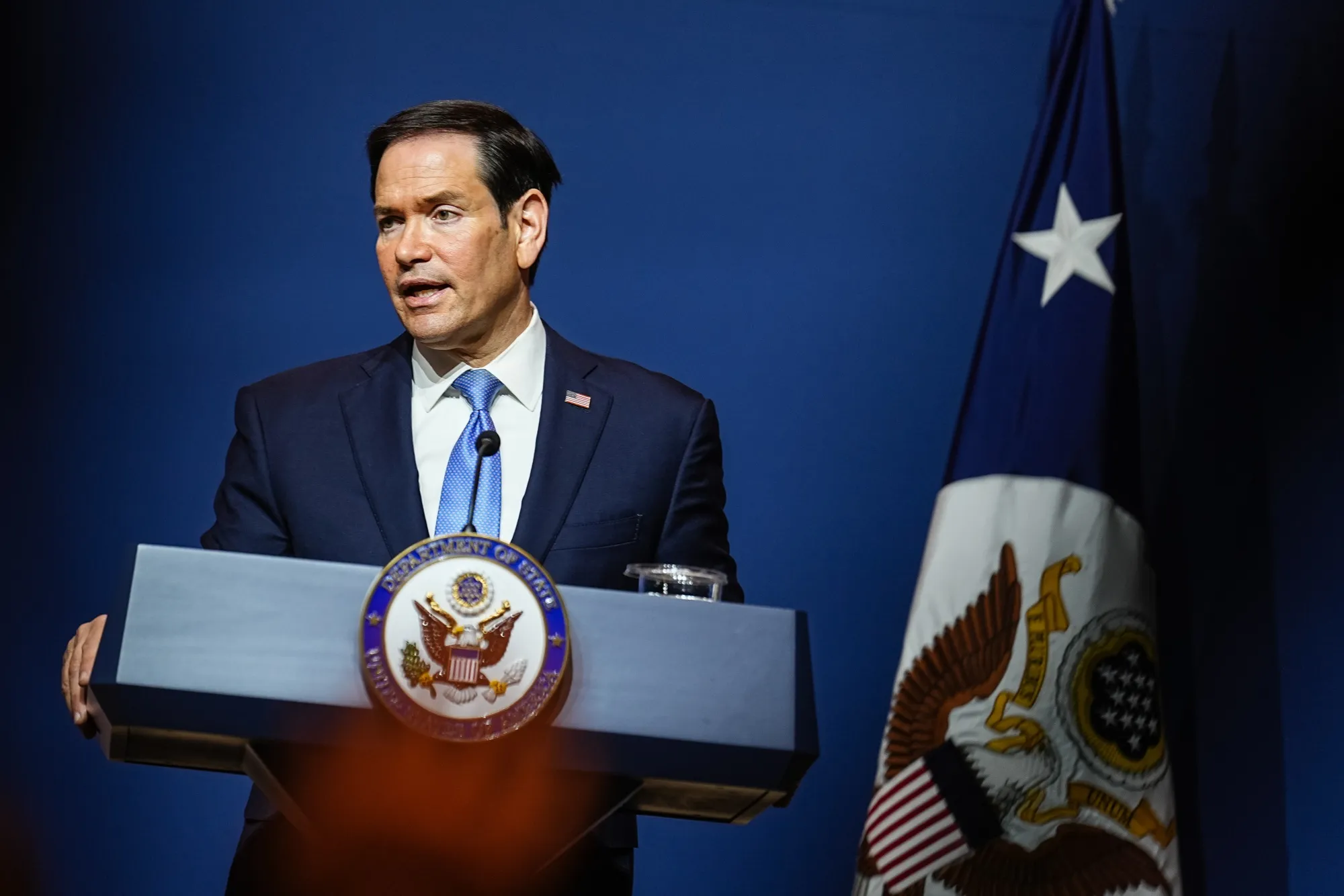
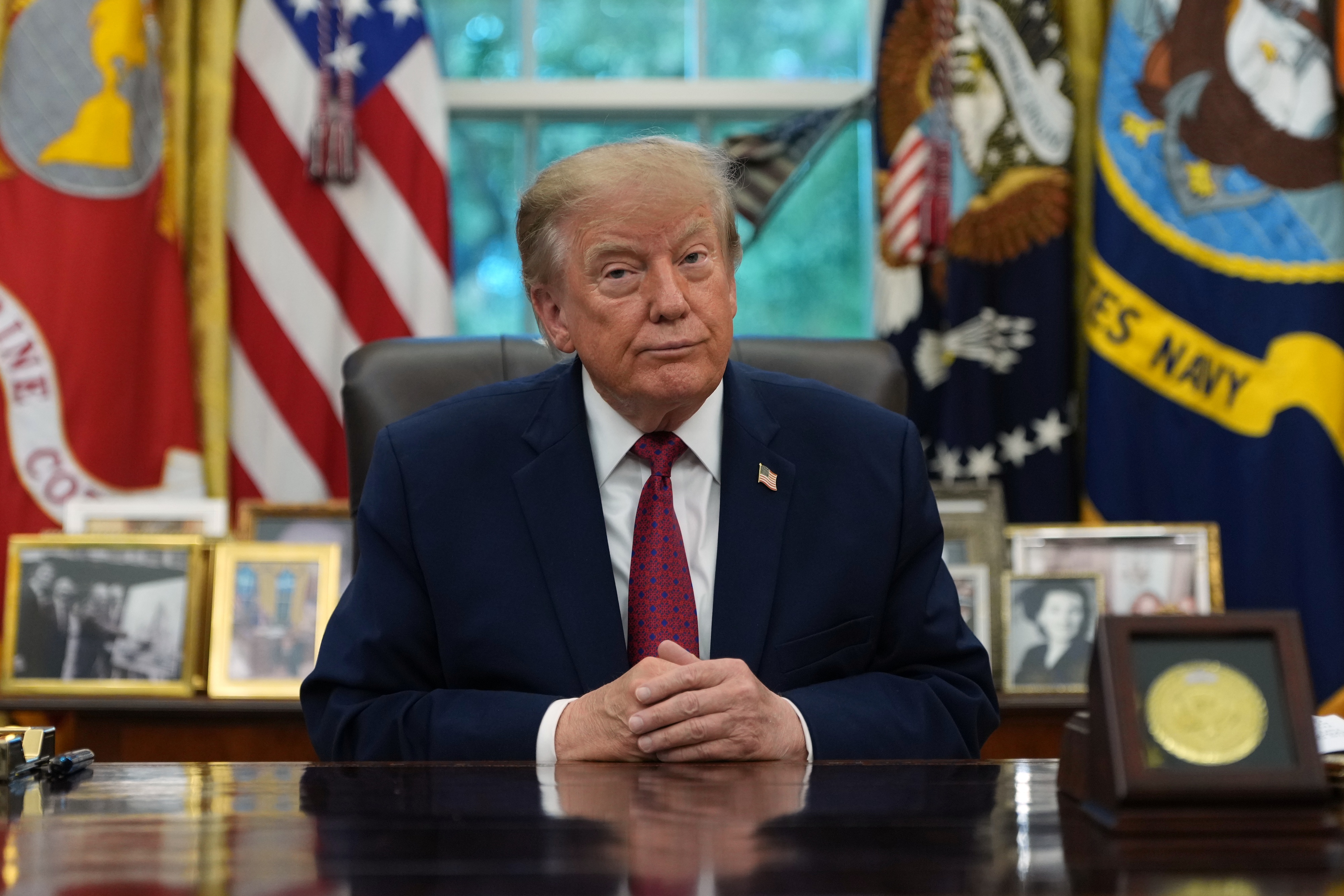
- Secretary of State Marco Rubio defended President Trump’s decision to enter the conflict with Iran, arguing that the administration had to confront a threat even if doing so was unpopular.
- Rubio added that confronting difficult challenges for national security may not be popular but is necessary.
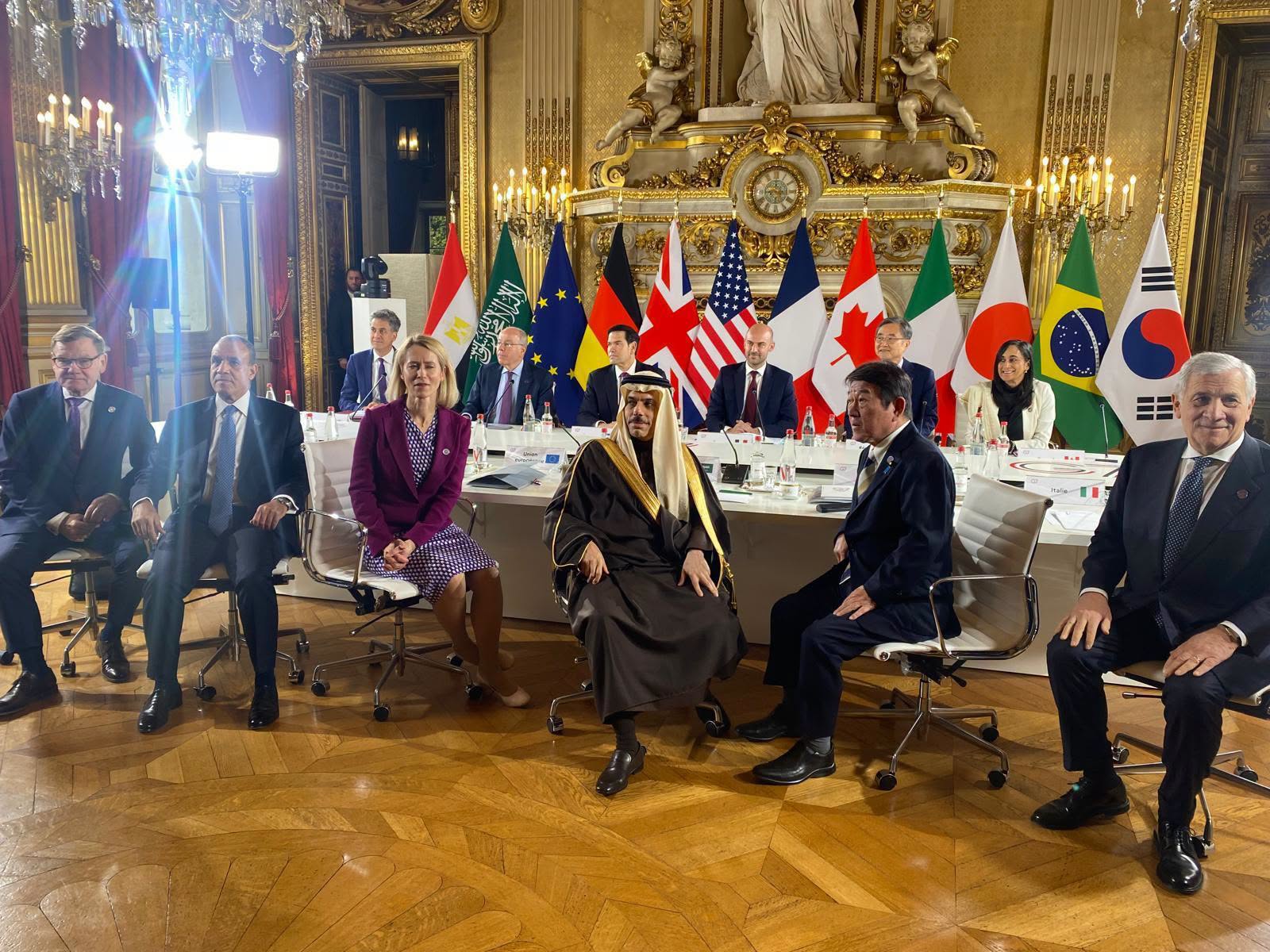
- Rubio’s remarks came ahead of his meeting with G7 counterparts in Paris on Monday.
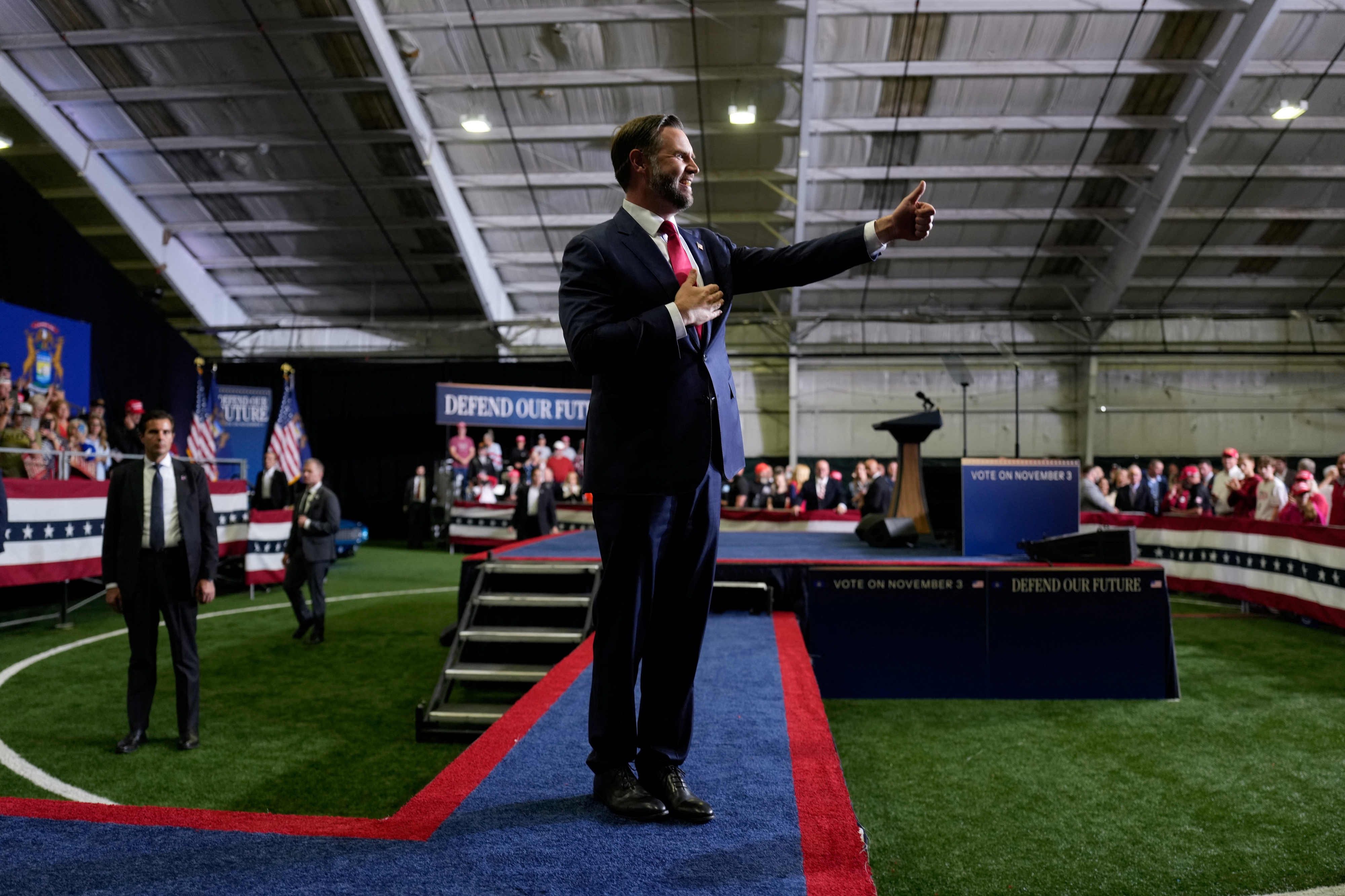
- In the aftermath of the election, Vance stated that the reason for the loss was the war, citing the president’s own admission, and argued that losing the Senate was a worthwhile cost if one believed the war was worth it.
Senator Marco Rubio defended President Trump's decision to engage in the Iran conflict, asserting it was a necessary action despite its unpopularity. Speaking at Homestead Air Reserve Base in Florida, Rubio stated, “The President of the United States identified a very real threat to this country that’s existed for a very long period of time, and he addressed it.”12
Rubio emphasized that confronting such threats is often not popular, saying, “the right thing to do for the country — confronting difficult challenges for the security of our country — doing it isn’t necessarily popular but necessary.”

His remarks were made just before his participation in G7 talks in Paris, where global leaders are expected to discuss various pressing issues, including international security and cooperation. Rubio's defense of Trump's actions highlights the administration's stance on national security, which it views as paramount even in the face of potential political backlash.4
As tensions with Iran escalate, the implications of Trump's decisions will likely be a focal point of discussions among G7 leaders, reflecting the broader geopolitical landscape and the challenges of maintaining security in a complex world.
“Rubio argued the president identified a 'very real threat' that has 'existed for a very long period of time' and addressed it. His defense came as Vice President Vance linked the election loss to the war, calling losing the Senate 'worthwhile' if the war was worth it.”