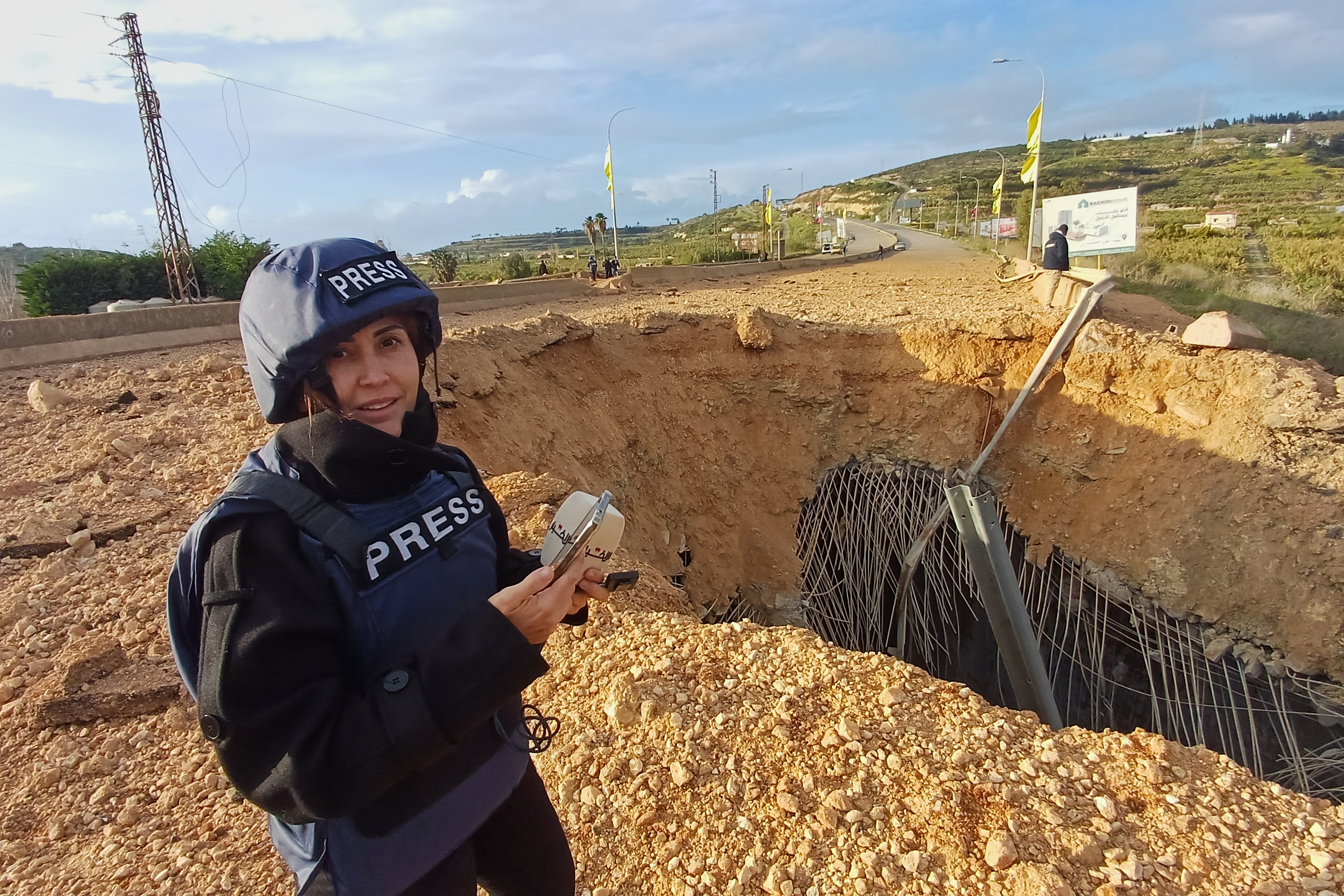
- Israeli strikes in al-Tiri on April 22 killed Lebanese journalist Amal Khalil and wounded her colleague Zeinab Faraj after initially targeting two men in a car.
- Rights groups including HRW and Amnesty conducted an investigation and concluded that the attack was an apparent war crime due to evidence of deliberate targeting and obstruction of medical access.
- The Israeli military denied targeting journalists, stating that the strikes were aimed at Hezbollah operatives and that the incident is under review.
- The rights groups reported that Israeli drones were monitoring Khalil and Faraj before the strikes, indicating that the military was aware of their presence.
- The Lebanese Red Cross faced obstruction when trying to reach Khalil, as they were fired upon while attempting to provide medical assistance.
- Khalil died from cardiac arrest due to head trauma and severe bleeding, hours after paramedics were initially turned away.
- Human Rights Watch and Amnesty International have called for an independent investigation into the incident and for Lebanon to accept the jurisdiction of the International Criminal Court.
- The Committee to Protect Journalists reported that 27 journalists and media workers have been killed this year, including nine in Lebanon.
Global and Lebanese rights groups have accused Israel of intentionally targeting journalist Amal Khalil during an April strike in al-Tiri, which they classify as a war crime. Khalil was killed while covering the conflict between Israel and Hezbollah, making her one of 11 journalists killed in Israeli strikes in Lebanon this year.1
According to reports from Human Rights Watch and Amnesty International, the attack on Khalil and her colleague, Zeinab Faraj, was premeditated. They stated that Israeli drones were monitoring the journalists before the strikes occurred. “The Israeli military says it does not target journalists, but the facts and evidence show that it has repeatedly done so,” said Ramzi Kaiss from HRW.2347
The timeline of events indicates that the first strike hit a vehicle carrying two men known to Khalil, prompting her and Faraj to seek refuge in a nearby building. A second strike injured Khalil, and a third strike ultimately destroyed the building, killing her. “The drones got extremely close, coming through the broken roof,” Faraj recounted, highlighting the fear they experienced during the attack.
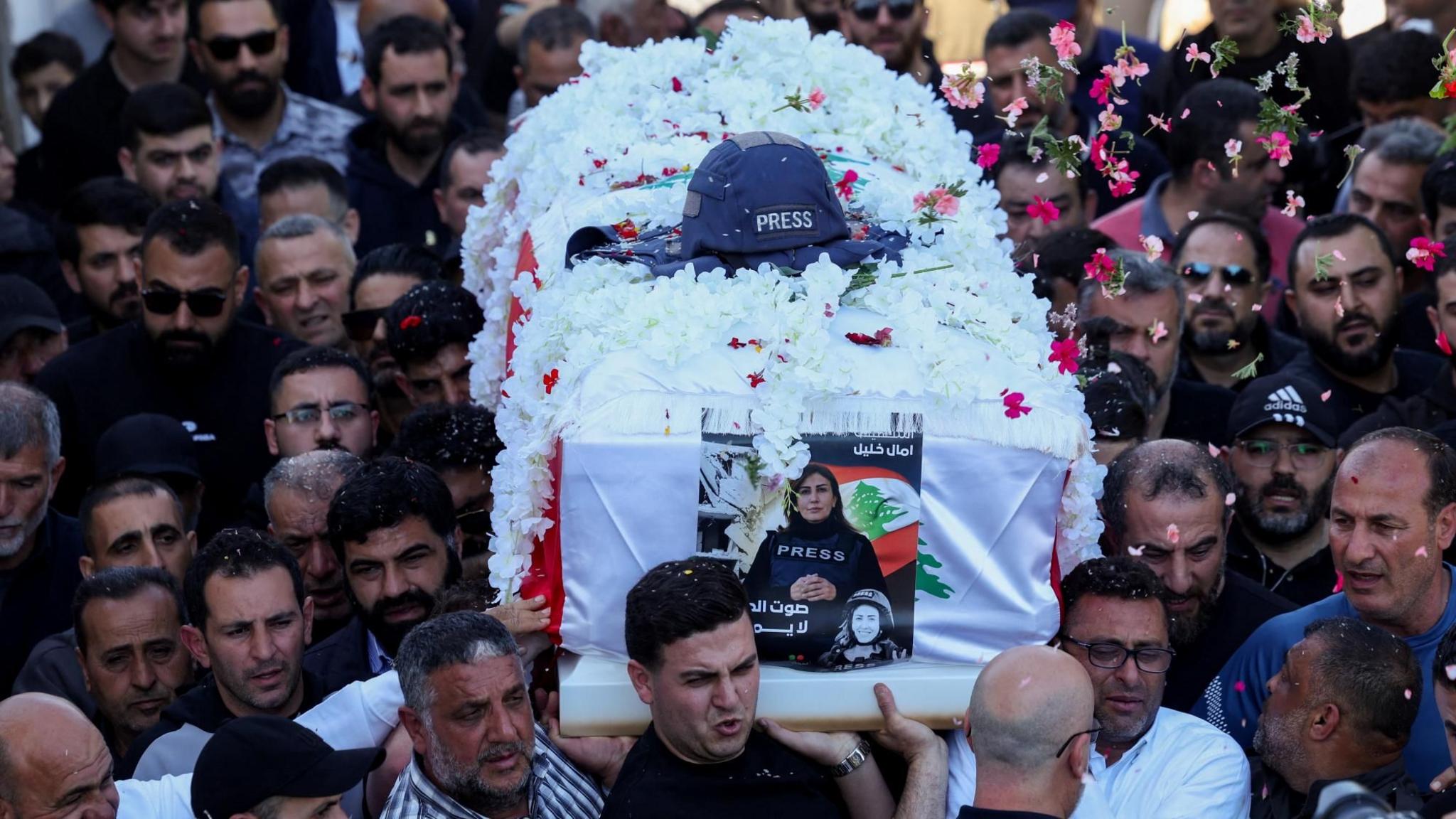
Despite multiple calls from Lebanese authorities and UNIFIL for medical assistance, paramedics were obstructed from reaching Khalil, who died from cardiac arrest due to her injuries. The rights groups are calling for an independent investigation and for Lebanon to accept the jurisdiction of the International Criminal Court.6
The Israeli military, however, maintains that the strikes were aimed at Hezbollah operatives and that they did not target journalists.
“The rights groups' investigation found that Israeli drones hovered close to Khalil and Faraj, and that paramedics were fired upon when trying to reach Khalil, who remained alive for hours. The Israeli military says its preliminary inquiry concluded the strikes targeted Hezbollah operatives, and the incident is under internal review.”
 The Independent



